
Last updated November 24, 2026
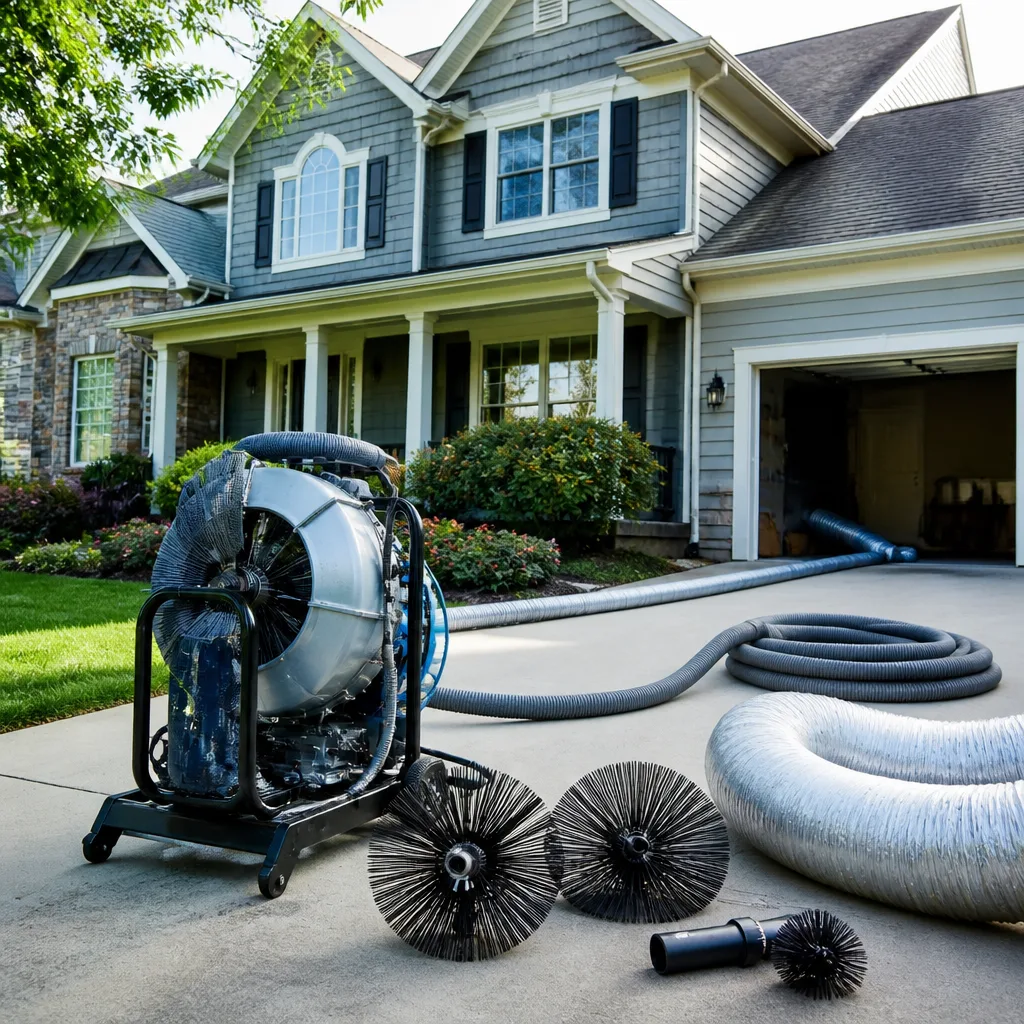 Whole-home duct cleaning
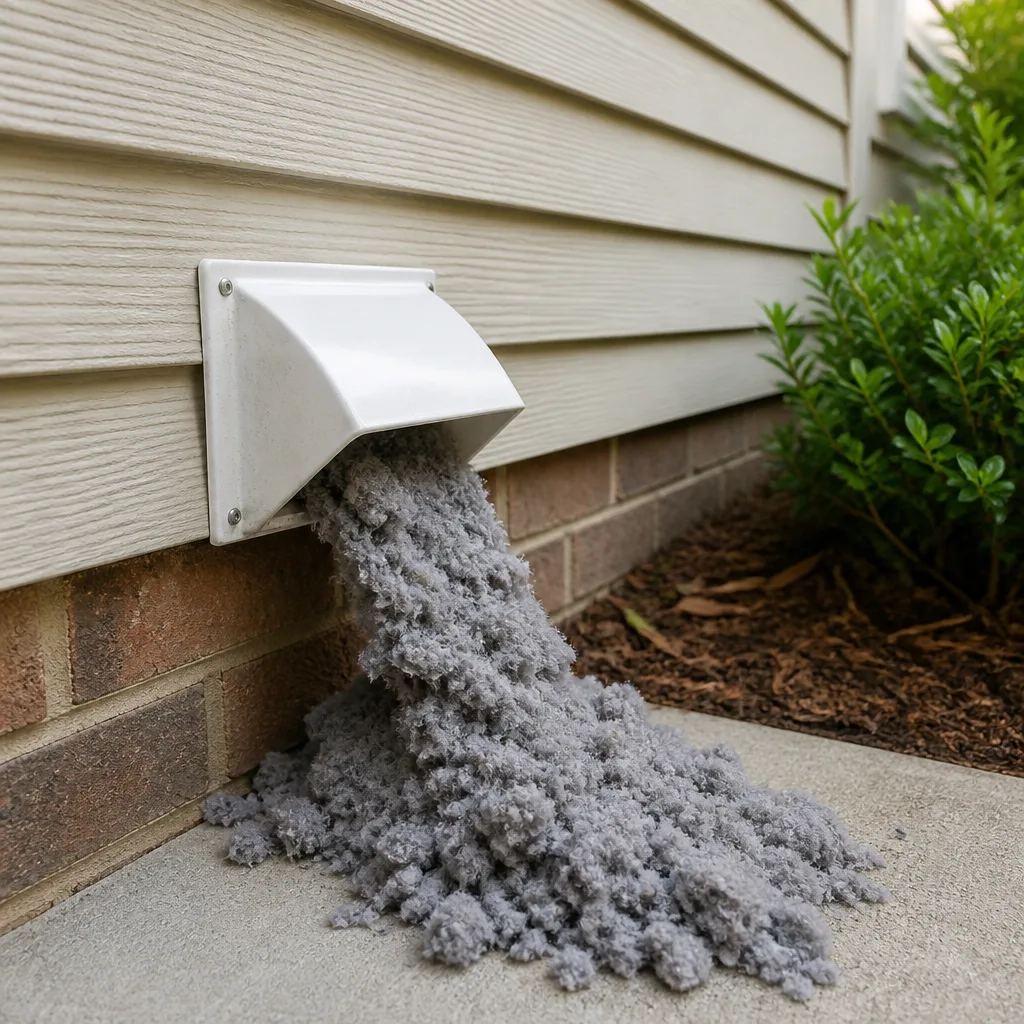 Dryer vent cleaning
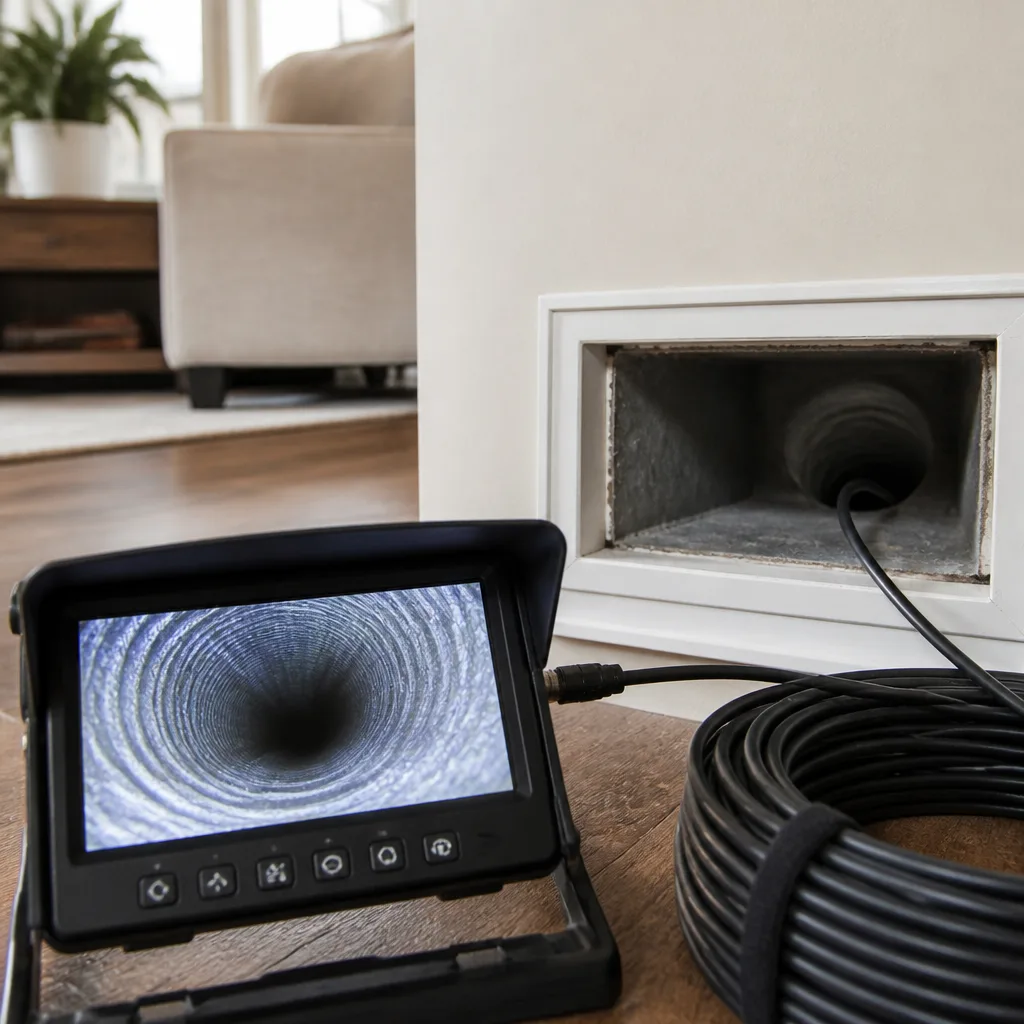 Camera inspection
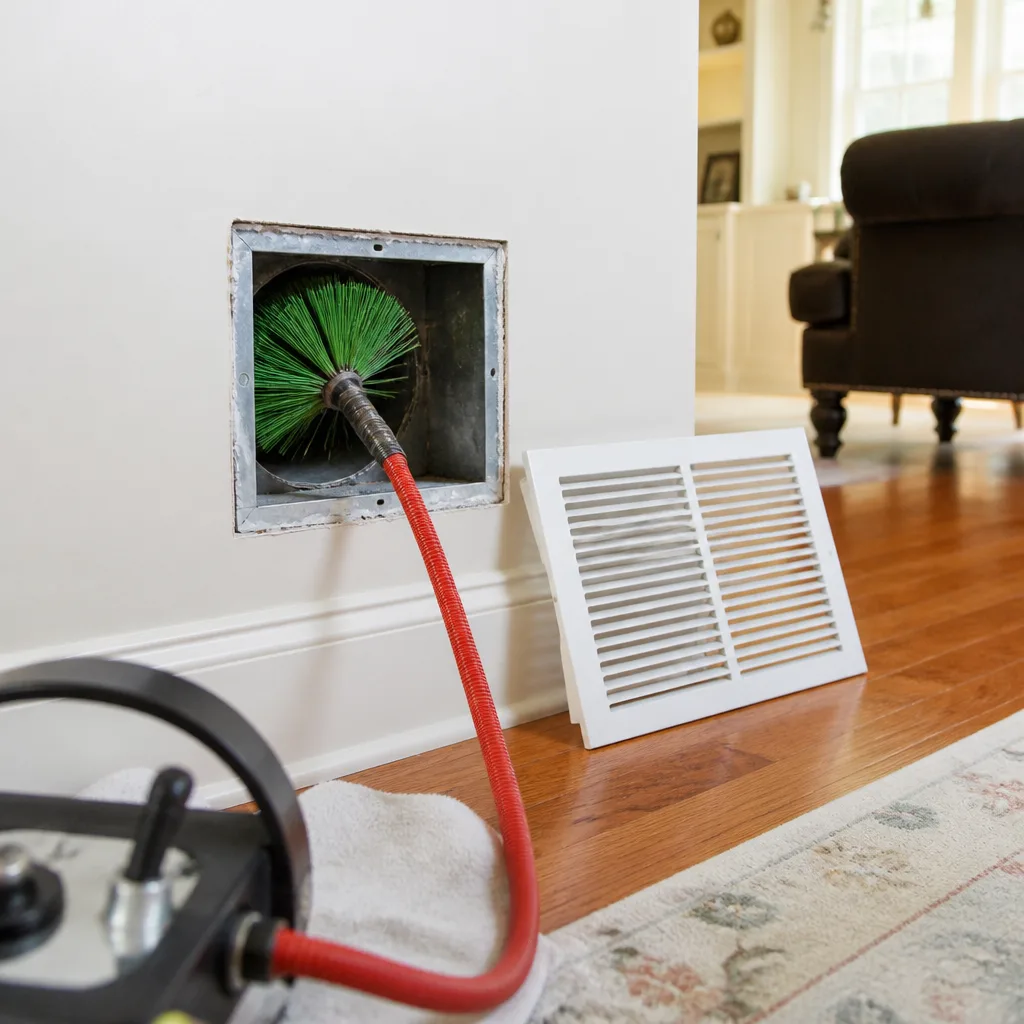 Sanitizing & deodorizing
Whole-system duct and dryer vent check with before-and-after photos - you see exactly what came out of your vents
That "$99 whole-house special" is a bait ad - the real number appears once they are in your hallway, or the "clean" is a shop-vac at the register. We photograph the inside of your ducts before and after instead.
Air Duct Cleaning Maintenance Checklist for Northwood Homeowners
Changing your filter on schedule is not the same as maintaining your duct system. That’s the misconception we run into most often in Northwood: a homeowner points to a fresh filter and assumes the ducts behind it are clean by default. They’re not. A clogged return plenum can defeat a new filter within weeks, pulling air past its edges instead of through the media. What follows is a checklist built around the real contamination timeline of a Northwood home – what accumulates, when, and which homeowner habits slow the process or speed it up.
Quick Answer
Air duct maintenance in Northwood comes down to two separate jobs on two different schedules. Filter changes and visual register checks are homeowner tasks you handle monthly to quarterly; full duct system assessment belongs to a professional and should follow household variables – pets, occupants, renovation history – rather than a blanket calendar interval. Most Northwood homes fall somewhere between an assessment every two years and one every five, with Santa Ana wind events and recent construction pushing you toward the shorter end.
Styles & brands we work with
- Whole-home duct cleaning
- Dryer vent cleaning
- Camera inspection
- Sanitizing & deodorizing
Table of Contents
- Filter Maintenance vs. Duct System Maintenance: What Each One Actually Does
- The Northwood Contamination Timeline: What Accumulates and When
- Five Inspection Checkpoints You Can Do Without Tools
- Northwood Seasonal Triggers: Santa Ana Winds, Construction Seasons, and HVAC Startup
- How Often Does Your Duct System Really Need Professional Attention?
- What a Professional Maintenance Inspection Covers Beyond Cleaning
- Why Containment Matters: Negative Air and the Rotobrush Standard
- Beyond the Ducts: The Rest of the Air Quality Loop
Filter Maintenance vs. Duct System Maintenance: What Each One Actually Does
These two jobs get blurred together constantly, and the blur costs homeowners money. A filter protects the equipment. Duct maintenance protects the air you breathe. They overlap, but neither replaces the other.
A filter is a sacrificial surface. It catches what the return pulls in before that material reaches the blower, the evaporator coil, and the supply plenum. Change it on schedule and you protect the machinery. That’s the whole job. Nothing about a clean filter removes what has already settled on the interior walls of your ductwork, and nothing about it cleans the return plenum – the chamber between the grille and the filter – where debris collects first.
Duct system maintenance is a different animal. It addresses the interior surfaces of the entire distribution network: the return trunk, the supply trunk, the branch runs, the boots, the registers. It also addresses the physical condition of that network, which is where the filter conversation never goes. Ductwork in Northwood homes is typically flex or rigid metal, and both can develop seam separation, disconnected joints, crushed sections, and insulation breakdown over time. A filter can’t tell you any of that. Only an inspection can.
What each one does
- Filter maintenance (DIY): captures incoming particulate, protects blower and coil, cheap and frequent, requires no tools.
- Duct system maintenance (professional): removes accumulated interior contamination, verifies duct integrity, seals compromised joints, checks insulation condition.
- The overlap: a clean system with a neglected filter re-soils fast, and a clean filter on a compromised system wastes its effort pulling unfiltered air through gaps.
Get both right and the system stays stable. Get one right and the other wrong and you’re spending money to move dirty air more efficiently. If you’re not sure which side of the line your home is on, Air Duct Cleaning Northwood can start with an assessment rather than assuming cleaning is the answer.
The Northwood Contamination Timeline: What Accumulates and When
Contamination in a duct system isn’t random. It builds in a predictable order, and knowing that order tells you when to act. Here’s how it plays out in a typical Northwood home.
Months 1-6: the return plenum fills first. The return side runs under negative pressure, so it pulls in everything the filter misses plus whatever enters through gaps at the grille. The return plenum and return trunk always collect before the supply side does. This is the part of the system most homeowners never see.
Months 6-18: settled material migrates to the supply branches. Once the return is loaded, airflow characteristics change and fine particulate starts depositing further downstream. Registers begin showing a dull film. Airflow at distant vents drops slightly – not enough to notice consciously, but enough that the back bedroom feels weaker than the front of the house.
Year 2-4: insulation and joint problems surface. Interior duct liner that has been damp or repeatedly loaded begins to break down. Flex duct at tight bends starts to crush or sag. Seams that were taped at install begin to release. Contamination doesn’t just sit in the system at this stage – it starts coming out through the leaks it helped reveal.
Beyond year 4: compounding. A system that has never been assessed now has interior buildup, compromised joints, and possibly degraded liner all at once. Cleaning alone fixes one of those three.
In Northwood, the timeline compresses whenever ambient particulate spikes – which is why the local triggers matter as much as the calendar. Our technicians have up to 14 years of experience watching this sequence play out, and it rarely skips a stage.
Five Inspection Checkpoints You Can Do Without Tools
You don’t need a gauge or a camera to catch early warning signs. You need ten minutes and attention. These five checkpoints are the ones we recommend to every Northwood homeowner between professional visits.
- Register film check. Remove a supply register grille and look at the interior boot and the first foot of visible duct. A light uniform dust film is normal. A thick, dark, or fuzzy deposit means buildup is well along. Compare three registers – one near the air handler, one far away, one upstairs if you have a second floor.
- Airflow balance observation. Hold a thin tissue against each supply register while the system runs. All registers should hold it with similar force. A distant vent that barely moves the tissue suggests a crushed branch, a disconnected joint, or a partially closed damper – not simply a dirty system.
- Odor timing. Notice when you smell a musty or dusty odor. If it appears the moment the system starts and fades after a few minutes, that’s a system-side issue, likely contamination in the return or the coil. If it’s constant, it probably isn’t the ducts.
- Filter seat inspection. Pull the filter and check whether it sits flush against its frame. Gaps around the edges let unfiltered air bypass the media entirely – a fresh filter doing almost nothing. Look for dust streaks on the housing beside the filter.
- Return grille backside. The side of the return grille facing into the plenum is where contamination shows first. If it’s visibly loaded while the supply registers are still light, the problem is concentrated on the return side.
Any single flag isn’t a verdict. Two or three together is a signal to get the system assessed rather than guessing. A homeowner who can describe these observations to a technician gets a faster, more accurate diagnosis – and avoids paying for a cleaning that wasn’t the real fix.
Northwood Seasonal Triggers: Santa Ana Winds, Construction Seasons, and HVAC Startup
Northwood runs on a mild-winter climate, which changes the maintenance rhythm in ways a cold-climate checklist would get wrong. There’s no long heating season to reset the system. Instead, three local triggers do the resetting.
Santa Ana wind events
When Santa Ana winds push through, airborne particulate load climbs sharply for a stretch of days. Homes pull that material in through every return, and the filter loads faster than usual. After a sustained wind event is a good time to check your filter and look at the return grille backside. It’s also the period when gaps and loose joints along the return side show themselves – wind-driven pressure finds the weak spots.
Construction seasons
Renovation and new construction nearby send fine dust into the air for weeks, and if you’re renovating inside your own home the ducts are the last place that dust settles. Drywall dust is fine enough to pass a standard filter and fine enough to stay suspended. If your household has been through a renovation, treat the system as flagged regardless of when it was last cleaned.
HVAC startup after summer shutoff
When heating season begins, the first run of the system after months of light use moves a season’s worth of settled material. That first-start smell is a useful diagnostic. If it clears within a few minutes, fine. If it lingers, or if it returns every startup, the system has accumulated material it’s pushing back into the rooms. Startup is also the moment to notice reduced airflow, since a season of reduced demand masks it.
Line these three triggers up against your own calendar and you get a practical rhythm: post-wind-event filter checks, post-renovation assessments, and a startup observation each fall. That’s the Northwood version of maintenance.
How Often Does Your Duct System Really Need Professional Attention?
There’s no universal answer, and any company that hands you one without asking about your household is guessing. The honest framework is built on variables.
Assessment frequency by household profile
- Two or more shedding pets: every two to three years. Pet dander and hair load the return side quickly and don’t clear on their own.
- Recent renovation in the home: one assessment immediately after the work concludes, then return to your normal interval.
- Household with allergy or respiratory sensitivity: every two years, with a professional inspection covering duct integrity, not just cleaning.
- New HVAC install: one assessment within the first year, because installs sometimes leave debris, shavings, or disconnected joints behind.
- Typical household, no pets, no renovation: every three to five years, adjusted after the first professional assessment tells you how fast your system loads.
- Older home with original flex duct: every two to three years, since degraded liner and joint failure compound faster than contamination alone.
The first professional assessment is the calibration point. It tells you the actual condition of your system, and that condition – not a generic number – sets your interval going forward. A Northwood home with two dogs and a busy return loads at a completely different rate than a single-occupant home a few streets away. Treating those two the same is how homeowners end up either overpaying for unnecessary cleanings or waiting years too long.
What a Professional Maintenance Inspection Covers Beyond Cleaning
Cleaning is one output of an inspection, and not always the right one. A proper duct maintenance visit is an assessment of system condition first, with cleaning as one of several possible actions. Here’s what it should cover.
Duct integrity
Every accessible joint, seam, and connection gets checked. Disconnected flex runs, separated trunk sections, and gaps at boots are common findings and each one lets unfiltered air into the system. A cleaning without a joint check leaves those gaps to re-contaminate the system within weeks.
Seal condition
Tape and mastic fail with age. Sealing is a separate task from cleaning, and a professional visit that finds compromised seals should be able to repair them then and there. This is why HVAC cleaning and duct work belong to the same visit – splitting them across two contractors means the second one has to re-inspect what the first one already opened up.
Insulation degradation
Interior duct liner and exterior wrap both break down. Liner degradation is the one that matters most for air quality, because failing liner sheds fibers into the airstream. An inspection that doesn’t look at liner condition is looking at half the system.
Airflow and static pressure
Measurement of airflow at the registers and pressure at the air handler tells a technician whether the system is moving the air it was designed to move. Restricted airflow from crushed duct or excessive buildup shows up here before it shows up as a comfort complaint.
An inspection that only reports “your ducts are dirty” isn’t an inspection. It’s a sales pitch. Ask what condition the joints, seals, and liner are in – a professional answers that without hesitation.
Why Containment Matters: Negative Air and the Rotobrush Standard
The single biggest mistake in duct cleaning is releasing contamination into the home while you’re supposed to be removing it. A shop vac or a portable blower attached to a register agitates settled material and sends a share of it into the living space. That’s not cleaning. That’s redistribution.
Professional work uses negative air containment. Abatement Technologies negative-air equipment holds the work area under pressure so dislodged material is captured and removed rather than recirculated. Combined with a rotary brush system like Rotobrush or a Nikro vacuum, the interior surfaces get agitated, the contamination gets pulled, and the home stays out of the path. This is why we treat containment as the standard rather than an add-on. air duct cleaning done without it defeats its own purpose.
What a professional cleaning actually involves
- Containment setup: negative-air equipment places the work zone under pressure before any brush touches the system.
- Register and boot access: each register is opened and the boot and first section cleared.
- Rotary brush through the runs: the brush agitates interior surfaces through the full length of each branch, trunk, and return.
- High-volume extraction: a Nikro-class vacuum pulls the loosened material into a sealed collection.
- Coil and air handler check: the evaporator coil and blower are inspected and cleared if accessible.
- Post-clean verification: before and after photos of the actual ducts in your home, so you can see the result rather than take it on faith.
The equipment matters because the process depends on it. Consumer-grade tools can’t reach the interior of a supply trunk. Professional rotary and negative-air systems can.
Beyond the Ducts: The Rest of the Air Quality Loop
The ducts are the distribution system, not the whole loop. Two other components belong on your maintenance checklist because they affect what the ducts deliver.
Dryer vent
Lint accumulation in a dryer vent restricts airflow and creates a fire hazard that has nothing to do with ductwork but everything to do with household safety. This is a separate service on its own schedule – typically annual – and it’s easy to forget because the dryer keeps working until it doesn’t. dryer vent cleaning is the piece of maintenance that gets skipped most often.
Whole-home air quality equipment
If your home runs a whole-home filtration, humidification, or purification system, that equipment has its own maintenance needs. We work with Aprilaire and Honeywell product lines regularly and know what to check on each. A whole-home media filter, for example, has a different change interval than a standard 1-inch filter, and a humidifier has a pad and a water panel that need attention. Miss those and the system stops performing the way it was designed to.
Sanitizing
Cleaning removes what’s there. Sanitizing is a separate treatment applied after cleaning to reduce microbial load on interior surfaces, and it’s a reasonable step after a renovation, after a moisture event, or when odor persists post-cleaning. Guardsman-grade treatments are available as part of the air quality and sanitizing service if the inspection points that direction.
The point of covering all five services under one company is that you don’t have to coordinate a duct crew, a vent crew, and an air quality specialist. One visit, one assessment, one plan.
Common Mistakes to Avoid
- Assuming a fresh filter means clean ducts. Filters protect the equipment, not the interior surfaces of the ductwork. A Northwood home can have a perfectly maintained filter and a return plenum that hasn’t been touched in years.
- Cleaning without checking seals and joints. Cleaning a system with disconnected or failed joints is a temporary fix. The gaps re-contaminate the system within weeks and you’ve paid for a result that doesn’t hold.
- Ignoring the return side. The return plenum and trunk always load first. A cleaning that focuses on supply registers and skips the return is cleaning the wrong half.
- Cleaning after a renovation without inspecting liner. Drywall dust is fine enough to lodge in degraded interior liner and stay put. Cleaning the duct without assessing the liner leaves that material in place.
- Waiting for a visible problem. By the time dust is coming out of a register, the system has been loaded for a while. Checking the return grille backside catches it earlier.
- Treating service intervals as universal. A two-pet household in Northwood with flex duct loads at a completely different rate than a single-occupant home. Blanket intervals waste money at one end and leave buildup at the other.
- Accepting a cleaning without before-and-after photos of your own ducts. Photos of your system, not a stock image, are the only way to verify the work happened and happened where it needed to.
See the difference
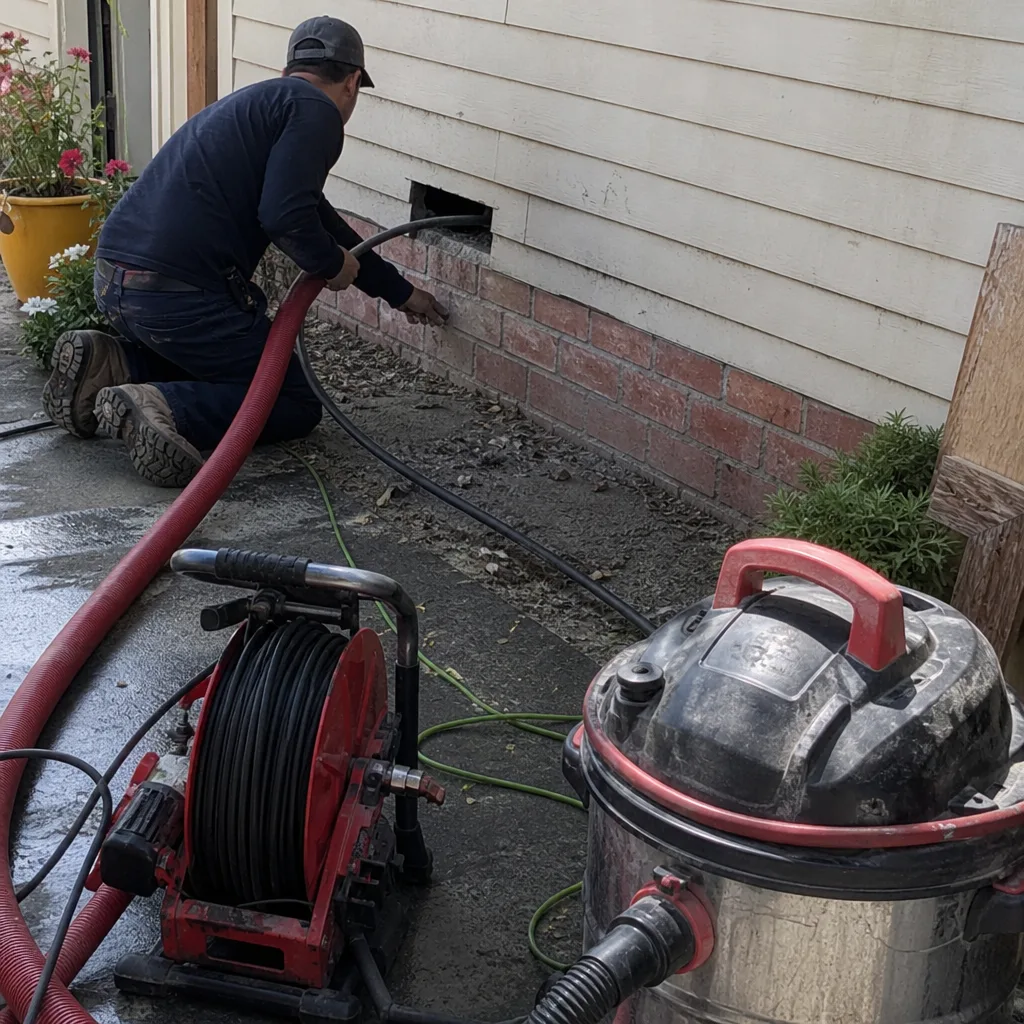 Before
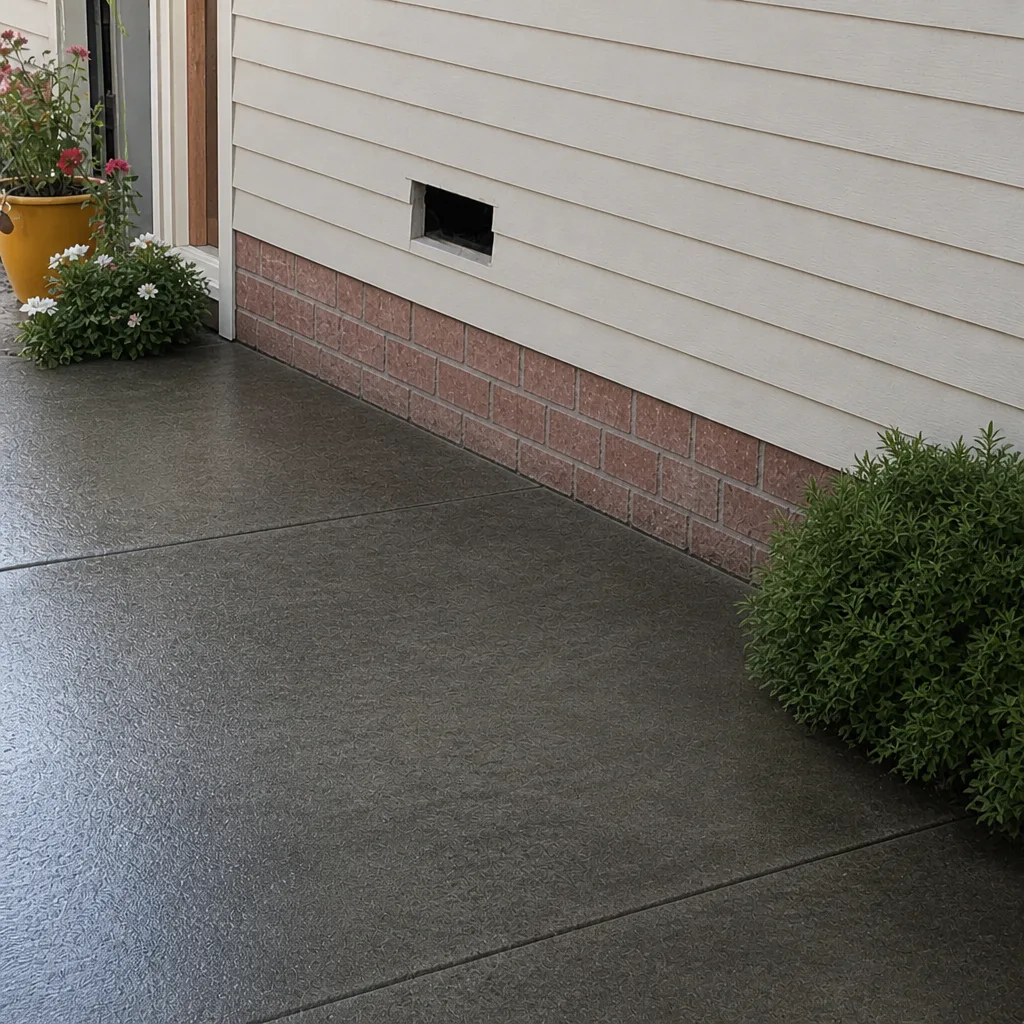 After
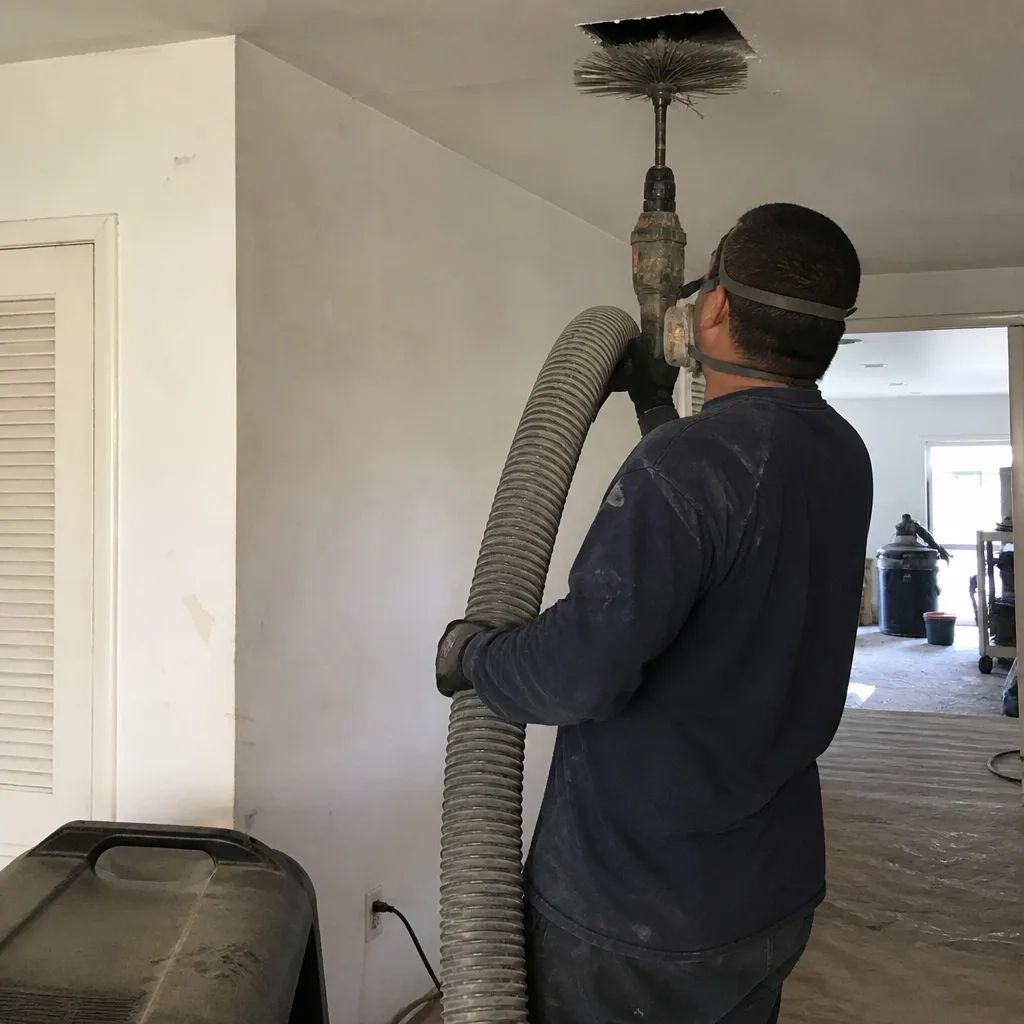 Before
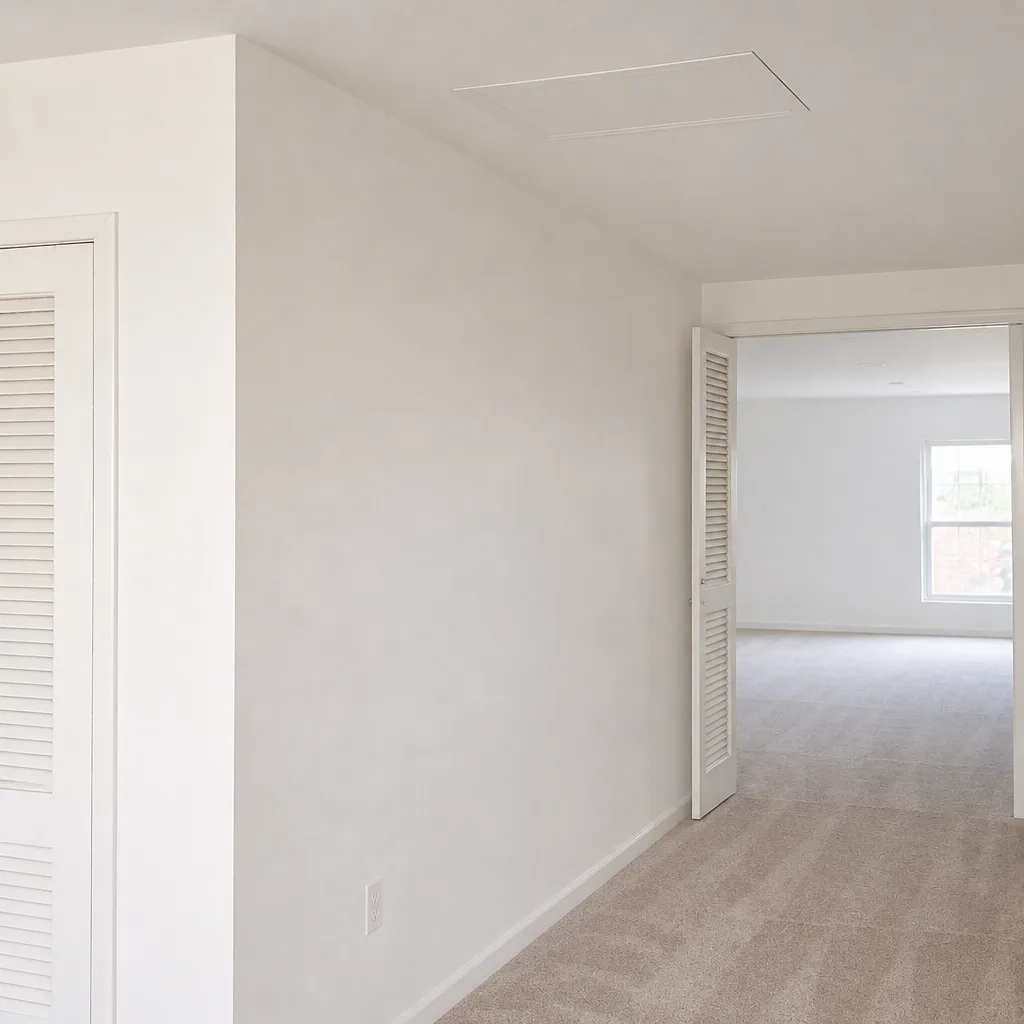 After
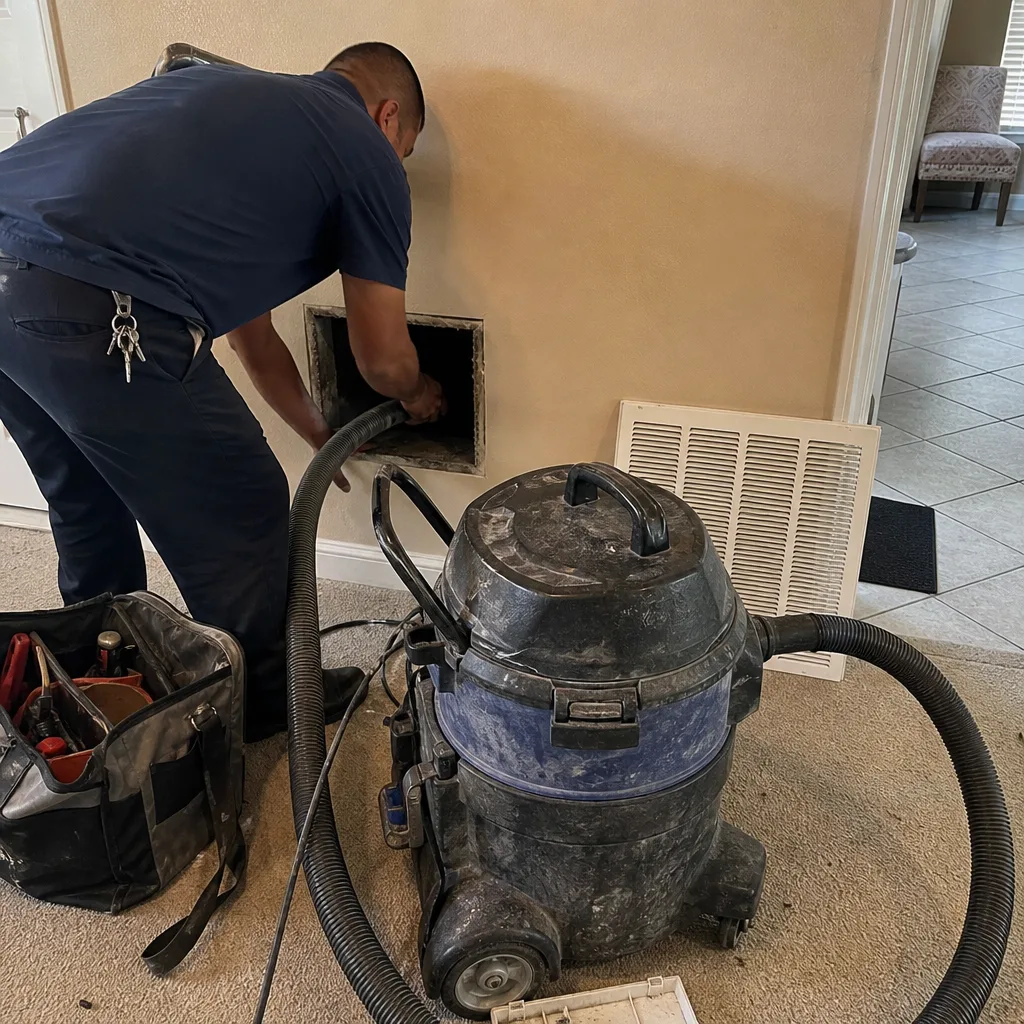 Before
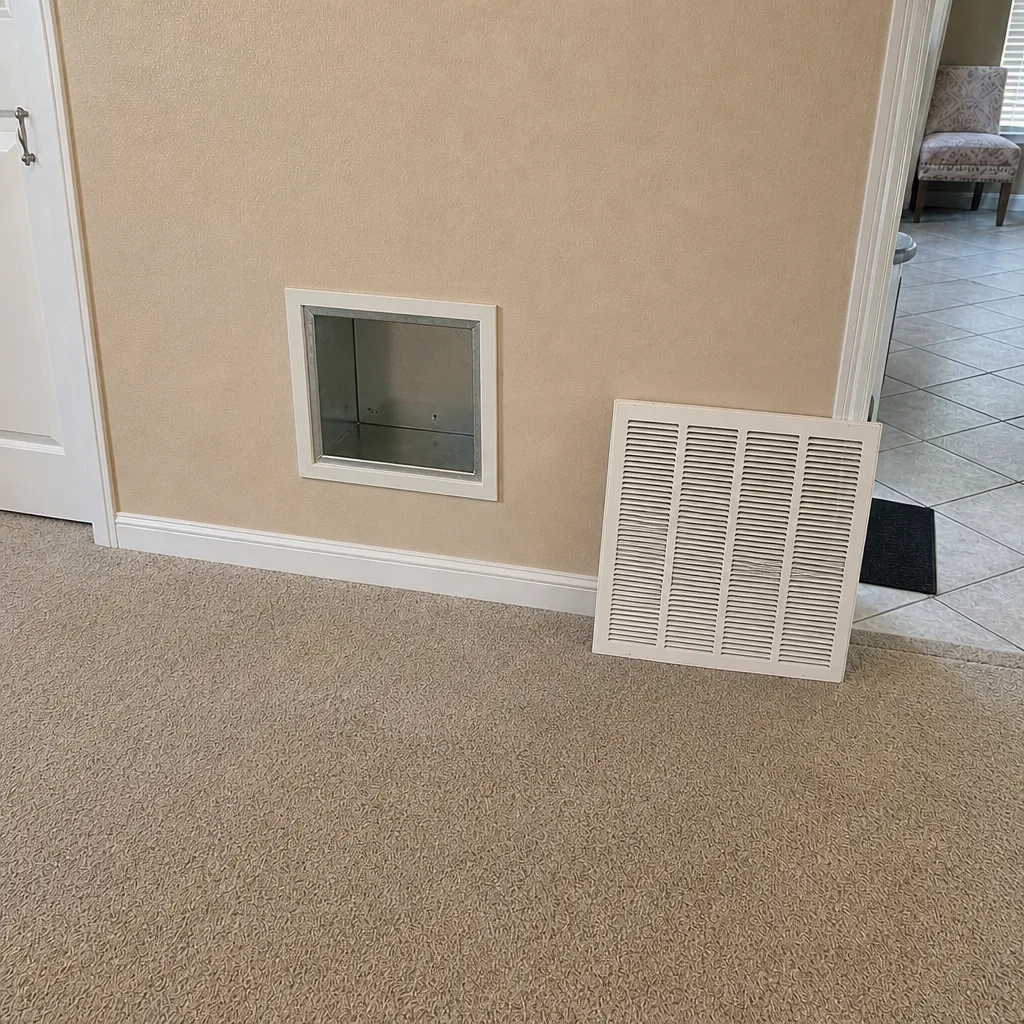 After
When to Call a Professional
Some situations call for an assessment rather than a filter change. Persistent odor at system startup, visible dust discharge from a register, reduced airflow at distant vents that isn’t explained by a closed damper, a recent renovation, a new HVAC install, or a home that hasn’t had the ducts assessed in several years – any of these is a signal. Multiple together is a stronger one. Air Duct Cleaning Northwood offers free estimates in Northwood – call (866) 947-9073. We answer 24/7. Fast dispatch from 7am to 7pm, Sunday through Friday. One flat price per system agreed before work starts, and before-and-after photos of your own ducts when the job is done.
Frequently Asked Questions
Air duct cleaning in Northwood is priced per system, not per vent, with a written estimate setting the final number before any work begins. Whole-system ranges depend on the size of the home, the number of runs, and whether duct repair or sealing is needed alongside the cleaning. Call (866) 947-9073 for an exact quote – estimates are free.
Cheap quotes usually skip containment, clean only the registers, or price per vent to keep the headline number low before adding charges on site. Professional work includes negative-air containment, rotary brush cleaning through the full run, and a joint and liner check. Ask what equipment a company uses before you compare prices. Call (866) 947-9073 to talk through what a proper job includes.
Before-and-after photos of your own ducts are the verification standard, not a stock image or a verbal assurance. Ask for photos of the return plenum, at least one supply branch, and the air handler before and after. Call (866) 947-9073 to schedule an assessment.
Most Northwood homes fall between an assessment every two years and one every five, adjusted for pets, occupants, renovation history, and duct material. Santa Ana wind events and recent construction push toward the shorter end. A first professional assessment is what sets the right interval for your specific home. Call (866) 947-9073 to book one.
Yes, because filter changes and duct maintenance address different parts of the system. A filter protects the blower and coil; it doesn’t clean the return plenum or the interior surfaces of the distribution network. A home with perfect filter habits can still have a loaded return side. Call (866) 947-9073 to find out what condition your system is actually in.
A proper inspection checks duct integrity at every accessible joint, seal condition, interior liner degradation, and airflow and static pressure at the air handler. Cleaning is one possible outcome, not always the only one. We can repair and seal compromised ductwork on the same visit rather than leaving gaps that undo the cleaning. Call (866) 947-9073 for a free estimate.
The Bottom Line
Duct maintenance in Northwood is a two-track job: filters and visual checks on your schedule, professional assessment on your household’s schedule. The contamination timeline is predictable – return side first, supply branches next, joints and liner after that – and the local triggers of Santa Ana winds, construction seasons, and fall HVAC startup are what tell you when to act. A proper inspection covers integrity, seals, and liner, not just cleaning. And a cleaning without containment and before-and-after verification of your own ducts is a promise, not a result. Get both tracks right and the system stays stable for years.
Call (866) 947-9073 for a free estimate. We answer 24/7. Fast dispatch from 7am to 7pm, Sunday through Friday. One flat price per system agreed before work starts.
Written by the team at Air Duct Cleaning Northwood.