
Last updated November 24, 2026
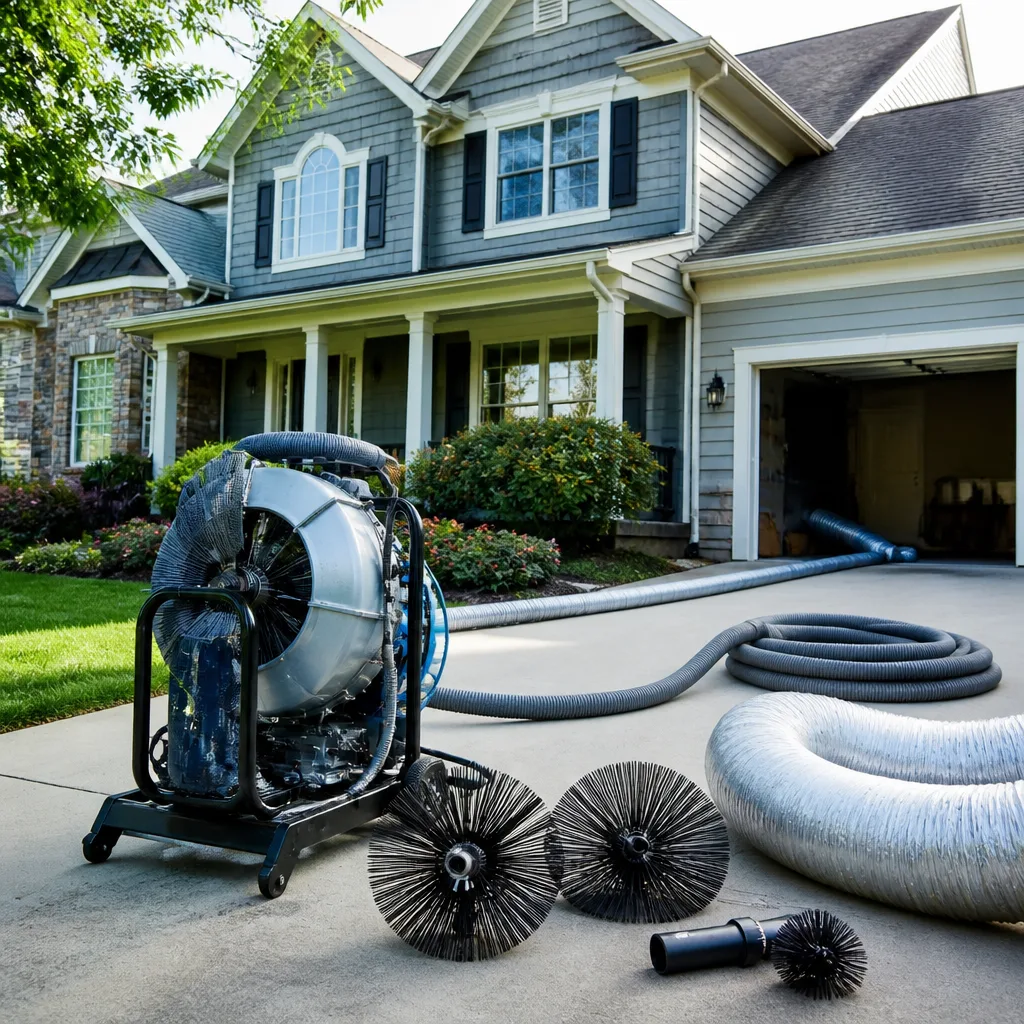 Whole-home duct cleaning
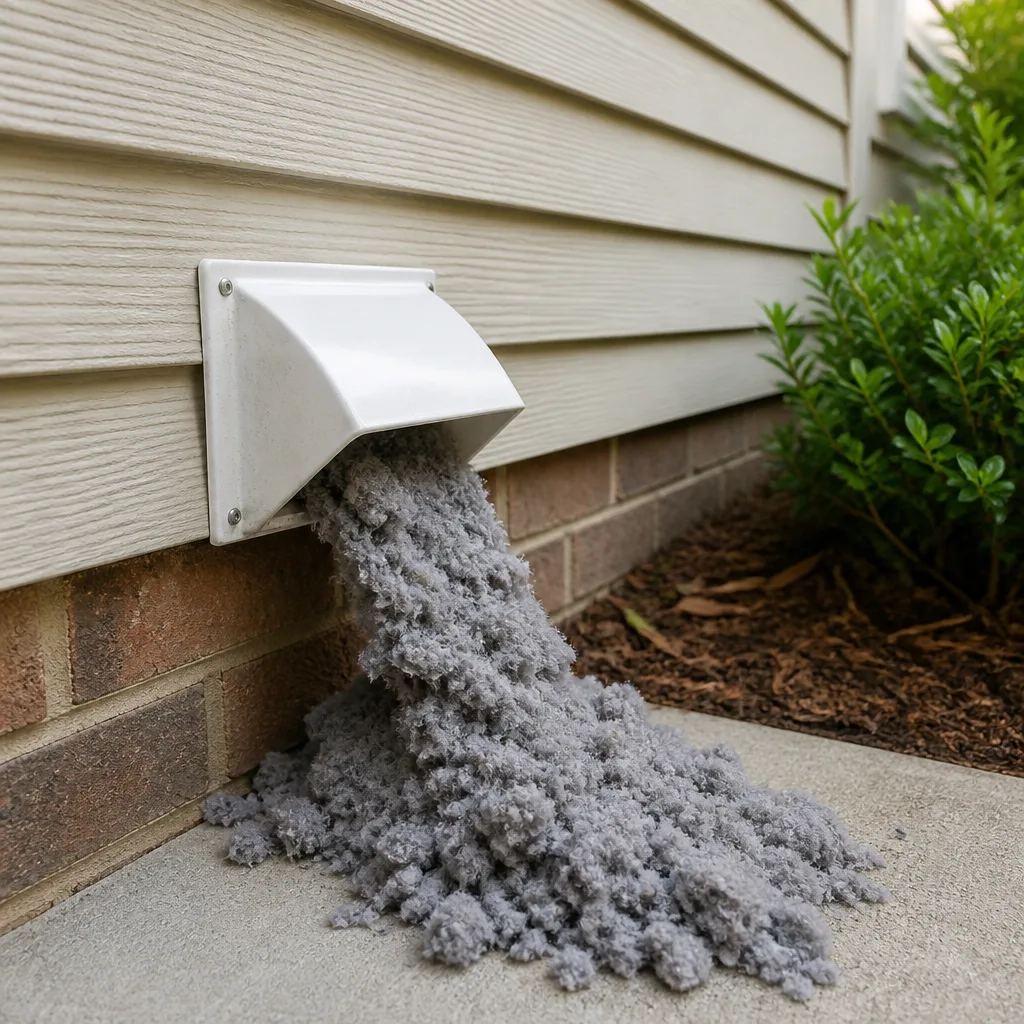 Dryer vent cleaning
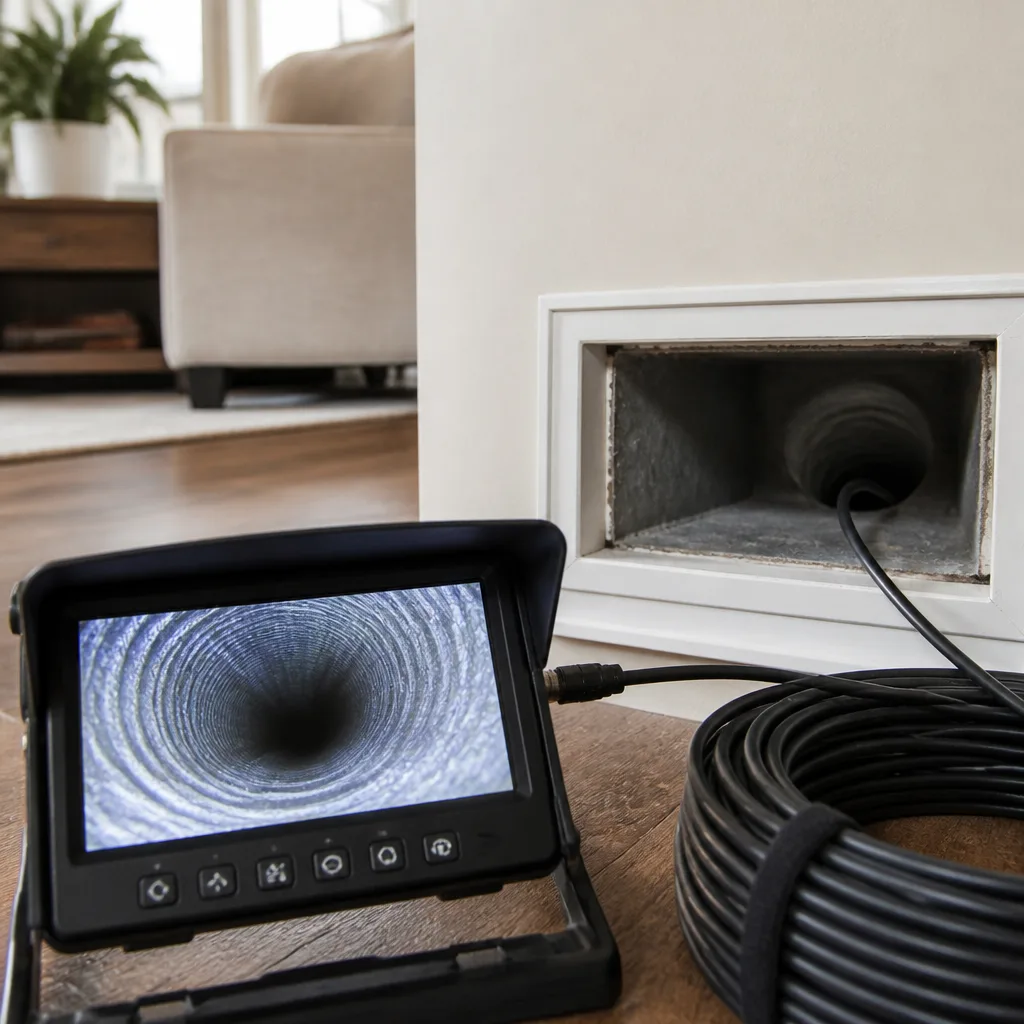 Camera inspection
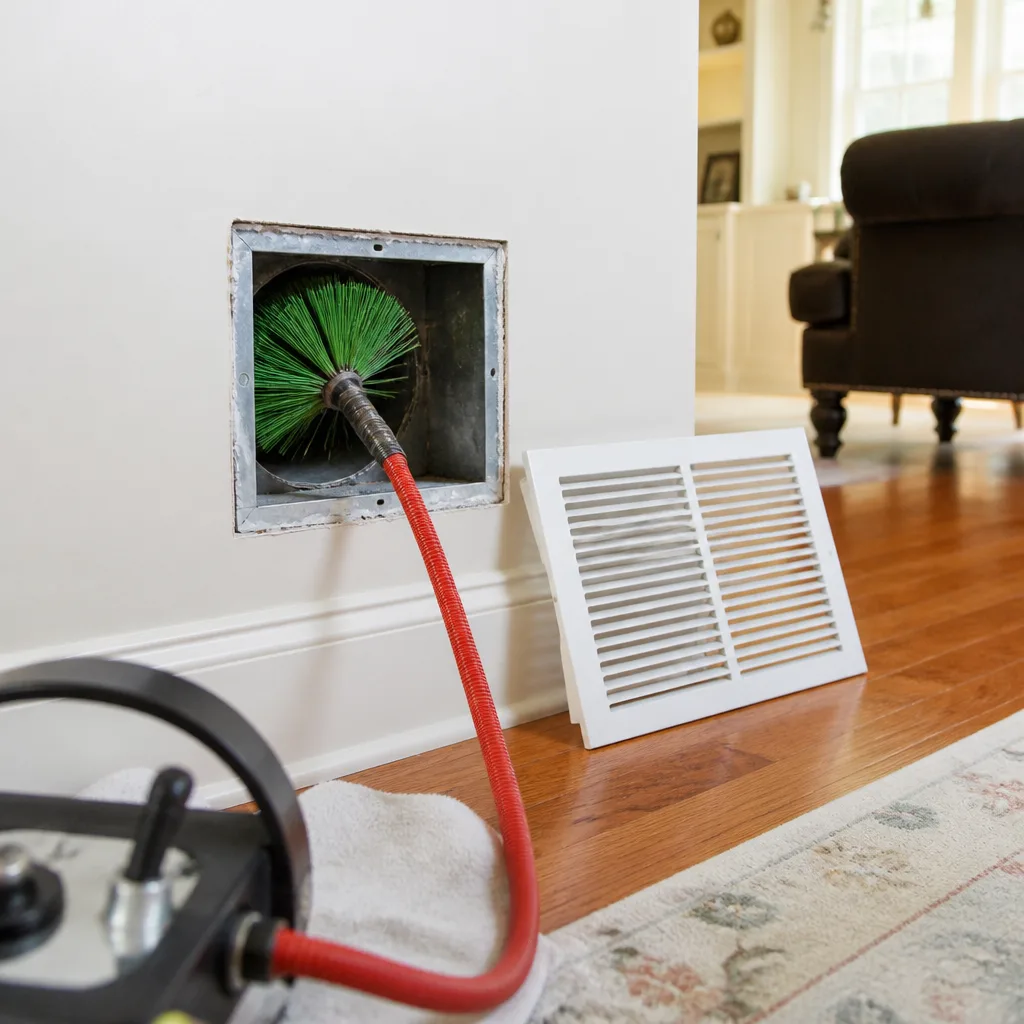 Sanitizing & deodorizing
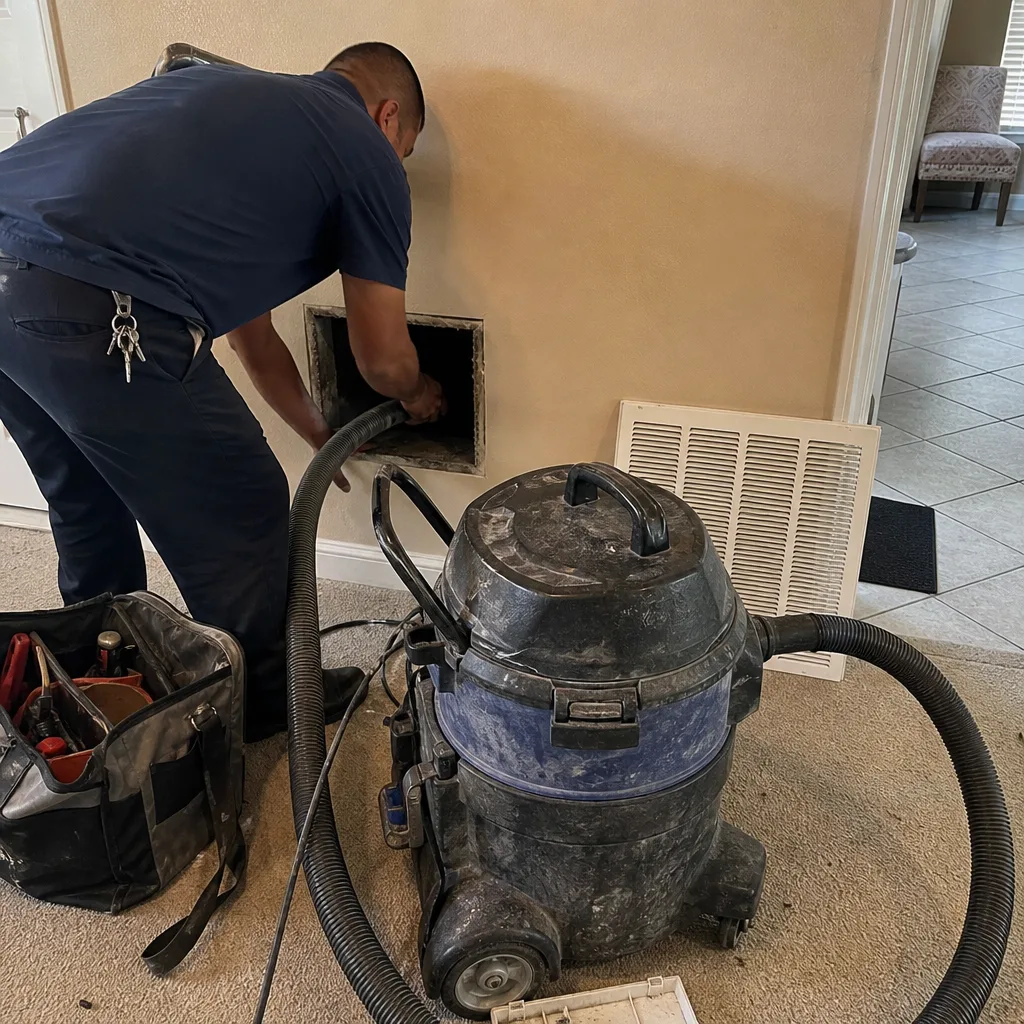
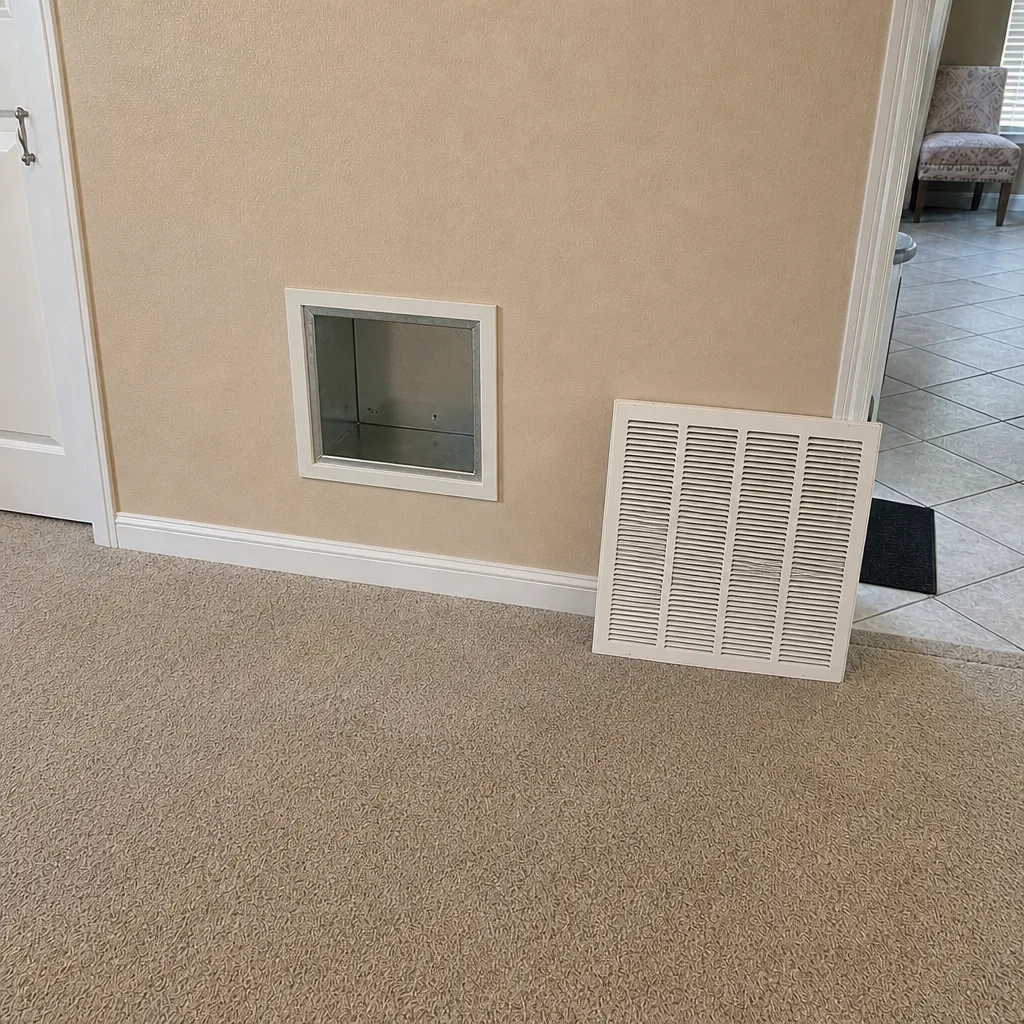
Whole-system duct and dryer vent check with before-and-after photos - you see exactly what came out of your vents
That "$99 whole-house special" is a bait ad - the real number appears once they are in your hallway, or the "clean" is a shop-vac at the register. We photograph the inside of your ducts before and after instead.
DIY vs Professional Air Duct Cleaning: The Northwood Homeowner’s Decision Guide
A shop-vac and a dryer vent brush can clean a register and a few inches of duct. The remaining 90% of the system’s surface area and the air handler are physically unreachable with consumer tools. That’s not a sales line, it’s geometry. Most Northwood homeowners who go the DIY route don’t fail because they lack effort. They fail because the tools they’re holding can’t reach the part of the system that’s actually collecting debris. This guide explains the physics behind that gap, what a weekend of DIY work genuinely accomplishes, where it can make things worse on the older flex systems common in this area, and how to build a maintenance routine that’s honest about what each approach can and can’t do.
Quick Answer
DIY air duct cleaning can handle surface-level register cleaning and visible debris near openings, but it cannot reach the plenum, air handler, or return trunk lines where most contamination settles. Professional cleaning uses negative-pressure containment and rotary agitation to dislodge and capture debris from the full system, which is the only way to actually remove contamination rather than redistribute it. For most Northwood homes that haven’t had a cleaning in several years, or that have had a renovation, water event, or recent HVAC install, professional service is the realistic choice.
Styles & brands we work with
- Whole-home duct cleaning
- Dryer vent cleaning
- Camera inspection
- Sanitizing & deodorizing
Table of Contents
- Why Negative Pressure Extraction Works When Suction Alone Doesn’t
- What DIY Duct Cleaning Actually Accomplishes
- The Parts of a Duct System DIY Tools Can’t Reach
- The Risk to Older Flex Duct in Northwood Homes
- Where DIY Maintenance Genuinely Helps
- A Decision Tree: When DIY Is Enough and When It Isn’t
- What a Professional Cleaning in Northwood Actually Involves
- Why Equipment Grade Matters: Rotobrush, Nikro, and Containment
Why Negative Pressure Extraction Works When Suction Alone Doesn’t
If you’ve ever tried to vacuum the last few Cheerios out of the bottom of a cereal box, you already understand the problem with duct cleaning. Suction through a small opening pulls from directly in front of it. Debris stuck to the walls a few feet down the run doesn’t budge, because the air velocity at that distance drops off fast. Ducts are long, narrow tubes with ridges, elbows, and joints. Suction at one end barely touches the walls at the other.
Professional duct cleaning solves this by combining three things at once:
- Negative pressure at the system level. A high-volume vacuum unit pulls the entire duct run into a pressure state where anything that comes loose gets carried toward the collection point rather than drifting into the room.
- Mechanical agitation. Rotary brush systems like Rotobrush physically break the bond between debris and the duct wall, and they do it along the length of the run, not just at the opening.
- Containment. Abatement Technologies negative-air equipment holds the surrounding space under slight negative pressure so dislodged particles are captured rather than released into the breathing zone of the home during the job.
All three have to work together. Agitation without containment stirs up dust into the home. Suction without agitation leaves the walls coated. Containment without extraction just traps dirt in a small area. This is the real difference between a shop-vac and a professional system, and it’s the difference Northwood homeowners feel most clearly in the first hour after a cleaning: a properly run professional job leaves the air in the house noticeably clearer, while a poorly done DIY attempt often leaves it dustier for a day or two.
What DIY Duct Cleaning Actually Accomplishes
Be honest about the scope. A homeowner with a shop-vac, a brush kit, and a Saturday afternoon can realistically do three things well:
- Pull the grille and vacuum the inside of the register boot – the first few inches of duct right behind the wall or floor opening.
- Wipe down visible dust around the register frame and the surrounding trim.
- Clear obvious debris (pet hair, drywall dust from a recent patch, construction grit) from the immediate opening.
What that work achieves is real, just narrow. It reduces the amount of debris sitting in the part of the system you can see, and it stops loose material from getting sucked into the air stream every time the system kicks on. For a home in good shape with a recently cleaned system, that kind of touch-up can be useful between professional visits.
What it doesn’t achieve is any meaningful change to the interior of the trunk lines, the return plenum, the supply runs downstream of that first elbow, or the air handler cabinet. In our experience, most of the dust that actually circulates through a Northwood home is sitting in exactly those areas. The registers are what you can see. The air handler is what you breathe.
The Parts of a Duct System DIY Tools Can’t Reach
Walk through any Northwood home and you’ll find the same layout in broad strokes: a central supply and return duct system, a furnace or air handler tucked into a closet or attic, and a network of flex or rigid runs feeding rooms through floor or ceiling registers. The parts you can reach with a household vacuum are a small fraction of that total surface area.
Here’s the honest breakdown of what’s reachable and what isn’t:
- Reachable by DIY: register grilles, the first few inches of duct behind each register, the exterior of the air handler cabinet, and visible dust on the ceiling or floor around the openings.
- Not reachable by DIY: the return plenum (the large sheet-metal box that feeds the air handler), the inside of the air handler cabinet and the evaporator coil face, the main supply and return trunk lines, all flex or rigid runs past the first elbow, and the interior of the boot fittings where dust tends to collect against the wall cavity.
The plenum alone holds a significant share of the surface area. It’s a large volume of sheet metal, often coated with dust and debris that’s been collecting for years, and it feeds directly into the air handler. A shop vac can’t physically get there. A professional system with the right attachments runs the length of every branch and then pulls the loose material back to a collection point outside the home.
If you want to know what the inside of your own ducts looks like before you decide, a simple before-and-after photo request is a fair ask – any professional cleaning should be willing to show you the duct interior from both ends of the job.
The Risk to Older Flex Duct in Northwood Homes
Many Northwood homes built in the last few decades use flex duct rather than rigid sheet metal for at least some of the distribution runs. Flex duct is a spiral-wire core wrapped in insulation and an outer jacket. It works fine, but it’s not built for rough handling from the inside.
Consumer duct brush kits are usually designed for rigid duct, and they can cause three specific kinds of damage on flex:
- Punctures to the vapor barrier. A brush tip that snags on a joint or wire can tear the outer jacket, opening a spot where the duct loses its insulation value and starts pulling in attic or crawlspace air.
- Insulation disturbance. If the inner liner separates from the insulation, the fiberglass batting can collapse into the air stream. That’s a problem you didn’t have before.
- Debris dislodged deeper into the system. Pushing a brush into a run without proper extraction behind it can push accumulated dust past the joint and down into a section you can’t reach. Suddenly the dust you loosened is in the air handler instead of the register.
We’ve seen all three of these results in Northwood homes, and they’re expensive to undo. Repair and sealing exist as a service for exactly this reason, but the cheaper path is not to cause the problem in the first place. If you’re not sure what your duct material is, pull a register and look. Flex duct has a visible spiral wire. Rigid sheet metal doesn’t.
Where DIY Maintenance Genuinely Helps
This isn’t an argument against doing anything yourself. There’s a real, useful DIY maintenance routine that extends the interval between professional cleanings, and it’s worth building into your seasonal habits. It looks like this:
- Upgrade the filter. A MERV 11 or MERV 13 filter (depending on what your system was rated for) catches more of the fines that would otherwise settle into the duct walls. Check your system’s rating before going up – too high a MERV on some air handlers can strain the blower. Look at Aprilaire or Honeywell whole-home filter cabinets if you’re considering a permanent upgrade over the standard 1-inch slot.
- Clean the registers monthly. Pull the grille, wipe the frame, vacuum inside the boot. It’s five minutes per register and it’s the single highest-value DIY habit you can build.
- Watch the airflow. Note which rooms feel weaker than others. A register that’s noticeably low on airflow is either a damper issue, a crushed flex run, or a blockage. Catching it early is far cheaper than finding it after a system-level failure.
- Keep the air handler cabinet clean on the outside. A quick wipe-down prevents dust from being drawn into the return plenum through a loose panel gasket.
- Check the dryer vent run. Lint buildup is its own fire risk, and it’s a separate system from your HVAC ducting. Our dryer vent cleaning service handles the full run including the exterior cap; a DIY check of the visible lint trap and short interior run is still worth doing monthly.
Done consistently, that routine extends the system’s practical life and keeps the interval between professional cleanings honest. It does not replace a professional cleaning. Think of it the same way you’d think of changing oil: necessary, but not the same as an engine flush.
A Decision Tree: When DIY Is Enough and When It Isn’t
The right answer depends on three things: the age and condition of the system, the type of contamination, and whether there’s been a triggering event. Use this to sort your own situation.
- System under five years old, clean air, no events. DIY maintenance is genuinely enough. Monthly register cleaning, filter changes, and an annual filter cabinet check will do more for the system than a professional cleaning would.
- System 5 to 10 years old, no renovation, no water events, no significant allergy concerns. DIY maintenance keeps the system healthy, and a professional cleaning every 5 to 7 years is a reasonable schedule. The interval shifts shorter if you have pets or if someone in the home is sensitive to dust.
- System over 10 years old, or unknown cleaning history. Professional cleaning is the right call. The contamination in the plenum and the air handler is beyond what a shop vac can address, and the difference in air quality after a proper cleaning is hard to miss.
- Recent renovation (drywall dust, sawdust, insulation work). Professional cleaning, ideally once the construction work is finished. Drywall dust is fine, gypsum-based, and coats everything. Once it’s in the duct walls it stays there without mechanical agitation.
- Recent water intrusion or a musty smell from registers. Professional cleaning with an air quality and sanitizing follow-up. Moisture in a duct system almost always means microbial growth, and that’s a system-level problem, not a surface problem.
- Recent HVAC install or replacement. A short professional cleaning right after the install catches the construction debris the installer’s cardboard shields didn’t. Many contractors do a light sweep of the plenum; very few run the full system.
- Wildfire smoke exposure, even from a distance. Professional cleaning plus a filter upgrade. Smoke particles are small enough to travel through standard filters and settle deep in the duct walls. Northwood gets wildfire smoke drift from regional fires most years, and even a moderate smoke event leaves measurable residue in duct systems.
- Allergies, asthma, or a family member with a diagnosed respiratory condition. Professional cleaning with a documented before-and-after assessment is worth prioritizing. If the source of the irritation is measurable in the ductwork, it pays to know that.
If you’ve read this far and you’re leaning toward professional, a free estimate is the natural next step. It’s also the step that resolves the “is this really necessary?” question in your specific case. Our air duct cleaning service is built around a full pre-clean inspection, so if the system turns out to be in better shape than you expected, you’ll hear that too.
What a Professional Cleaning in Northwood Actually Involves
If you’ve never watched a professional duct cleaning, the process is worth understanding before you hire anyone, so you know what you’re paying for and what to insist on. Here’s what a properly run job looks like.
- Inspection first. The technician pulls register covers on a representative sample, checks the air handler, and if there’s a camera available, looks at the plenum and main trunk to gauge how much contamination is present. Any quote given without this step is a guess.
- Containment setup. The work area around the registers and the air handler gets covered, and a HEPA negative-air unit is set up to keep the surrounding space under slight negative pressure. Abatement Technologies equipment is the standard for this, and it’s the reason dust from the duct interior doesn’t end up on your furniture.
- System-level vacuum connection. A high-volume vacuum connects to the main trunk or plenum, pulling the entire system into negative pressure before any agitation begins.
- Mechanical agitation run. Rotary brush or air-whip tools run the length of each branch, starting at the register and working back toward the main trunk. Every branch gets done, not just the visible ones.
- Air handler and coil cleaning. The air handler cabinet, blower wheel, and coil face get cleaned as part of the job. This is HVAC cleaning work integrated with the duct cleaning, not a separate stop. Our HVAC cleaning service covers this specific piece for homeowners who want it standalone.
- Repair and sealing during the visit. Any compromised flex runs, missing register boots, torn jacket sections, or unsealed plenum joints get fixed on the same visit. This is the step most companies leave for a second appointment, and it’s the step that determines whether the cleaning lasts. A cleaning with an open boot nearby is a cleaning that erases itself.
- Before-and-after documentation. Photo comparison of the register boots, the plenum interior, and the air handler coil. If a company doesn’t offer this, ask for it. Any professional operation expects the question.
- Optional sanitizing. If there was moisture, musty odor, or visible microbial growth, a Guardsman-grade sanitizing treatment follows the cleaning. It’s not appropriate as a default on every job; it’s a targeted step for specific conditions.
That sequence is the professional standard. Anything sold as “duct cleaning” that doesn’t include steps two through five isn’t really cleaning the system, and the difference shows in how long the result lasts.
Why Equipment Grade Matters: Rotobrush, Nikro, and Containment
The equipment is the tell. Rotobrush and Nikro are the systems used in professional restoration and commercial HVAC work for the same reason: they combine high-volume vacuum with rotary brush agitation and a long enough run to reach the far end of a duct system. Consumer brush kits are meant for one thing – clearing a short run or knocking down dust near a register. They’re not built to run a 30-foot branch of flex duct without damaging it.
On the containment side, the difference is even larger. A shop vac doesn’t hold the surrounding airspace under negative pressure. Dust that comes loose in the duct comes out of the register into the room. Abatement Technologies negative-air equipment is designed specifically to prevent that. The room stays clean while the ducts get cleaned.
Equipment grade isn’t a brand-name issue, it’s a physics issue. Consumer tools work on consumer tasks. Full-system cleaning requires industrial-grade extraction, mechanical agitation, and containment all working together, which is what Air Duct Cleaning Northwood is set up to deliver. Our technicians have up to 14 years of experience running that equipment, and their familiarity with whole-home air quality products – Aprilaire and Honeywell filter cabinets in particular – matters when the right answer isn’t just “clean the ducts” but “clean the ducts and upgrade the filtration so this interval is longer next time.”
If you’ve had a recent dryer vent issue or you’re wondering whether the same concerns apply to the dryer side of the system, the answer is yes, and the equipment runs in the same family. Our dryer vent cleaning uses the same professional extraction and containment approach, not a shop-vac and a coat hanger.
Common Mistakes to Avoid
- Running a consumer brush into flex duct. Flex duct tears easily, and a puncture in the outer jacket is a permanent problem. Pull a register and look at the duct material before you buy a brush kit.
- Vacuuming near the air handler without shutting off the blower. The blower will pull dust straight into the coil face and undo whatever you just cleaned. Shut the system down before pulling any panel near the air handler.
- Hiring based on a coupon price with no inspection first. A quote given before anyone looks inside the system is a guess, and it usually turns out to be low. One flat price per system, agreed in writing before work starts, is the version you want.
- Cleaning registers and calling it done. The registers are roughly the smallest part of the system’s surface area. Doing them and skipping everything else is a nice appearance of a cleaning, not a cleaning.
- Skipping the repair step. A cleaning without repair and sealing is a cleaning with a half-life of a few months. If a boot is loose or a flex run is torn, fix it during the same job.
- Using high-MERV filters without checking the furnace rating. A filter that’s too restrictive for the blower reduces airflow and can shorten equipment life. Check the rating before upgrading.
- Ignoring the dryer vent while you’re at it. Dryer lint is a fire risk that has nothing to do with air quality, but it’s the same visit and often the same technician. If the last dryer vent cleaning was more than a couple of years ago, add it to the appointment.
See the difference
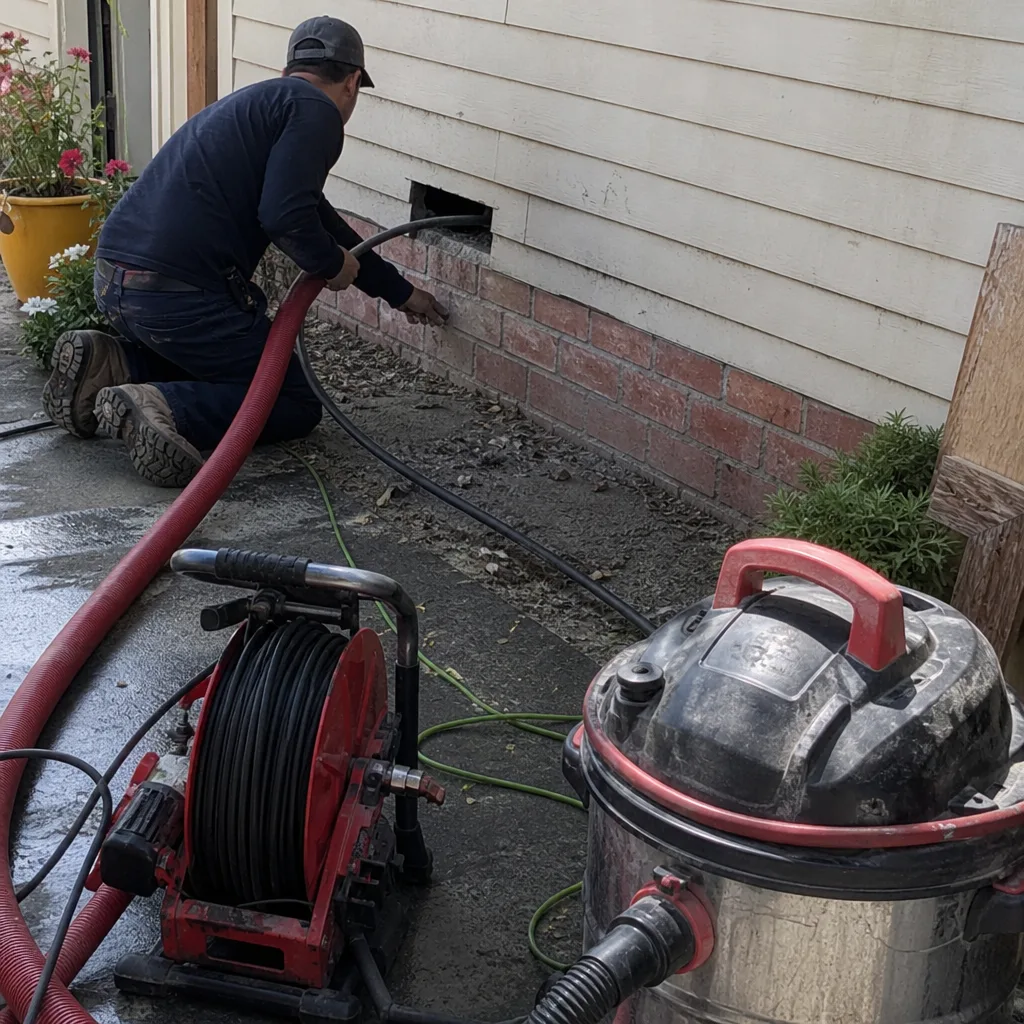 Before
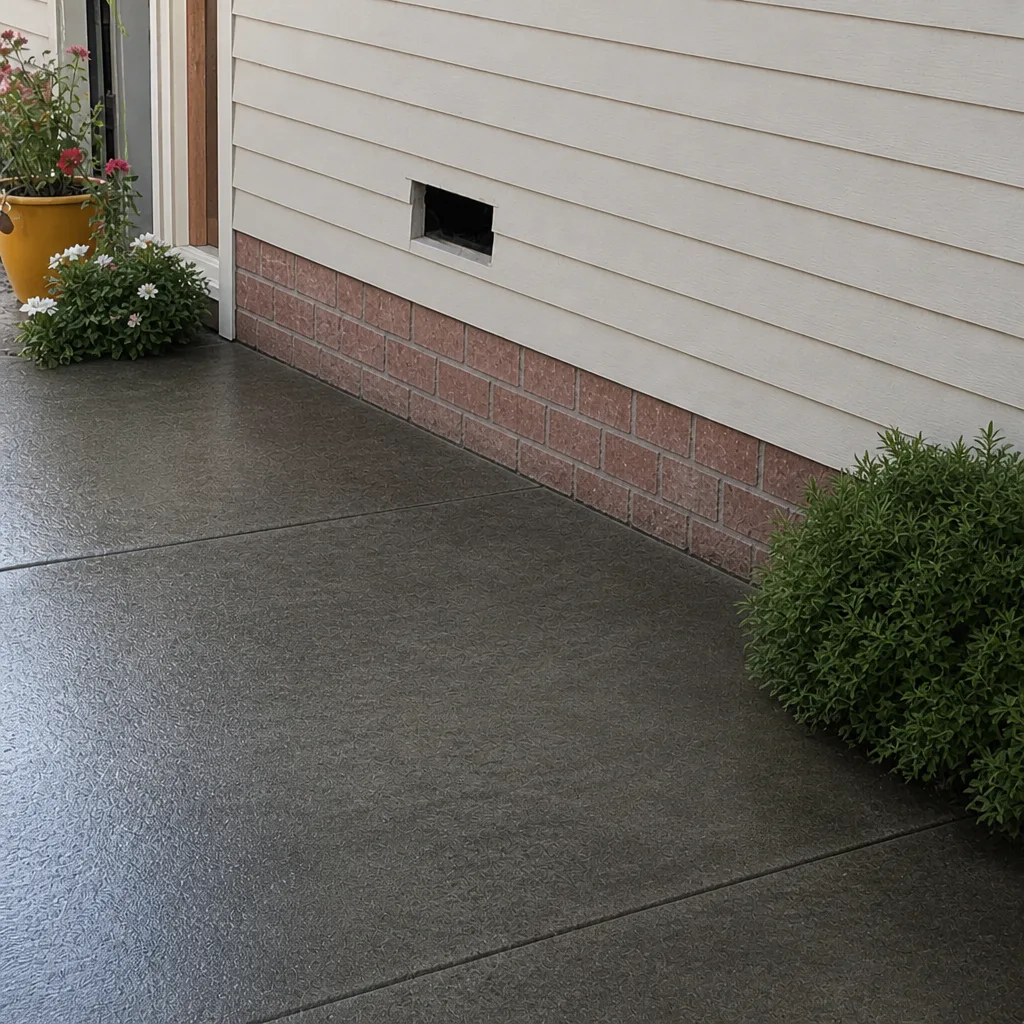 After
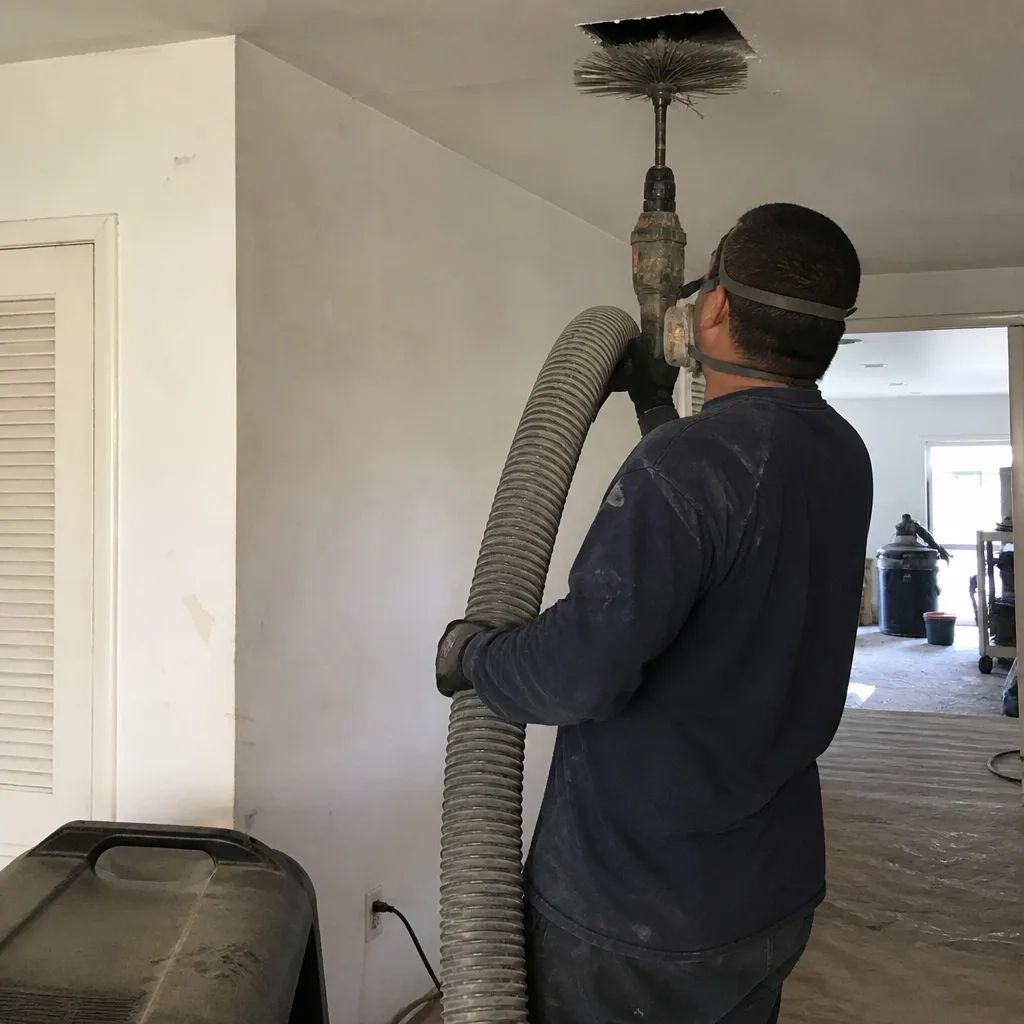 Before
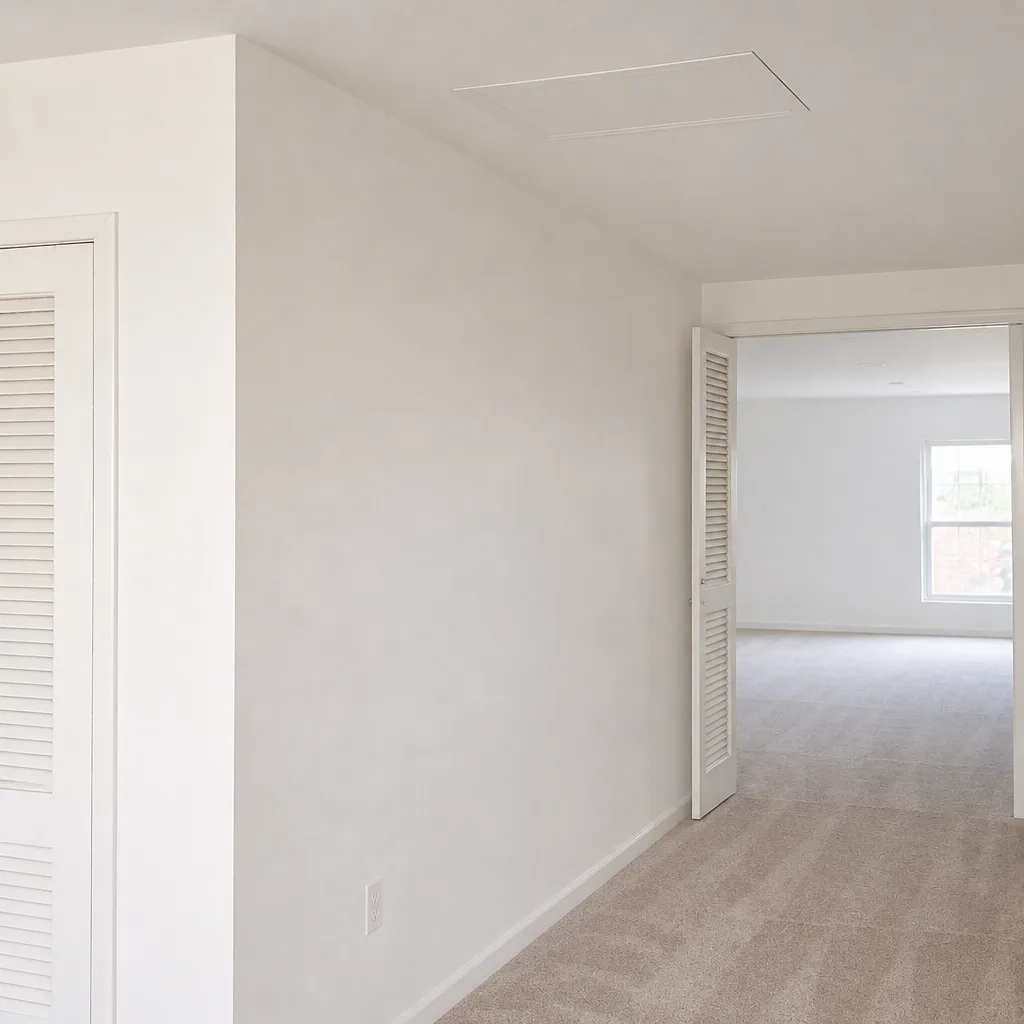 After
 Before
 After
When to Call a Professional
Call a professional when the system is more than a few years past a cleaning, when there’s been a triggering event like a renovation or a wildfire smoke episode, when there’s a moisture or musty odor issue, or when someone in the home has a respiratory condition that could be tied to indoor air quality. These are the scenarios where the unreachable 90% of the system matters most. Air Duct Cleaning Northwood offers free estimates in Northwood – call (866) 947-9073. We answer 24/7. Fast dispatch from 7am to 7pm, Sunday through Friday. The written estimate sets the price, one flat rate per system, agreed before any work starts. If your system turns out to be in better shape than you thought, you’ll be told that too.
Frequently Asked Questions
Whole-system air duct cleaning in a typical Northwood home is priced as one flat rate for the whole system, not per vent, and the written estimate sets the final number. Per-vent pricing is the industry’s bait-and-switch structure, and it’s why some quotes come in dramatically lower than the invoice. Call (866) 947-9073 for an exact quote – estimates are free.
You can clean the register openings and the first few inches of duct yourself, and that’s genuinely useful between professional visits. You cannot reach the plenum, the air handler, or the trunk lines with a household vacuum, and those are where most of the contamination sits. Annual DIY register cleaning plus a professional cleaning every 5 to 7 years (shorter if there’s a triggering event) is a realistic routine.
Consumer duct brushes are usually built for rigid duct and can puncture the vapor barrier or disturb the insulation on flex duct systems. If you’re not sure what material your ducts are made of, pull a register and look for the spiral wire. If it’s flex, avoid any brush that goes past the opening. Repairing a torn flex run afterward costs more than the original cleaning would have.
Much cheaper quotes usually skip containment equipment, skip the air handler and coil cleaning, and price per vent so the “per vent” number looks low until you count the vents. Some skip the repair step entirely. Ask specifically whether the quote includes containment, air handler cleaning, and any repair and sealing work found during inspection – the honest number will be there. Call (866) 947-9073 for an exact quote – estimates are free.
Ask for before-and-after photos of your own registers, plenum, and air handler coil from the same job. Any professional operation will provide this without pushback. If a contractor resists the request, that’s the answer you needed. Proper cleaning also leaves a physical signature: the register boots are visibly clean at the edges, and the airflow is measurably better on the weaker runs.
Every 5 to 7 years is a reasonable baseline for a home with no triggering events. Northwood’s wildfire smoke season most years pushes that closer to every 4 to 5 years for homes with anyone sensitive to air quality, and a renovation or water event resets the clock entirely. If the ducts have never been cleaned and the home is more than 10 years old, do it once now and build the interval from there.
The Bottom Line
DIY duct maintenance is real and worth doing: register cleaning, filter upgrades, and airflow monitoring genuinely extend the system’s healthy life. What DIY can’t do is reach the plenum, the air handler, or the far end of the trunk lines, and those are where most of the air quality problem actually lives. The equipment is the reason – negative pressure extraction, mechanical agitation, and containment all working together in a way a shop-vac never will. If your system is over 10 years old, has been through a renovation or smoke event, or anyone in the home is sensitive to air quality, professional cleaning is the honest answer. If it’s newer and clean, your DIY routine is doing more than a cleaning would.
Call Air Duct Cleaning Northwood at (866) 947-9073 for a free estimate. We answer 24/7. Fast dispatch from 7am to 7pm, Sunday through Friday. The written estimate sets the final price, one flat rate per system, and you’ll get before-and-after photos of your own ductwork when the job is done.
Written by the team at Air Duct Cleaning Northwood.