
Last updated November 24, 2026
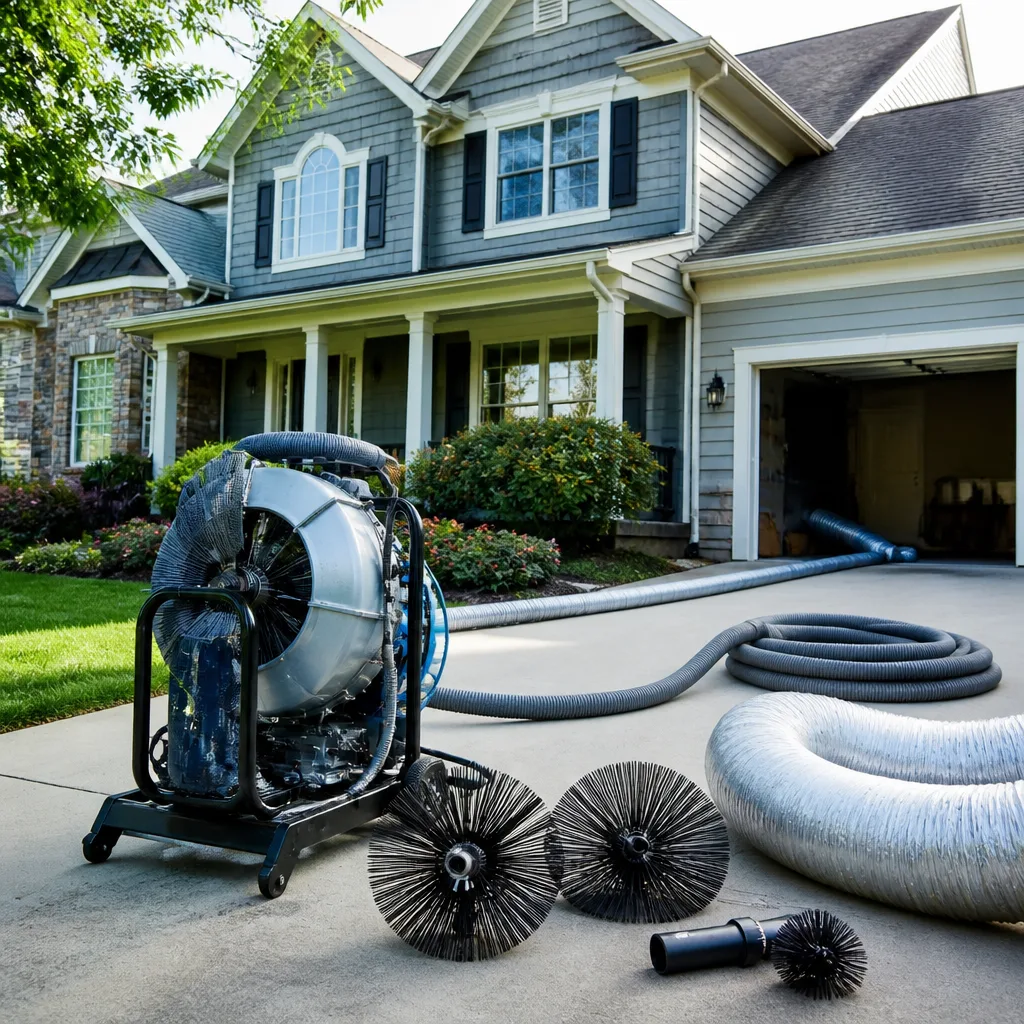 Whole-home duct cleaning
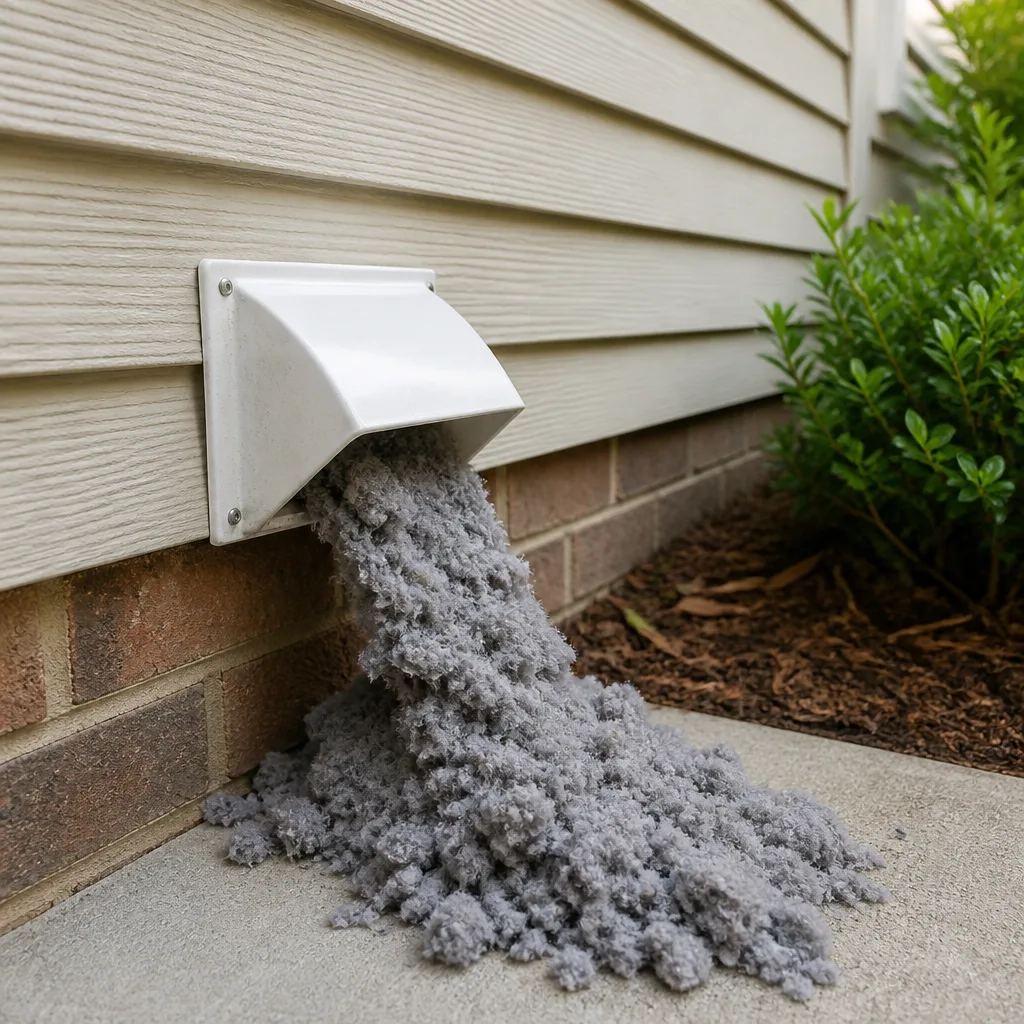 Dryer vent cleaning
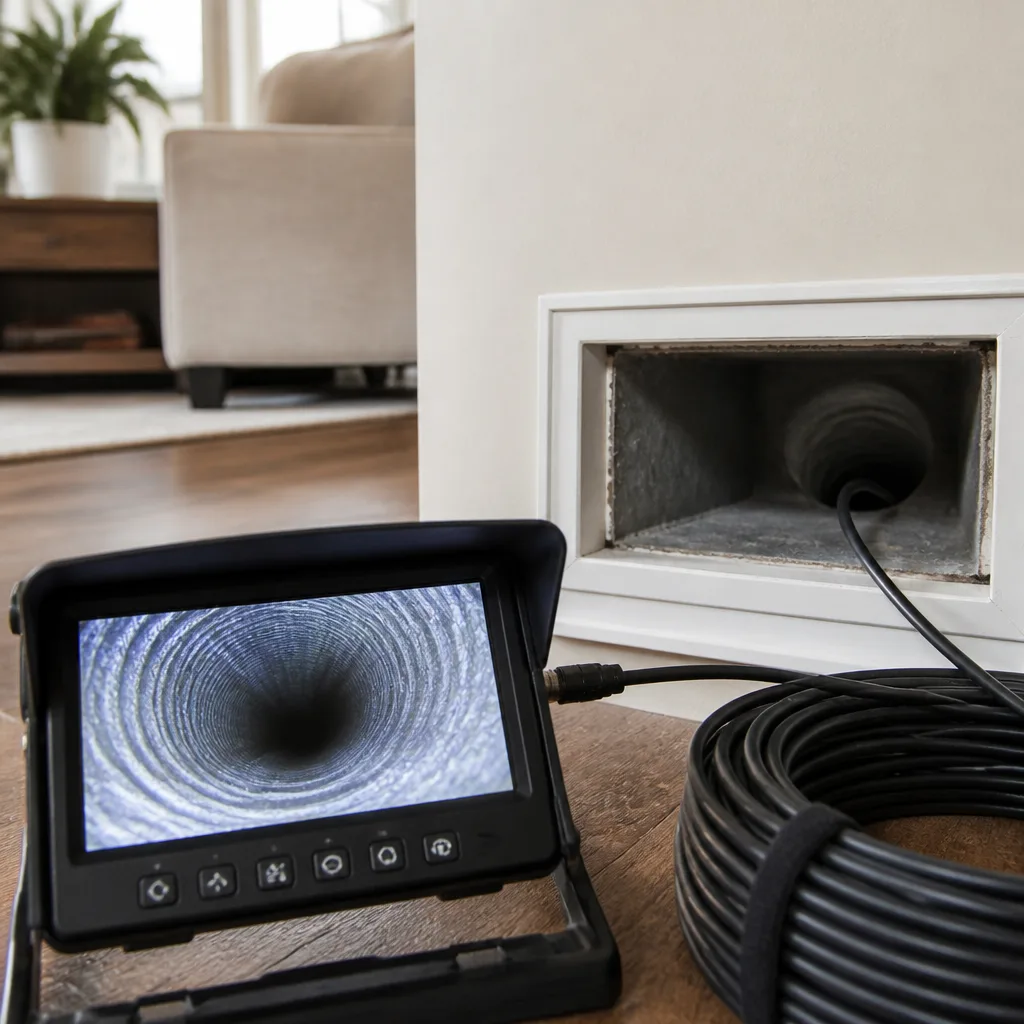 Camera inspection
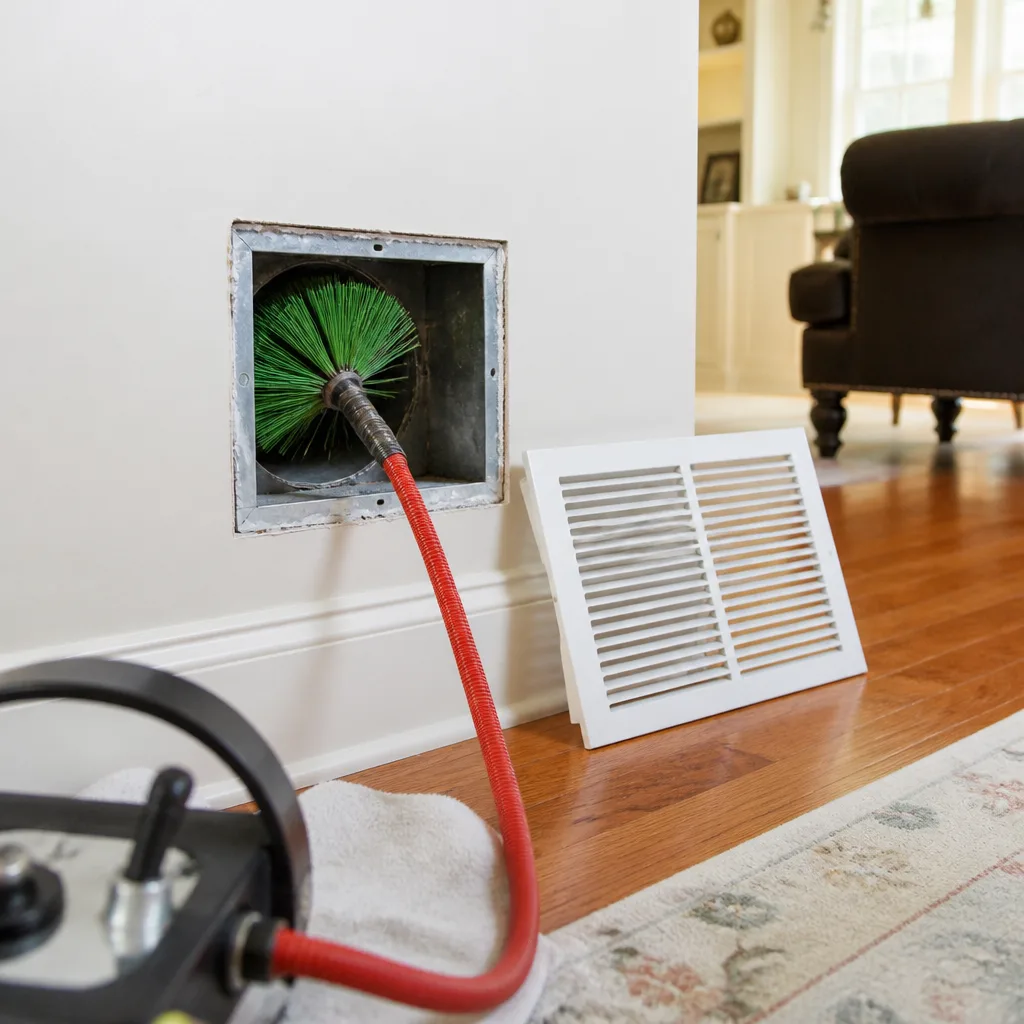 Sanitizing & deodorizing
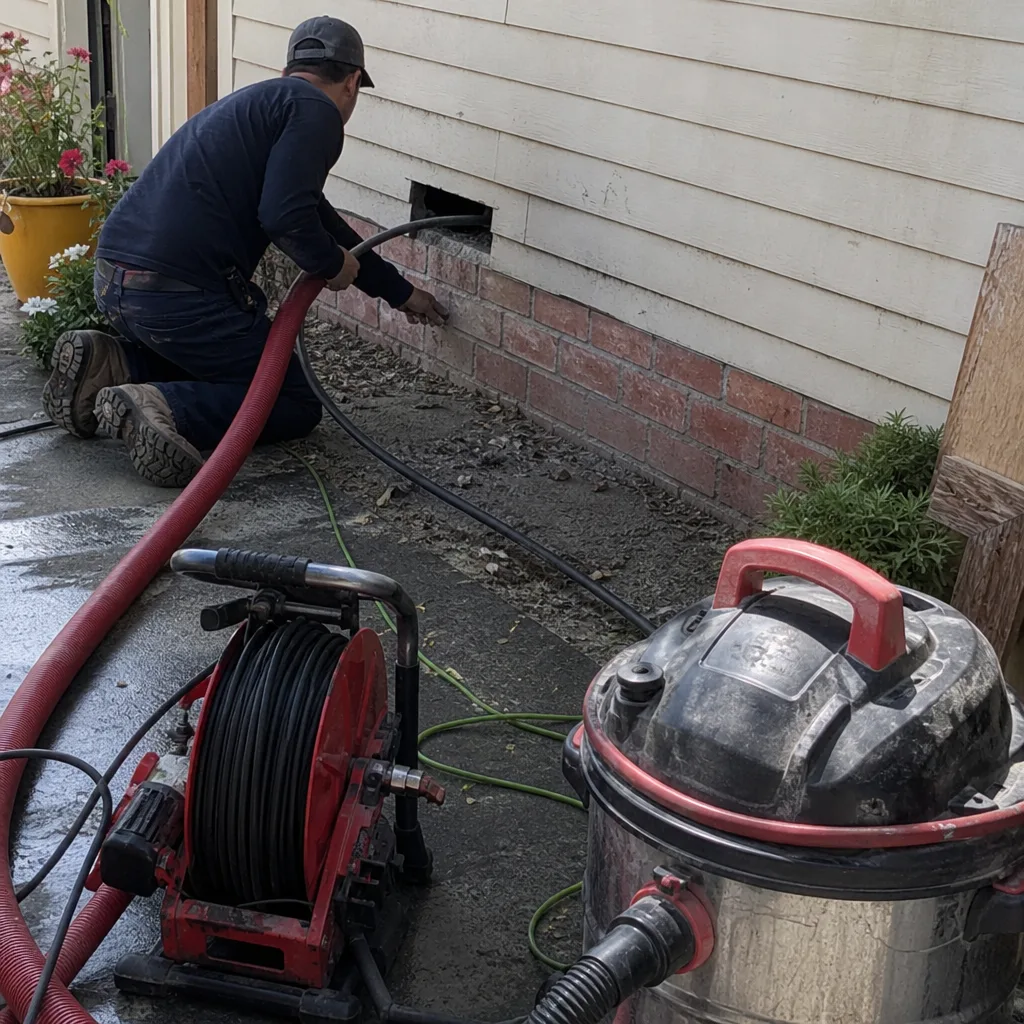
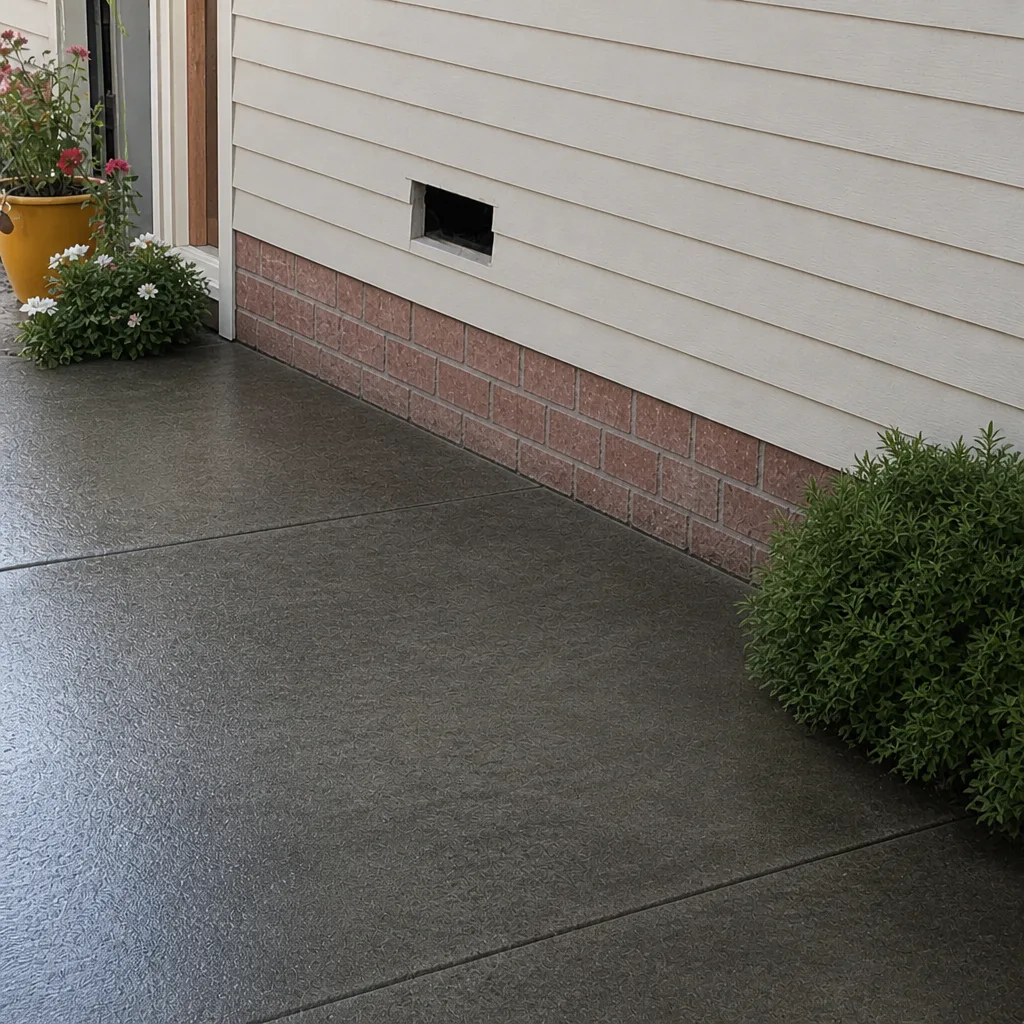
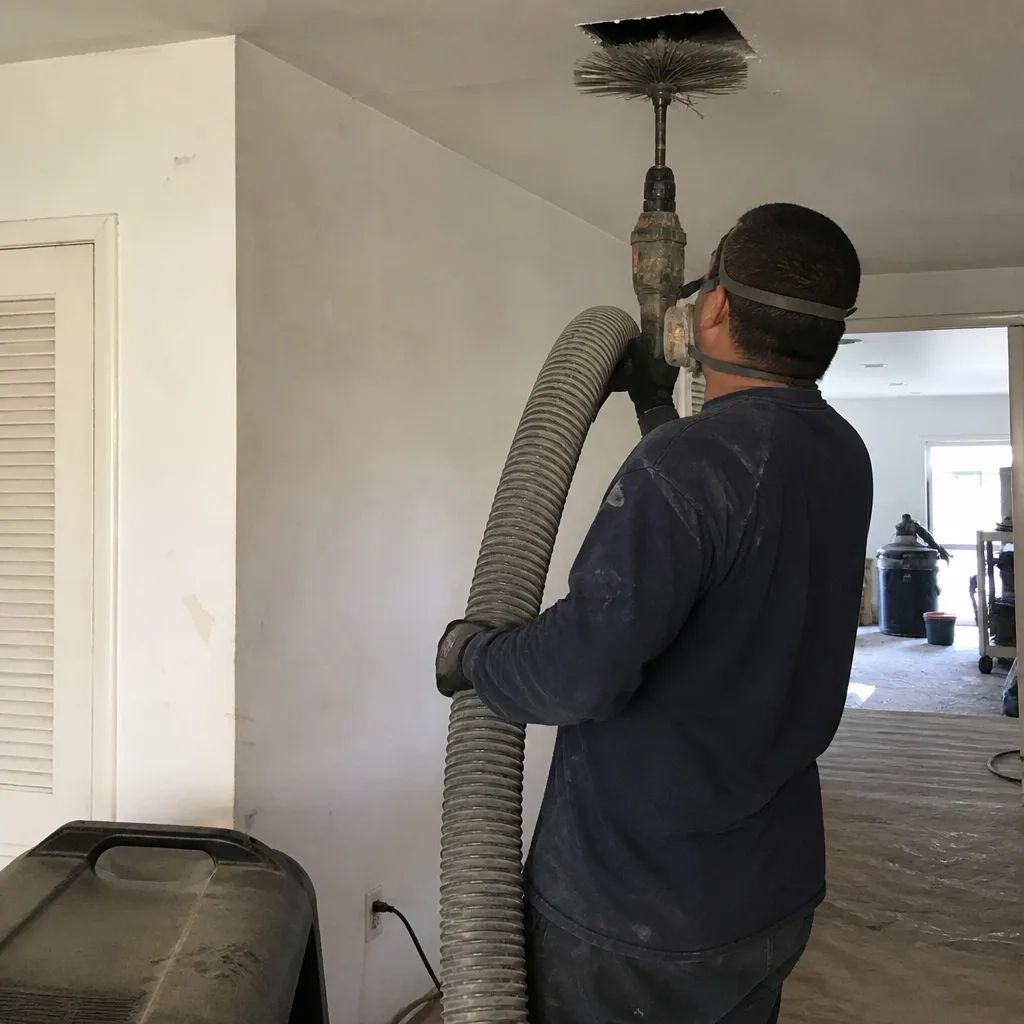
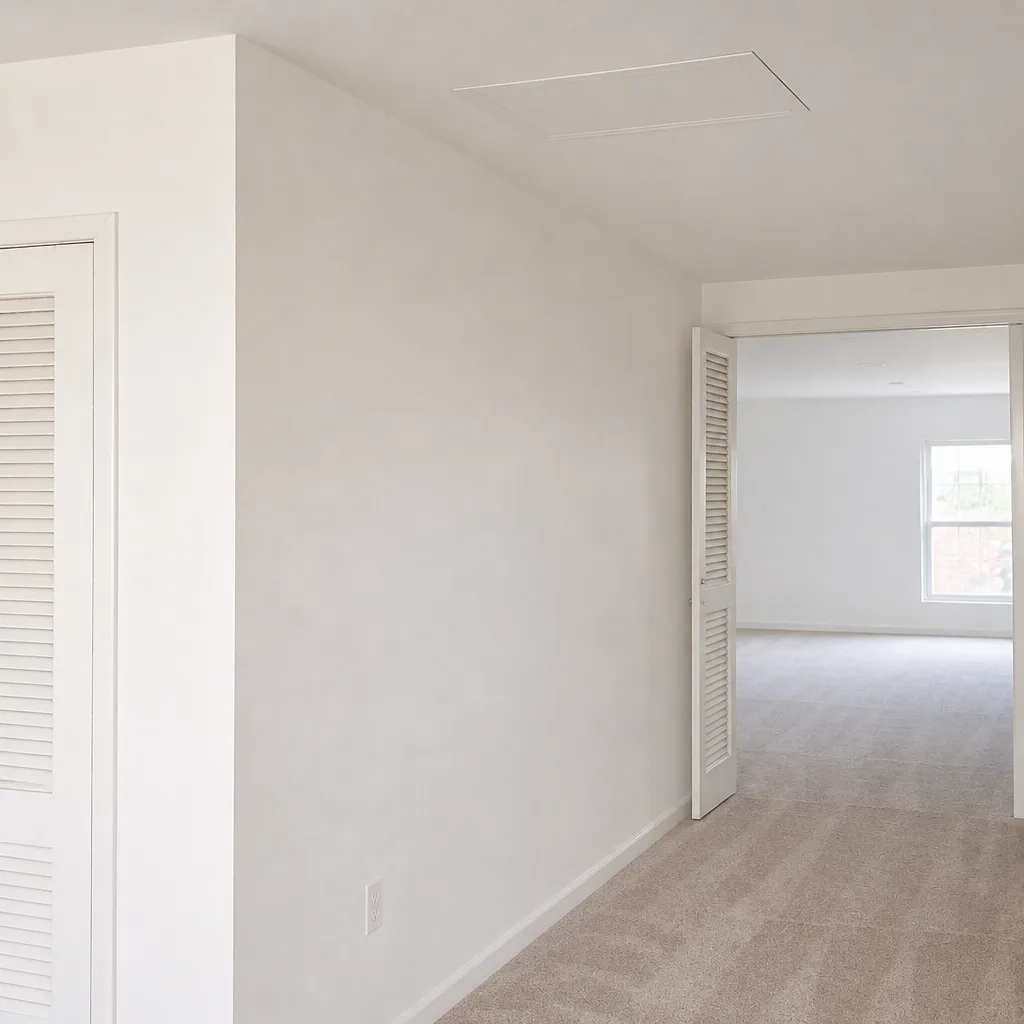
Whole-system duct and dryer vent check with before-and-after photos - you see exactly what came out of your vents
That "$99 whole-house special" is a bait ad - the real number appears once they are in your hallway, or the "clean" is a shop-vac at the register. We photograph the inside of your ducts before and after instead.
How to Hire an Air Duct Cleaning Contractor in Northwood: A Step-by-Step Guide
Most homeowners in Northwood assume the person who shows up to clean their ducts has been vetted by someone. In California, that assumption does the work of a licensing board that doesn’t exist for this trade. There is no state licensing requirement to call yourself an air duct cleaner, which means the burden of qualification falls entirely on you, before anyone touches your system. This guide gives you the technical questions to ask, the equipment answers to listen for, the contract language to question, and the red flags to spot during the job. It’s the vetting process that separates a legitimate system cleaner from a low-bid surface crew.
Quick Answer
To hire an air duct cleaning contractor in Northwood, verify the equipment first (professional rotary brush and negative-air containment, not a shop vac), ask for a full-system scope written in the contract, and refuse any quote given before someone has actually inspected your ductwork. A legitimate contractor walks the system before pricing, names their equipment, and creates access panels rather than relying on one return grille. Everything else in this guide refines those three checks.
Styles & brands we work with
- Whole-home duct cleaning
- Dryer vent cleaning
- Camera inspection
- Sanitizing & deodorizing
Table of Contents
- Why Vetting an Air Duct Contractor in Northwood Takes Real Effort
- The Equipment Questions to Ask Before You Book
- What NADCA Membership and ACR Standards Actually Require
- What a Legitimate Pre-Job Assessment Looks Like
- Contract Red Flags: Vague Scope and Add-On Pressure
- What to Watch During the Job Itself
- How to Verify the Work Was Actually Done
- Why Duct Repair and Sealing Belong in the Conversation
Why Vetting an Air Duct Contractor in Northwood Takes Real Effort
In states where a contractor license board governs the trade, hiring is a look-up exercise. California has no such board for duct cleaning. That’s the entire premise of this guide, and it’s worth sitting with for a moment.
What this means in practice: anyone with a vacuum, a van, and a phone number can advertise air duct cleaning in Northwood and every surrounding neighborhood. There’s no exam, no required apprenticeship, no bond posted with the state that proves competence. The barrier to entry is essentially zero. Some of those people do excellent work. Many don’t. You can’t tell them apart from an ad or a website.
So the hiring decision has to be built on evidence you gather yourself. That evidence falls into four buckets:
- Equipment: What machine is doing the work, and does it match the size of a residential duct system?
- Process: Is there containment? Is there access-panel work? Is there post-cleaning verification?
- Scope: Does the written contract describe the system or just a flat “whole house” number?
- Credentials and standards: Does the contractor belong to an industry body with a written standard, and can they tell you what that standard requires?
A contractor who can answer specific questions about all four is a different animal from one who can’t. The rest of this guide walks through each bucket with the questions to ask and the answers that should raise your confidence or end the conversation.
One Northwood-specific note: our housing stock runs from older single-story homes with rigid metal trunk lines to newer construction with flex duct runs and modern filter cabinets. Those systems behave differently under cleaning. A contractor working in Northwood needs to recognize both and adjust their approach, which only becomes clear when you ask equipment and process questions.
The Equipment Questions to Ask Before You Book
Equipment is the single fastest way to sort contractors, because the answers are specific and there’s no reason for a legitimate one to hedge. Ask these questions directly and listen to the language.
“What kind of cleaning machine do you use, and is it truck-mounted or portable?” Both can be legitimate, but they do different work. Truck-mounted units generate strong, sustained suction through a long hose, which is what you want for a full residential system. High-quality portable units can work on shorter runs or light-commercial spaces, but they demand the technician be more deliberate. A vague answer like “a professional unit” tells you nothing. A specific answer names the machine.
“What’s the CFM rating of your equipment?” CFM (cubic feet per minute) is the airflow the machine pulls. Higher CFM means more material gets pulled out and sent to the collector rather than stirred into the air. You don’t need to memorize industry benchmarks to benefit from asking; you need to hear whether the person on the phone knows the number or has to put you on hold to find out.
“What brush or whip attachments do you use on the trunk lines and the branch runs?” Rotary brush systems are the standard for scrubbing duct walls as they advance through a run. Whipping attachments work the round branch ducts. Truck-mounted systems used by restoration and commercial contractors are the reference point here. Air Duct Cleaning Northwood uses Rotobrush and Nikro rotary brush and vacuum systems, precisely because these are the tools restoration and commercial HVAC contractors rely on rather than consumer-grade shop vacs or portable blowers.
“How do you prevent the dust you dislodge from blowing back into my living space?” This is the containment question and it’s the one most homeowners forget to ask. A vacuum on one end of a duct doesn’t stop dust from escaping through seams, registers, and pleated flex duct at the other end. The correct answer involves negative-air equipment and physical containment on the registers and any openings the technician creates. We deploy Abatement Technologies negative-air and containment tools so that dislodged contaminants are captured and removed rather than recirculated into the home while we work.
A contractor who can describe their machine, its CFM, their brush setup, and their containment method in plain terms is credible on equipment. One who answers “we have everything we need” is not.
What NADCA Membership and ACR Standards Actually Require
NADCA, the National Air Duct Cleaners Association, publishes a written standard for the trade: ACR, the Assessment, Cleaning, and Restoration standard. When a contractor says “we follow NADCA standards,” the useful follow-up is “what does that actually require of you on a job?” Membership is a signal, but the standard is what matters.
Broadly, ACR requires three phases:
- Assessment: The contractor inspects the system before quoting or cleaning. That means visual inspection of accessible ductwork, checking the air handler and coil area, and identifying any compromised sections, loose joints, mold-suspect areas, or pest activity. A site with no inspection is not an ACR-consistent site.
- Cleaning: The system is cleaned as a system, including the air handler cabinet and coil as well as the duct runs, using containment so that contaminants don’t escape into the occupied space. Surface vacuuming through a single return grille doesn’t meet the standard.
- Post-cleaning verification: After cleaning, the contractor verifies that surfaces are clean, access panels are sealed, and the system is restored to service. Verification is documented. In our experience, this is the phase most low-cost operators skip entirely, because it costs time and it exposes whether the cleaning was real.
Note what NADCA is not: it isn’t a state licensing body. A non-member can clean ducts legally in California. But a contractor who can explain the three phases and walk you through how their process maps to each is telling you, in specifics, that their operation is built around a standard rather than a price. That’s about as close to a credential as this trade offers, and it’s worth weighting heavily when you’re comparing bids.
Ask specifically: “Do you inspect before quoting, do you clean the air handler and coil, and do you verify after cleaning?” The answer should be a straightforward yes to all three, with an explanation of what verification looks like on your system.
What a Legitimate Pre-Job Assessment Looks Like
A quote given before anyone has seen your ductwork is a guess at best and a bait price at worst. This is the single clearest line between a system cleaner and a low-bid crew.
A real assessment in Northwood should include:
- A walkthrough of the accessible system. The technician should visit the air handler, look at the plenum and the main trunk, and check at least a couple of branch runs. If the system has flex duct, they should look at run lengths and any sagging or disconnected sections.
- Register-by-register check. Not every register needs to be opened, but they should note airflow patterns and any damaged grilles or mismatched supply/return placement.
- Coil and cabinet inspection. The evaporator coil and blower cabinet are part of the air path. A contractor who doesn’t look at them isn’t cleaning the system, just the visible ducting.
- Signs of compromise. Disconnected joints, rodent intrusion, moisture, and collapsed flex duct should all be noted. This is where duct repair and sealing enters the conversation, before cleaning starts.
- A written scope and written price. After the inspection, you should have a scope that names the components to be cleaned, notes any repairs needed, and quotes a single price for the job.
That final point matters in this market. Duct cleaning has a reputation problem in Northwood and every surrounding community because of the coupon-and-upsell model: a teaser price gets the technician in the door, then the number climbs once disassembled ductwork is on the floor. The answer to that reputation is simple. One flat price per system, agreed before work starts, with no per-vent pricing and with before-and-after photos of your own ducts on completion. If a contractor won’t commit to that up front, you’ve found the answer you need.
A site walkthrough takes thirty minutes on a typical home. Any operator who wants to skip it, or who quotes you a number over the phone sight unseen, isn’t doing the assessment part of the job that ACR requires.
Contract Red Flags: Vague Scope and Add-On Pressure
The contract is where a lot of bad jobs get locked in. Read it with the same skepticism you’d use for a renovation bid.
Vague scope language. Watch for a single line like “clean all ductwork, whole house.” That’s not a scope. A proper scope names the components: main trunk lines, branch runs, supply and return registers, the air handler cabinet, and the evaporator coil, and states whether the contractor is cleaning each. If the coil and cabinet are excluded, the cleaning is incomplete and the contract lets them skip it. Ask for the components in writing.
One-size “whole house” pricing without a walkthrough. Flat pricing can be legitimate when it follows an inspection. It isn’t legitimate when it’s a marketing number quoted before anyone has seen the system. The difference is whether the number is grounded in your house or in the ad.
Add-on pressure during the job. Mid-job add-ons aren’t automatically scams. Finding a disconnected joint and offering to seal it on the same visit is good service, if the price is put in writing first and you’re free to decline. What’s suspicious is discovering a “problem” that wasn’t in the pre-job assessment, presenting it as urgent, and quoting a number on the spot without giving you time to consider. Note the sequence: assessment, written scope, flat price, work, verification. Any mid-job discovery should be re-quoted the same way a pre-job repair would be, in writing.
Deposits and pressure language. A reasonable deposit or job-scheduling practice is fine. Pressure to pay in full before the job or to “lock in today’s pricing” is not. The estimate should be free, and the final price should be the number in the written scope.
No mention of insurance or workers’ comp. Ask whether the contractor is insured and whether their technicians are covered on the job. Whether or not it’s a legal requirement in a given trade, no contractor should be working in your home without coverage. Ask before you book.
If any of the above is missing or fuzzy, slow down and ask. A contractor who treats those questions as reasonable is worth your money. One who gets irritated isn’t.
What to Watch During the Job Itself
You don’t need to hover. You do need to check a few key points, because this is where the difference between a professional and a shortcut operator becomes visible.
- Containment goes up before cleaning starts. Negative-air equipment and register covers should be in place before any brush enters the system. If the technician starts running a rotary brush before containment is set, dust is being driven into the home.
- Access panels are created, not improvised. Professional cleaning often requires an access panel cut near the air handler or the trunk line. The panel should be cut cleanly, used, and sealed after cleaning. Watch for taped-over cardboard as a temporary patch that never gets replaced properly.
- Brush and whip attachments match the duct type. Rigid metal trunk lines take a rotary brush well. Flex duct needs a lighter touch, usually a whip, because the brush can tear the liner. A contractor using the same aggressive setup on flex duct is going to leave damage behind.
- The air handler and coil are actually cleaned. This is a common shortcut. Ask to see them during the job, and ask what chemical treatment is being used on the coil, if any.
- Post-cleaning verification happens in your presence. The technician should show you cleaned runs, confirm the access panels are sealed, and review the before-and-after photos. If that step doesn’t happen, ask for it.
If sanitizing is being added, ask what product is being used and whether it’s appropriate for the system. Guardsman-grade sanitizing treatments are the reference point for a treatment used on duct surfaces, and a knowledgeable technician should be able to explain what it does and doesn’t do. A cheap fogger that leaves a scent and evaporates is not the same thing.
A legitimate crew will welcome these checkpoints. They have nothing to hide, and the walkthrough helps them demonstrate the work. If any part of the process is rushed or you’re told “you don’t need to see that,” that’s information.
How to Verify the Work Was Actually Done
Verification is the question every Northwood homeowner should ask themselves before paying, and the one that separates a real cleaning from a piece of theater. If you can’t verify it, don’t pay for it.
Before-and-after photos. Not stock images. Your ducts. Interior shots of representative trunk and branch runs before cleaning started, and after. A contractor confident in their work will have no problem providing these.
A physical walkthrough of accessible areas. Open a register or two yourself after the crew has finished. Interior duct walls on the cleaned runs should look clean, with no loose debris. If they don’t, you have grounds to ask for a return visit before settling the invoice.
Confirmation of access panels. Every panel the crew created should be sealed. Panels sealed with quality materials and duct mastic last. Panels taped with a strip of foil tape and left loose will start leaking air into unconditioned space within a season.
A final report. Some contractors provide a brief written summary noting what was cleaned, what repairs were made, and what, if anything, they recommend. It’s not required, but a contractor who offers it is documenting their work and giving you a record.
If any of those checks come up short, you have a clear path: withhold payment, request before-and-after photos, and request a return visit for the parts that weren’t done. That path exists only if you hired someone who was willing to put the scope in writing to begin with. Which is why the vetting process pays off at the back end as well as the front.
Why Duct Repair and Sealing Belong in the Conversation
Cleaning ducts that are leaking is close to pointless. This is the technical reason duct repair and sealing belong in the same job as cleaning, and why a contractor who can’t do both in one visit is going to leave you with a half-finished result.
The most common findings on a Northwood system inspection are disconnected flex duct at the collars, torn inner liners on flex runs, sagging or crushed flexible duct behind drywall, and gaps at the plenum where metal duct meets the air handler cabinet. Any one of these pulls attic or crawlspace air into the supply side, which means every dollar you spent on cleaning gets diluted the moment the blower starts up again. A surface clean without sealing is a cosmetic result.
Restoration and commercial contractors treat cleaning and repair as one scope for exactly this reason. Air Duct Cleaning Northwood offers duct repair and sealing as a core service on the same visit, so compromised ductwork found during the inspection gets fixed rather than reported as a separate job you’d need to book with someone else. That matters for a homeowner running the vetting process in this guide, because it removes the most common gap in a duct cleaning quote.
If you’re comparing a cleaning-only quote against a cleaning-and-repair quote, look at what each one is actually doing. Cleaning-only means you’re paying for the clean and then facing a second contractor for the sealing. Cleaning-plus-repair means the system is closed up and airtight at the end of the job. The second quote is usually the more honest comparison.
Adjacent services also belong in the conversation. If the dryer vent hasn’t been cleaned, that’s a fire safety consideration and worth booking dryer vent cleaning at the same time. The air handler cabinet and coil should be part of any HVAC cleaning scope. And if you haven’t had a full-system air duct cleaning in a while, that’s the place to start. The broader point is Air Duct Cleaning Northwood covers the whole loop, so the sealing, HVAC, dryer vent, and duct work can be coordinated rather than split across multiple contractors.
Common Mistakes to Avoid
- Booking off a coupon price without asking about scope. A number in an ad is not a quote. It’s a hook. Ask what the number covers and what the price will be once the technician has walked the system. You want one flat price per system agreed before work starts, not a per-vent price that climbs as the job unfolds.
- Quoting without a site visit or inspection. If nobody has looked at your ducts, the quote is fiction. A legitimate contractor inspects before pricing. This holds even for small homes and especially for older Northwood houses with non-standard duct layouts.
- Not asking about equipment. If the answer to “what machine do you use” is vague, you’re not getting a system clean. Name the equipment in the conversation and listen for the answer.
- Skipping the containment question. Ask how they keep dust out of the living space. If they can’t describe negative-air equipment, they’re going to blow dust through the house while they work.
- Accepting a cleaning-only scope when the system is leaking. Cleaning without sealing is a half job. If the inspection finds disconnected or torn ductwork, repair and sealing should be in the same written scope, with the price agreed before work starts.
- Paying without before-and-after photos of your own ducts. Verify what was actually done. Photos of your system, before and after, are the minimum evidence for a completed job.
- Letting add-ons happen without a written change order. If something new is found mid-job, the price for the new work should be quoted in writing before it’s done, and you should feel free to decline without consequence to the rest of the job.
See the difference
 Before
 After
 Before
 After
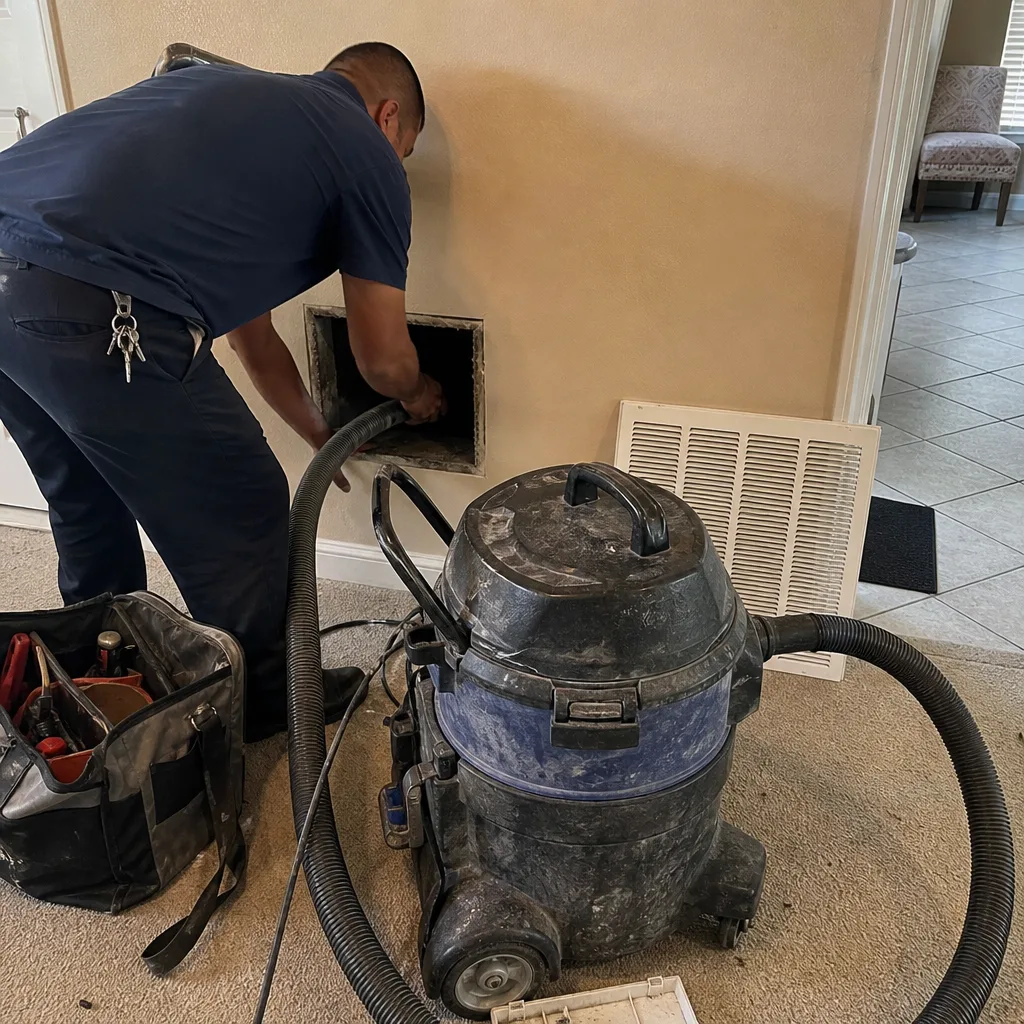 Before
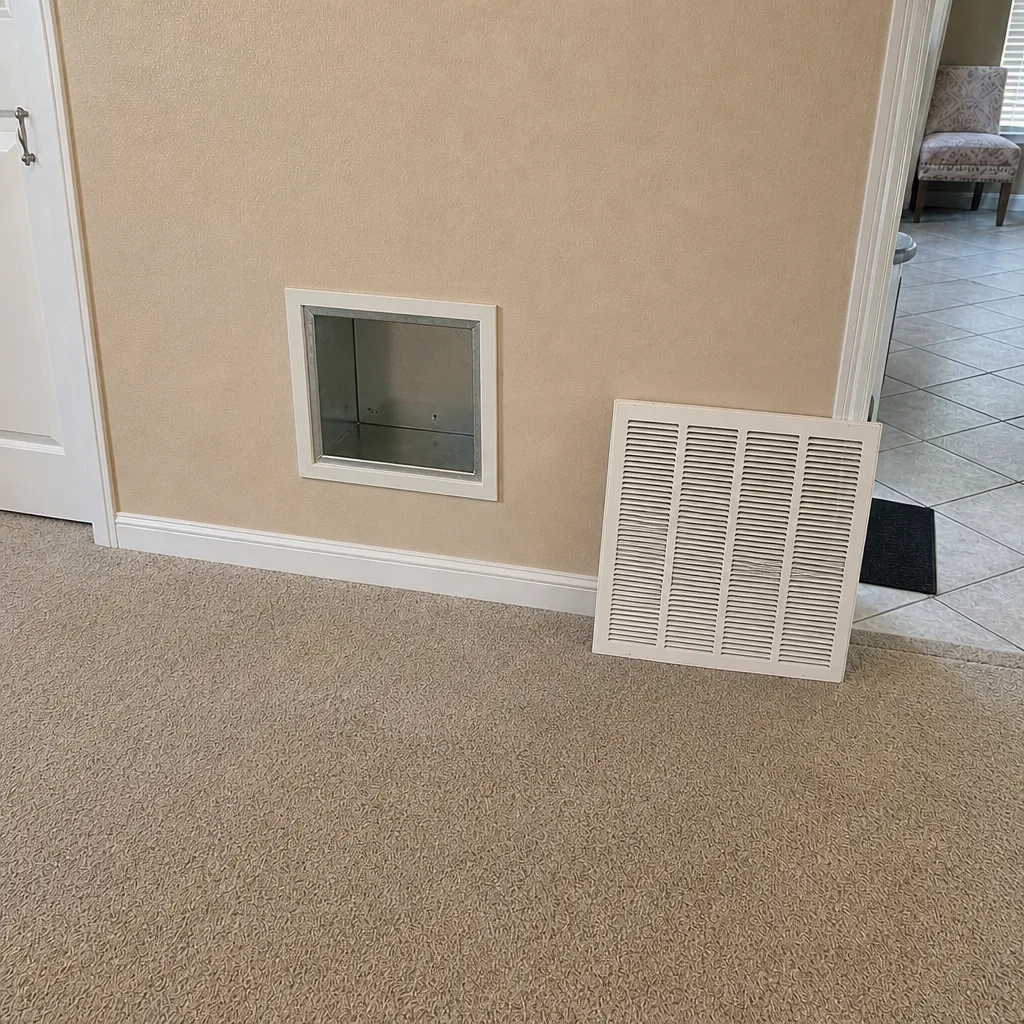 After
When to Call a Professional
You don’t need to schedule duct cleaning on a fixed calendar. You do need to act when there’s a reason. The clearest triggers: recent renovations that pulled a lot of dust through the return side; a new HVAC install where the duct system was opened during work; allergy symptoms that get worse indoors; visible dust plumes at registers when the blower starts; rodent or pest activity that left debris in the system; and any duct cleaning that hasn’t been done in years on a Northwood home where the previous history isn’t known. If any of those apply, booking an inspection is the right first step, and the inspection will tell you whether cleaning is actually warranted. Air Duct Cleaning Northwood offers free estimates in Northwood and the surrounding area. Call (866) 947-9073 to book one. We answer 24/7. Fast dispatch from 7am to 7pm, Sunday through Friday.
Frequently Asked Questions
The price depends on the size and layout of the system, how many rooms are served, and whether the job includes repair and sealing. The right way to get a number is a free, in-person estimate that follows an inspection. That’s why you’ll see estimates given as a flat price per system rather than a per-vent rate. Call (866) 947-9073 for an exact quote; estimates are free.
Cheaper quotes usually cover much less work: a surface vacuum through a single access point rather than a full system clean, no containment, no air handler or coil cleaning, and no verification at the end. The saving shows up in what didn’t get done. Ask what’s in the scope. Call (866) 947-9073 for a quote that names every component; estimates are free.
Ask for before-and-after photos of your own ducts, walk through the accessible areas yourself, and confirm every access panel is sealed. A contractor who does the job properly will have no problem providing all three. Call (866) 947-9073 to schedule an inspection and see the process in person; estimates are free.
For most Northwood homes, every three to five years is a reasonable working interval, and more often if there’s been a renovation, a new HVAC install, pest activity, or a household member with significant allergies or asthma. There’s no rule that demands a fixed schedule. The better approach is an inspection when something changes, then decide from there. Call (866) 947-9073 for a free assessment; estimates are free.
No. California does not license air duct cleaning as a trade, which is why the vetting work in this guide matters more than it would in a licensed state. The closest thing to a credential is NADCA membership and a contractor working to ACR standards. Ask about both directly. Call (866) 947-9073 if you want to talk through the process with our team; estimates are free.
Duct cleaning is not a medical treatment and we don’t present it as one. What it does is remove accumulated dust, debris, and biological material from the system so that what circulates through the home is cleaner. Whether that helps a household member depends on what was in the ducts and what else is going on in the home. Call (866) 947-9073 to book an inspection and see what your system is carrying; estimates are free.
The Bottom Line
Vetting an air duct cleaner in Northwood comes down to equipment, process, scope, and verification. Ask what machine is doing the work and what its CFM is. Ask how dust is contained, and listen for negative-air equipment. Ask whether the contractor inspects before quoting, cleans the air handler and coil, and verifies after cleaning. Demand one flat price per system agreed before work starts, no per-vent pricing, and before-and-after photos of your own ducts. Insist that repair and sealing be part of the same scope so the clean doesn’t get undone by a leaking joint. Air Duct Cleaning Northwood offers free on-site estimates in Northwood and can work with your insurer. Call (866) 947-9073. We answer 24/7. Fast dispatch from 7am to 7pm, Sunday through Friday.
Written by the team at Air Duct Cleaning Northwood.