
Last updated November 24, 2026
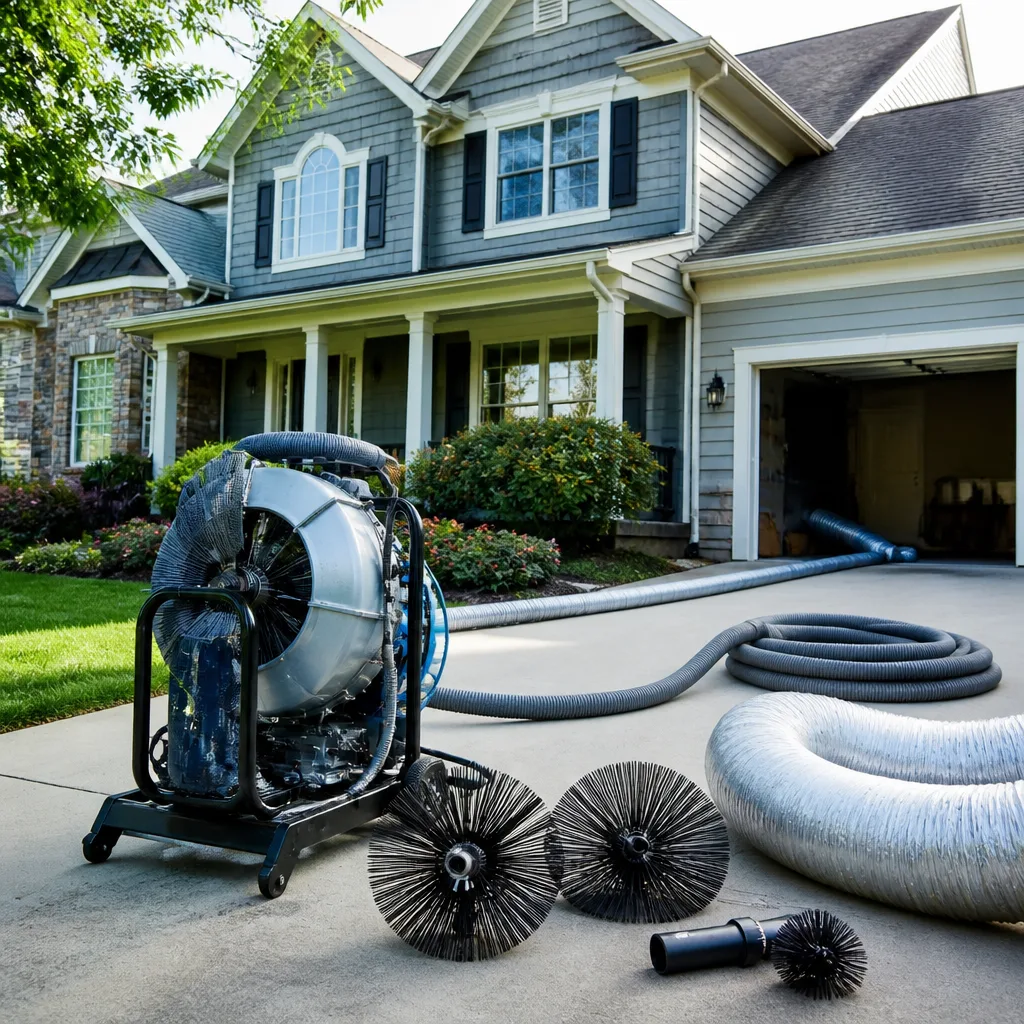 Whole-home duct cleaning
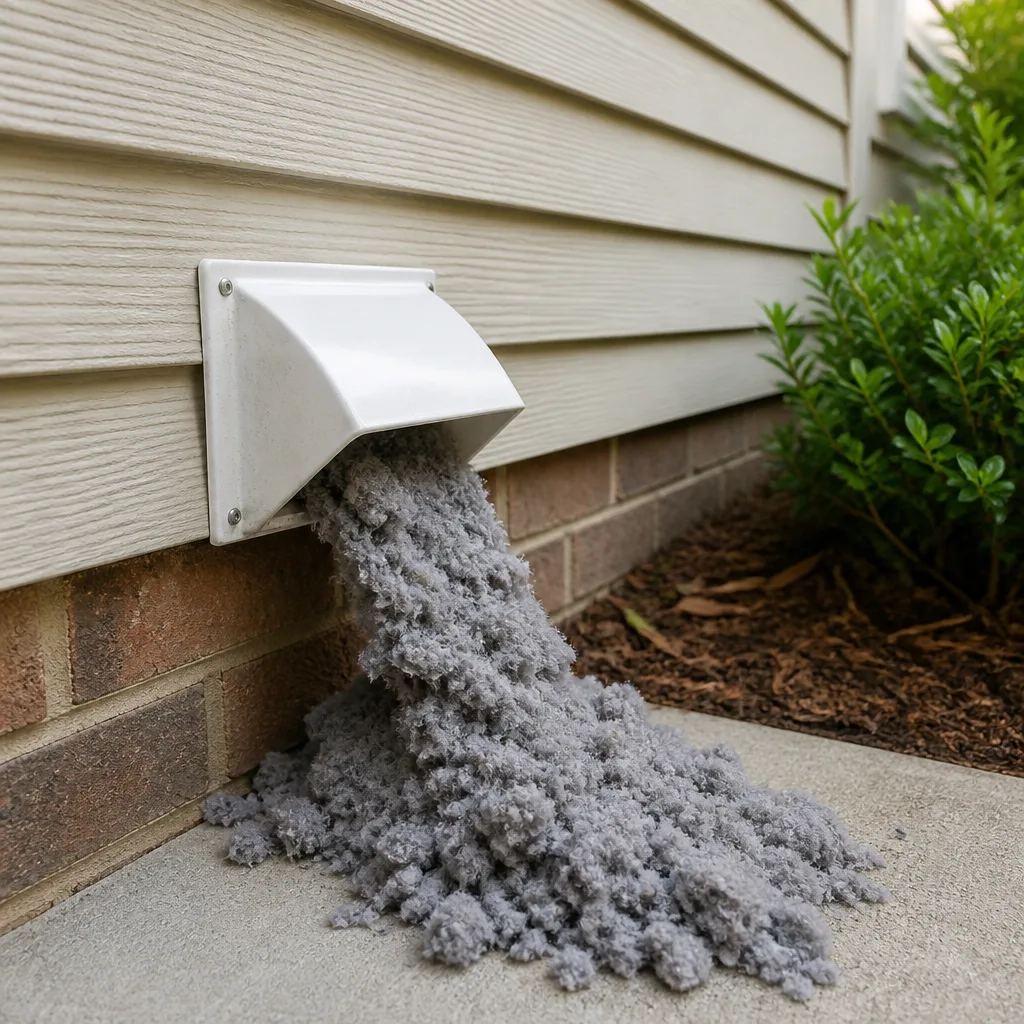 Dryer vent cleaning
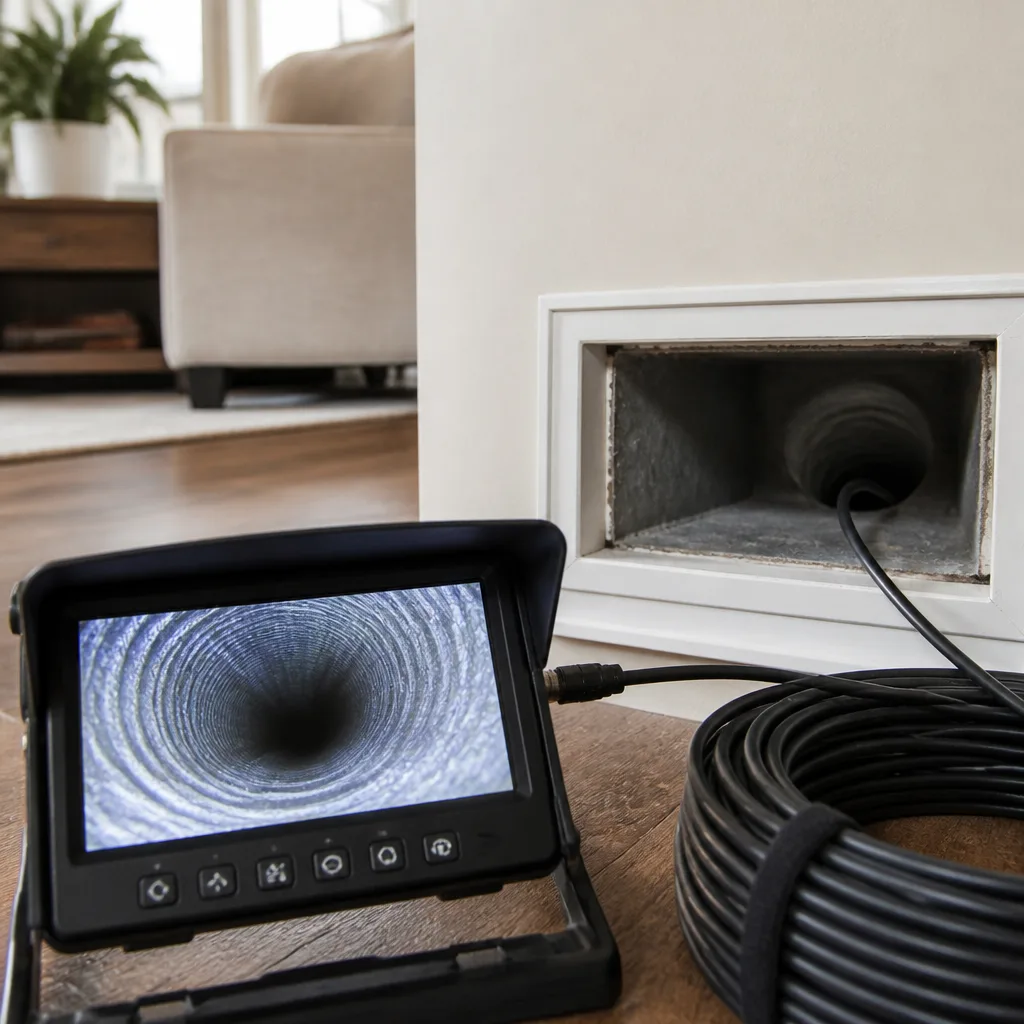 Camera inspection
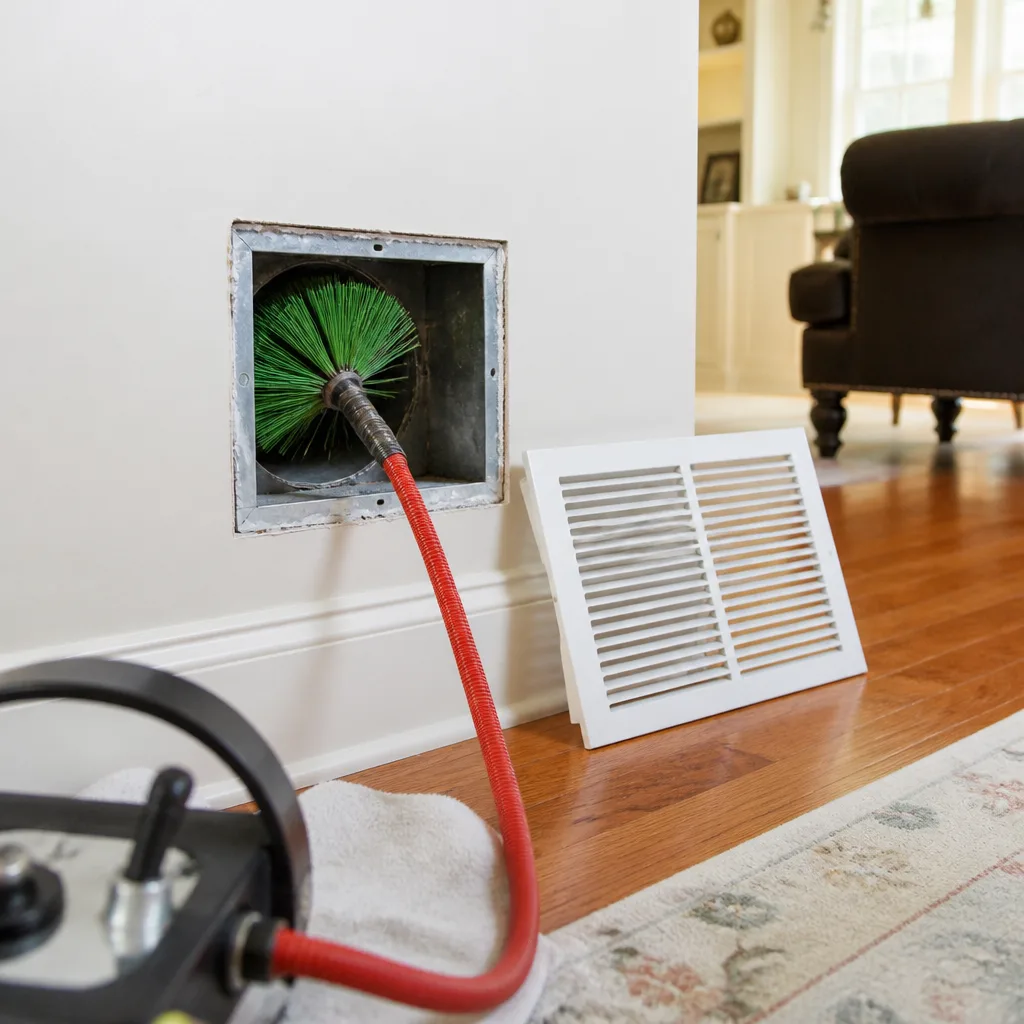 Sanitizing & deodorizing
Whole-system duct and dryer vent check with before-and-after photos - you see exactly what came out of your vents
That "$99 whole-house special" is a bait ad - the real number appears once they are in your hallway, or the "clean" is a shop-vac at the register. We photograph the inside of your ducts before and after instead.
The Complete Guide to Air Duct Cleaning in Northwood
Most duct cleaning guides explain what the service is. This one explains what a complete system cleaning actually involves mechanically, because that’s where the real difference sits. A single visit can run 45 minutes or stretch to four hours, and that gap has nothing to do with efficiency. It’s the difference between a vacuum waved at a few registers and a contained, source-removal process that follows every component of the system. What follows is a component-by-component walkthrough so Northwood homeowners can tell a thorough job from a fast one, understand how our dry climate and wildfire smoke seasons load up ductwork, and know when cleaning alone won’t fix the problem.
Quick Answer
Air duct cleaning in Northwood is a multi-stage process that uses professional rotary brush and vacuum equipment under negative pressure to remove accumulated dust, debris, and smoke residue from supply ducts, return ducts, the air handler, the coil, and every register. A complete job takes several hours, not minutes, because each component is cleaned as part of one connected system. Cleaning alone isn’t always enough; if ducts are torn, disconnected, or leaking, sealing and repair have to follow or the system re-soils quickly.
Styles & brands we work with
- Whole-home duct cleaning
- Dryer vent cleaning
- Camera inspection
- Sanitizing & deodorizing
Table of Contents
- What does “cleaning the system” actually mean mechanically?
- Contact vacuuming vs. negative pressure vs. full source removal
- How Northwood’s dry climate and wildfire smoke affect duct contamination
- The five components every complete cleaning covers
- What containment means and why it protects your living space
- When cleaning alone isn’t enough: repair and sealing
- Beyond the ducts: dryer vent, HVAC, and air quality
- How to evaluate a duct cleaning quote in Northwood
What Does “Cleaning the System” Actually Mean Mechanically?
Cleaning the system means treating supply ducts, return ducts, the air handler, the evaporator coil, and every register as one connected loop, then removing debris from all of it under controlled conditions. Debris builds up in the return and air handler first, then distributes through the supply side on every fan cycle. Skip one component and the rest re-soils within weeks; the return keeps pulling in whatever the supply side was supposed to be delivering clean.
In our experience, what separates professional work from a superficial vacuum job comes down to three mechanical elements:
- Agitation. Rotary brush systems like Rotobrush and Nikro break loose dust that has bonded to duct walls. A vacuum alone won’t move the crusted layer any more than a shop vac moves dried paint.
- Extraction under negative pressure. Once loosened, debris has to be captured in the airstream and pulled out of the system, not just moved further down the line.
- Containment. Open registers and disconnected ducts have to be sealed or actively managed so dislodged material doesn’t vent into the room.
That combination, agitation plus extraction plus containment, is what a full-system process means. A leaf blower and a shop vac can hit one element in isolation. It can’t hit all three at once, and that’s precisely the point. For a closer look at the core service behind this process, see Air Duct Cleaning Northwood.
Contact Vacuuming vs. Negative Pressure vs. Full Source Removal
Three distinct methods show up in the duct cleaning trade, and each produces a different result. Contact vacuuming uses a vacuum head pushed into accessible openings; it reaches what the head touches and little else. Negative pressure extraction pulls the whole system under vacuum and captures loosened debris in a collection unit. Full source removal combines agitation with negative pressure so the actual source of the contamination is removed, not just the surface film.
Contact Vacuuming
A technician reaches into registers, sometimes a couple of feet into a branch line, and vacuums what’s reachable. It’s useful for spot cleaning around a register boot. On a 20-foot run of flexible duct with a bonded layer of dust, it does very little.
Negative Pressure Extraction
The system is placed under negative pressure, meaning air is drawn inward and captured rather than blown into the home. This is essential during a full cleaning; without it, brush agitation sends dust back into the living space. Abatement Technologies negative-air and containment equipment is built exactly for this purpose, and it’s the difference between a controlled job and a dust storm in your hallway.
Full Source Removal
The complete method: rotary brush agitation along the entire duct run, negative pressure holding loosened debris in the airstream, extraction into a sealed collection unit, and containment keeping every open register and return sealed during the process. This is what “professional-grade” actually means. It’s also the method that takes hours rather than minutes.
Worth noting: air duct cleaning done right requires all three legs of that stool. Miss one and the customer is paying for the appearance of a job.
How Northwood’s Dry Climate and Wildfire Smoke Affect Duct Contamination
Northwood’s dry climate and seasonal wildfire smoke produce a different contamination pattern than humid regions. Humidity drives biological growth inside ductwork; Northwood’s low moisture means mold is far less common here. What accumulates instead is fine dust and smoke particulate, both of which are small enough to travel deep into the return side and settle on the coil.
Here’s what we see in Northwood homes that differs from a climate-agnostic duct cleaning discussion:
- Fine particulate dominates. Low ambient moisture means dust stays powdery and airborne longer, so it travels further into the system before settling.
- Wildfire smoke seasons load the return side. During heavy smoke periods, HVAC systems run more with windows closed, pulling fine smoke particulate into the return and filter. Some of it escapes the filter and deposits on duct walls and the coil.
- Static cling. Very dry air encourages dust to cling to duct surfaces electrostatically, which is why agitation matters here more than in humid climates where debris stays loose.
None of this means Northwood homes need more frequent cleaning than anywhere else. It means the returns and the coil deserve particular attention, and a duct cleaning that skips the air handler leaves the smoke residue and fine dust exactly where it will recontaminate the supply side. A dry-climate cleaning prioritizes extraction of the whole system, not just the easily reached registers.
The Five Components Every Complete Cleaning Covers
A complete cleaning covers five components, and skipping any one breaks the chain. It helps to think of it as a numbered sequence, because the order matters:
- Return ducts and return registers. Start here. This is where debris enters the system, and cleaning it first prevents re-soiling the supply side during the job.
- Supply ducts. Rotary brush through every branch line, with extraction pulling loosened material out. This is the largest portion of the job by time.
- Air handler cabinet. The blower compartment collects dust that bypasses the filter; a clean blower moves air more efficiently and stops redistributing contamination.
- Evaporator coil. The coil is a dense fin pack; fine dust and smoke residue settle into it. A fouled coil reduces cooling performance and becomes a persistent source of odor.
- Registers and grilles. Removed, cleaned separately, and reinstalled. It’s a small step and a visible one, and skipping it leaves visible dust exactly where the homeowner will look first.
Return first, supply next, air handler and coil, registers last. That order keeps cleaned surfaces from being recontaminated as the work progresses. Any quote that lists only “ducts and vents” is describing about half the system.
What Containment Means and Why It Protects Your Living Space
Containment means every register, return, and duct opening is sealed or placed under negative pressure so dislodged debris is captured and removed, not recirculated into the rooms where your family lives. Without it, a duct cleaning can actually increase the dust in a home, at least temporarily, which is the exact opposite of the desired result.
Picture the process. The technician seals the open registers in each room, connects the extraction unit to the main trunk, and starts the brush. Under negative pressure, air in the ducts flows toward the collection unit, not out into the room. The Abatement Technologies negative-air approach formalizes this; it’s the same principle commercial restoration crews use when they can’t afford cross-contamination, and it applies directly to a residential cleaning.
Why it matters for Northwood homes specifically: fine dry dust is exactly the kind that hangs in the air longest. A cleaning done without containment in a house with a lot of accumulated fine dust is a visible mess, even if the duct walls end up spotless. When you evaluate a quote, “do you use containment and negative air?” is the single most useful question you can ask. A vague answer is your answer. If you want to see the process described in more detail, our air duct cleaning service page walks through each step.
When Cleaning Alone Isn’t Enough: Repair and Sealing
Cleaning alone isn’t enough when the ductwork itself is compromised. Torn flex duct, disconnected joints, poorly sealed trunk connections, and gaps at register boots all pull unconditioned air (and dust) into the system, so a freshly cleaned duct system re-soils within weeks. On-site duct repair and sealing closes that loop.
What we look for during inspection:
- Tears and holes in flex duct. Common behind drywall and in attic runs; easy to miss, easy to fix.
- Disconnected joints. A single slipped collar lets a supply branch dump air into an attic or crawl space rather than into the room.
- Failed mastic and tape. Old duct tape dries and lets go; proper mastic sealing holds.
- Loose register boots. Gaps between the boot and the drywall or subfloor let dust in and air out.
Repairing what we find, on the same visit, is more useful than reporting it and leaving the customer to source a second contractor. So is sealing; every joint closed tight means the cleaning lasts longer and the HVAC system stops losing efficiency through leaks. For the broader HVAC-side work that goes with it, see HVAC cleaning.
Beyond the Ducts: Dryer Vent, HVAC, and Air Quality
The duct system isn’t the only path airborne debris takes through a home. Dryer vents, the HVAC cabinet and coil, and whole-home air-quality components all sit on the same indoor air loop, and handling them together means one coordinated visit instead of three separate contractors.
Dryer Vent Cleaning
Dryer vents collect lint at a rate that surprises most homeowners; a clogged vent makes the dryer work harder and is a recognized fire hazard. Lint removal requires a rotary brush and a vacuum, essentially the same equipment used on ductwork. dryer vent cleaning is a natural add-on to a duct job and worth doing on the same visit.
Air Quality and Sanitizing
Filtration, humidification, and purification sit downstream of the ducts in the sense that the ducts feed them. We work with Aprilaire and Honeywell product lines and can advise on whole-home filtration matched to your system’s airflow. Guardsman-grade sanitizing treatments are available where a duct system shows biological or odor issues after cleaning. Sanitizing is a treatment applied after cleaning, not a substitute for it; no amount of fogging removes the source if the source is still on the walls.
HVAC Cleaning
Air handler, blower, and coil cleaning tie the duct system to the equipment that moves the air. A clean duct system feeding a dirty coil is only half done.
How to Evaluate a Duct Cleaning Quote in Northwood
Evaluating a duct cleaning quote in Northwood comes down to whether the proposal names the equipment and the components covered, or just a price. A quote that doesn’t specify rotary brush equipment, negative pressure, containment, and the air handler is describing a substantially smaller job than a full-system cleaning.
Use this checklist on any quote:
- Does it name the equipment? “Rotobrush” or “Nikro” tells you something. “Industrial vacuum” doesn’t.
- Does it include the air handler and coil? If not, the job is incomplete.
- Does it include containment? Negative air during cleaning is the difference between a controlled job and a mess.
- Does it include register removal and cleaning? A small detail, but a telling one.
- Is duct repair and sealing available on the same visit? If not, you’ll need to source that separately.
- Is a written price quoted before work begins? It should be, per system, agreed up front.
If two quotes differ significantly, the difference is almost always scope: what’s actually being cleaned, with what equipment. Call (866) 947-9073 for a free estimate and we’ll walk you through what a complete job covers in Northwood.
Common Mistakes to Avoid
- Hiring on price alone. The lowest quote in Northwood is almost always the smallest scope: registers only, no containment, no air handler. The gap between quotes is the gap in what’s being cleaned.
- Skipping the air handler and coil. Cleaning only the ducts while leaving the coil fouled means the system’s largest contamination source stays put. Any quote that excludes the coil is a partial job.
- Cleaning without sealing. In a dry climate like Northwood’s, torn flex duct and disconnected joints re-soil the freshly cleaned system fast. Repair what you find on the same visit.
- Assuming sanitizing substitutes for cleaning. Sanitizing treatments only work when the physical debris is already removed. A fogged system that wasn’t cleaned is a fogged dirty system.
- Ignoring the dryer vent. Lint buildup is a separate but serious hazard, and it’s easy to handle on the same visit. Most homeowners never check until the dryer starts running hot.
- Accepting vague equipment descriptions. “Professional equipment” without a name is a red flag. Ask specifically what’s used.
- Never scheduling the return side. Fast quotes often clean supply registers and stop. The return side carries the highest dust load in Northwood homes, especially after wildfire smoke season.
See the difference
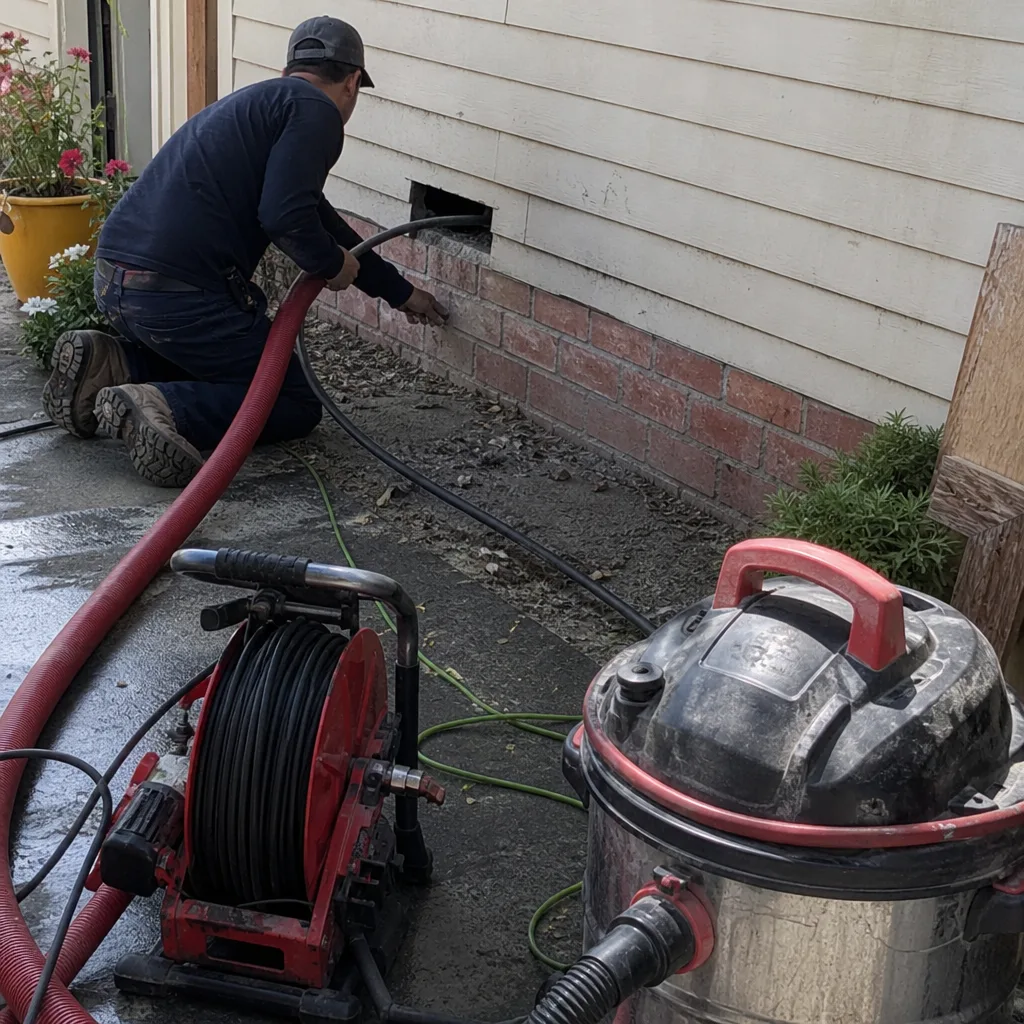 Before
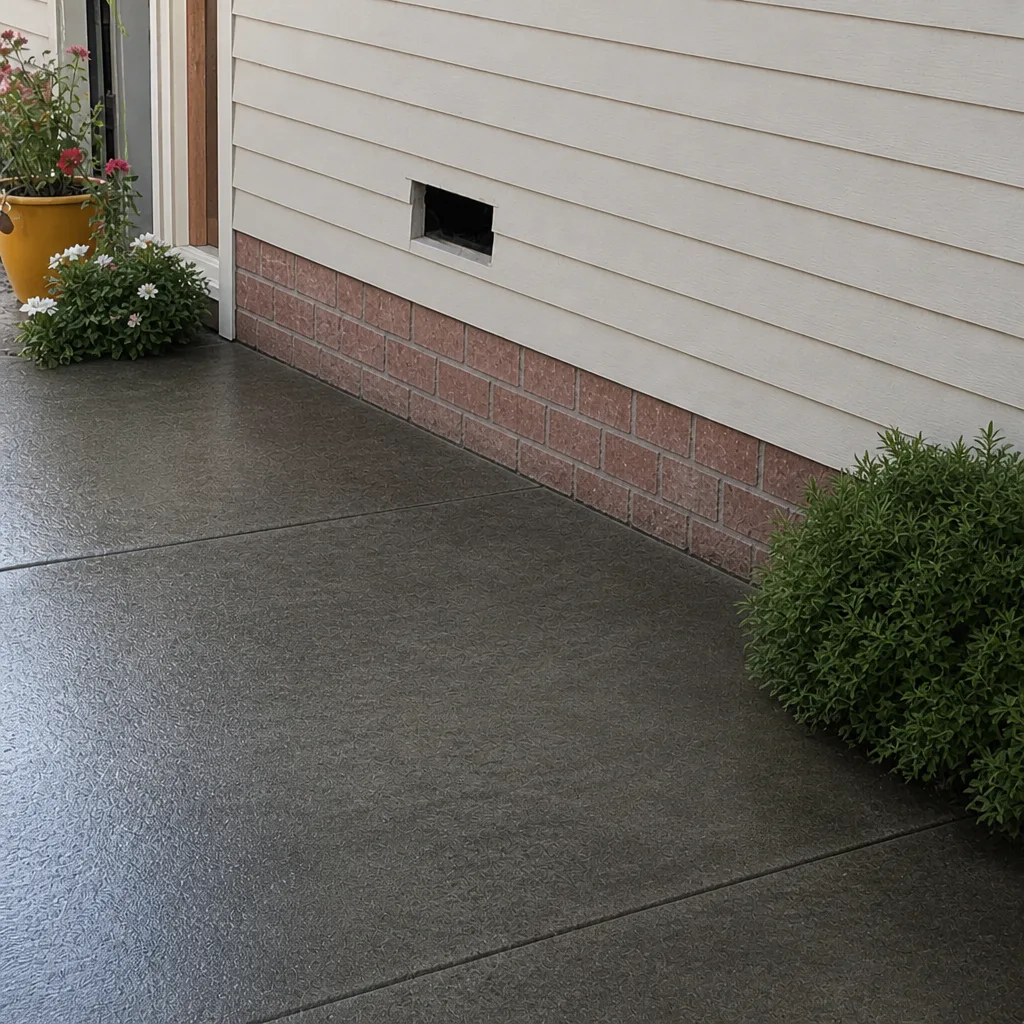 After
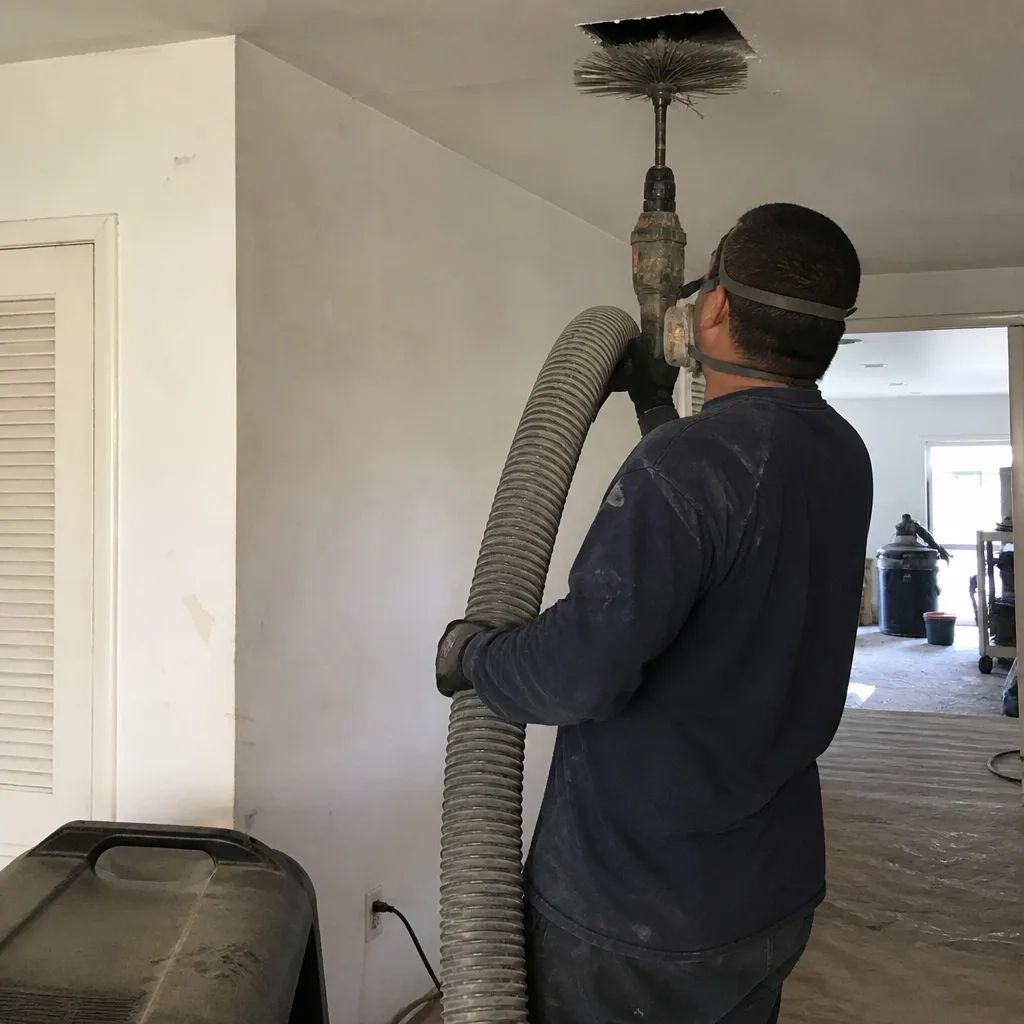 Before
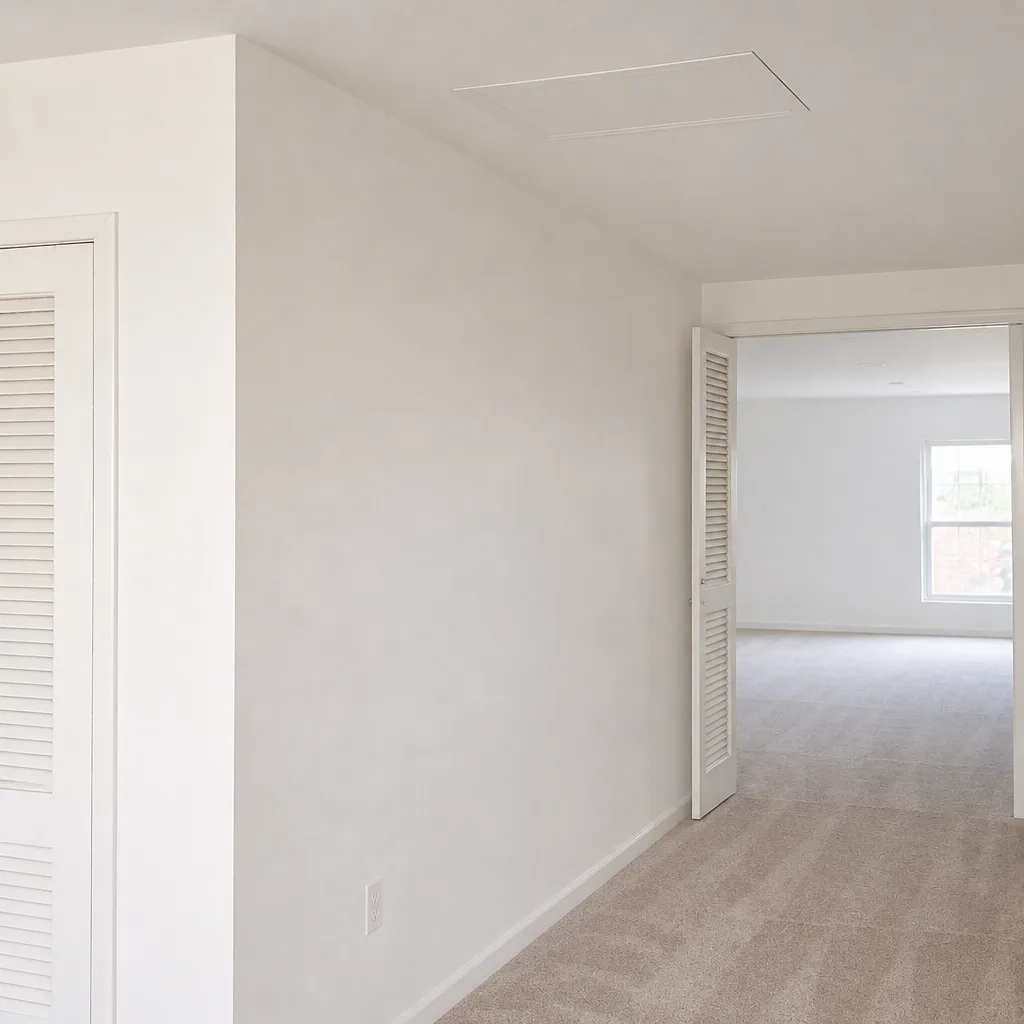 After
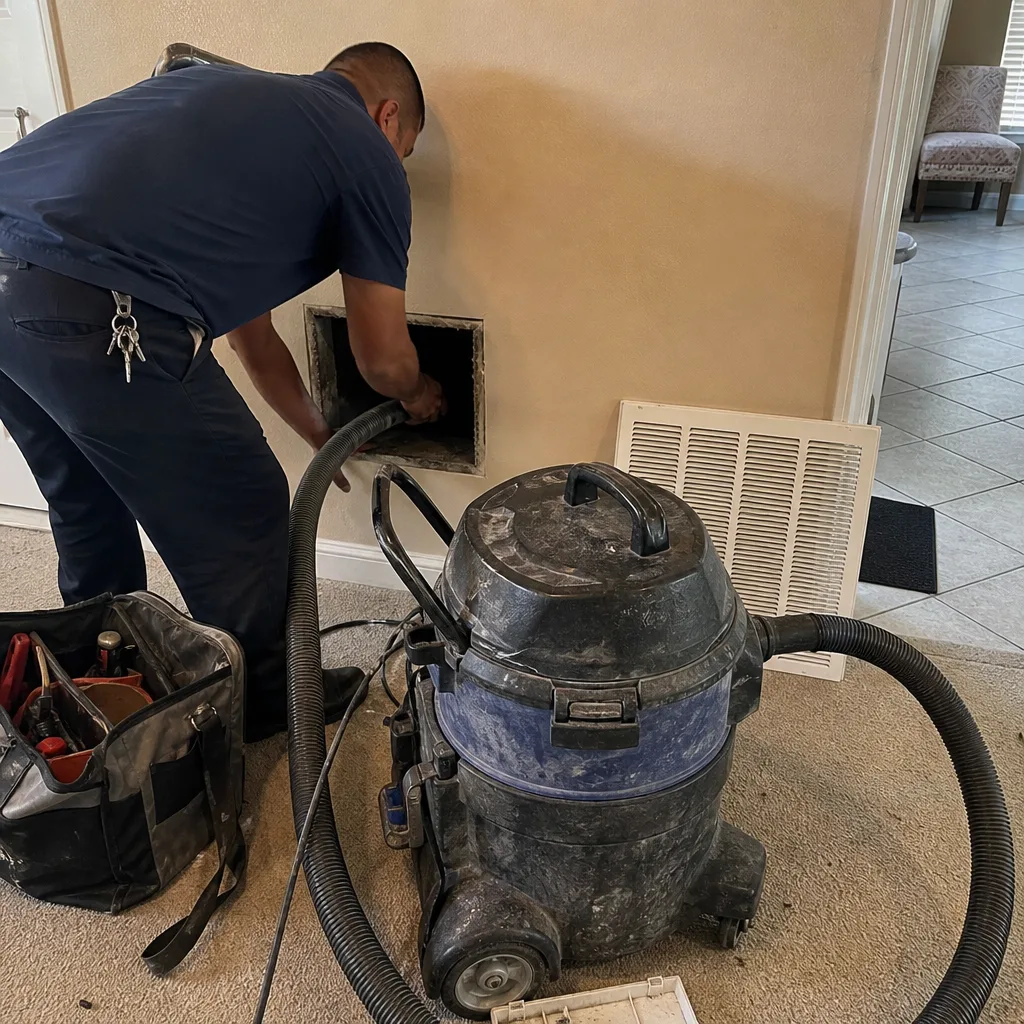 Before
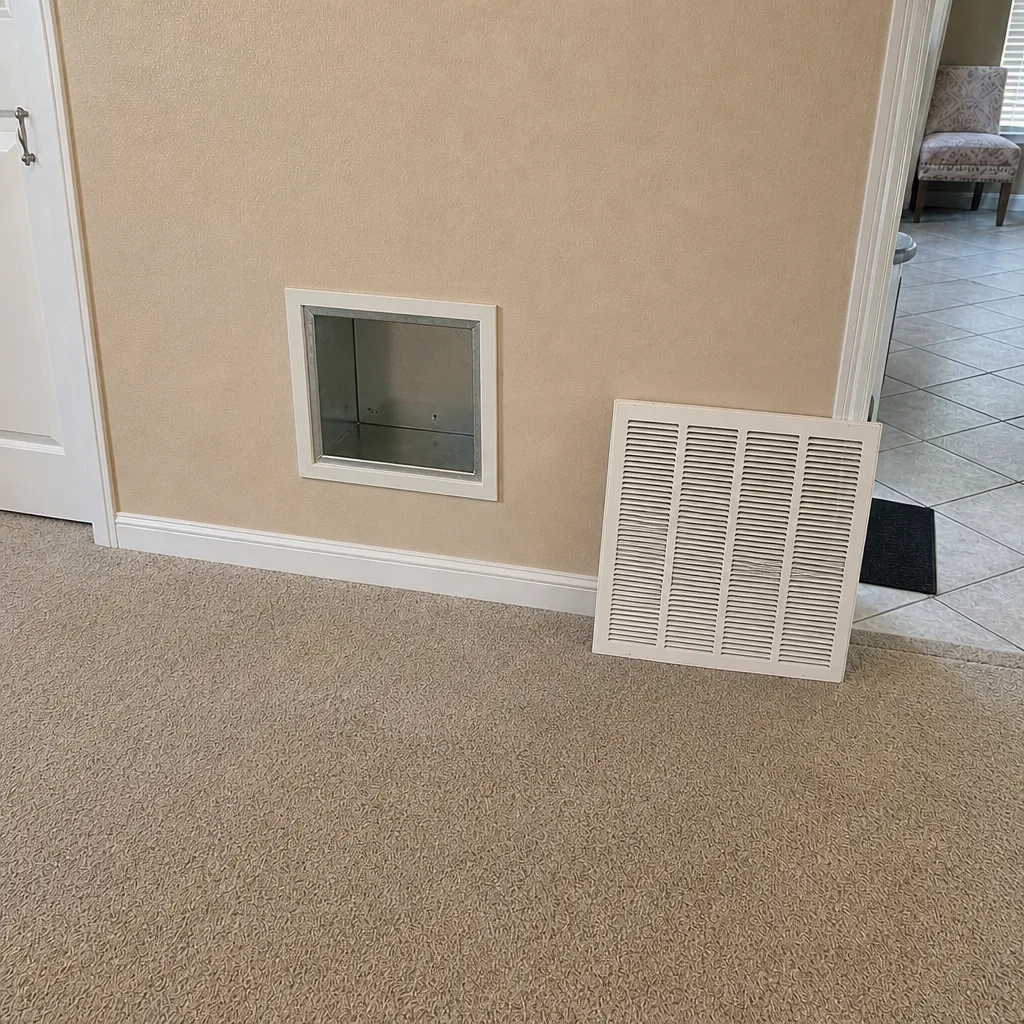 After
When to Call a Professional
Call a professional when you notice persistent dust in rooms within days of cleaning, visible dust around registers, musty or smoky odors from the vents when the fan runs, or unexplained increases in the household’s allergy-type symptoms during heating and cooling season. The same applies after a renovation, after a new HVAC install, or after a wildfire smoke season heavy enough that the fan has been running with windows closed for weeks. A professional assessment will tell you whether the system needs cleaning, repair, or both. Air Duct Cleaning Northwood offers free estimates in Northwood – call (866) 947-9073. We answer 24/7. Fast dispatch from 7am to 7pm, Sunday through Friday.
Frequently Asked Questions
Pricing is per system and depends on the number of returns and supply branches, whether the air handler and coil are included, and whether repair or sealing is needed. We don’t quote per vent, because a per-vent price encourages hitting as many registers as possible instead of cleaning the system as one loop. The written estimate sets the final price before any work begins, and the estimate itself is free. Call (866) 947-9073 for an exact quote.
Because they’re quoting a different job. Cheaper quotes typically skip the return side, the air handler, the coil, and containment, and very often don’t specify which equipment is used. A 45-minute visit and a multi-hour visit are not the same service. If two quotes are far apart, ask each contractor to list exactly what components they clean and what equipment they use. Then compare like for like. Call (866) 947-9073 for a written quote covering the whole system.
Ask for before-and-after photos of your own ducts, your own coil, and your own registers, not stock images. A technician running a rotary brush under negative pressure takes photos at each stage as part of the process; a thorough job is visible. You can also open registers yourself afterward and check the duct interior with a flashlight. If the duct walls still feel gritty, the job wasn’t finished. Call (866) 947-9073 with questions about what a complete job covers.
Most homes need it every few years, not annually, though Northwood’s wildfire smoke seasons call for more attention to the return and coil than in areas without that pattern. Homes with pets, recent renovations, or new HVAC installs often need it sooner. The best way to decide is to have the system inspected; a look inside the return and air handler will tell you more than any schedule. Call (866) 947-9073 for a free estimate.
Yes, when the cleaning includes the return side and the evaporator coil, where smoke particulate accumulates during heavy smoke seasons. Cleaning only the supply registers leaves the smoke residue in the very places that redistribute it. Cleaning, followed by whole-home filtration (Aprilaire and Honeywell product lines are compatible with most systems), is a more complete response. Call (866) 947-9073 to discuss what your system needs.
Air duct cleaning focuses on the ductwork: returns, supply branches, and registers. HVAC cleaning focuses on the air handling unit, blower, and coil. They’re related but distinct, and a complete indoor air quality job typically covers both. Most homeowners schedule them together to avoid two separate visits. Call (866) 947-9073 for a quote covering both.
The Bottom Line
Duct cleaning done right is a process, not a product, and the differences are mechanical: rotary brush agitation, negative pressure extraction, containment that protects your living space, and coverage of every component from the return to the air handler to the coil. Northwood’s dry climate and wildfire smoke seasons put particular weight on the return side and the coil. If repair or sealing is needed, handling it on the same visit keeps the cleaning from undoing itself. When you’re ready, call (866) 947-9073. We answer 24/7. Fast dispatch from 7am to 7pm, Sunday through Friday. Estimates are free.
Written by the team at Air Duct Cleaning Northwood.