
Last updated November 24, 2026
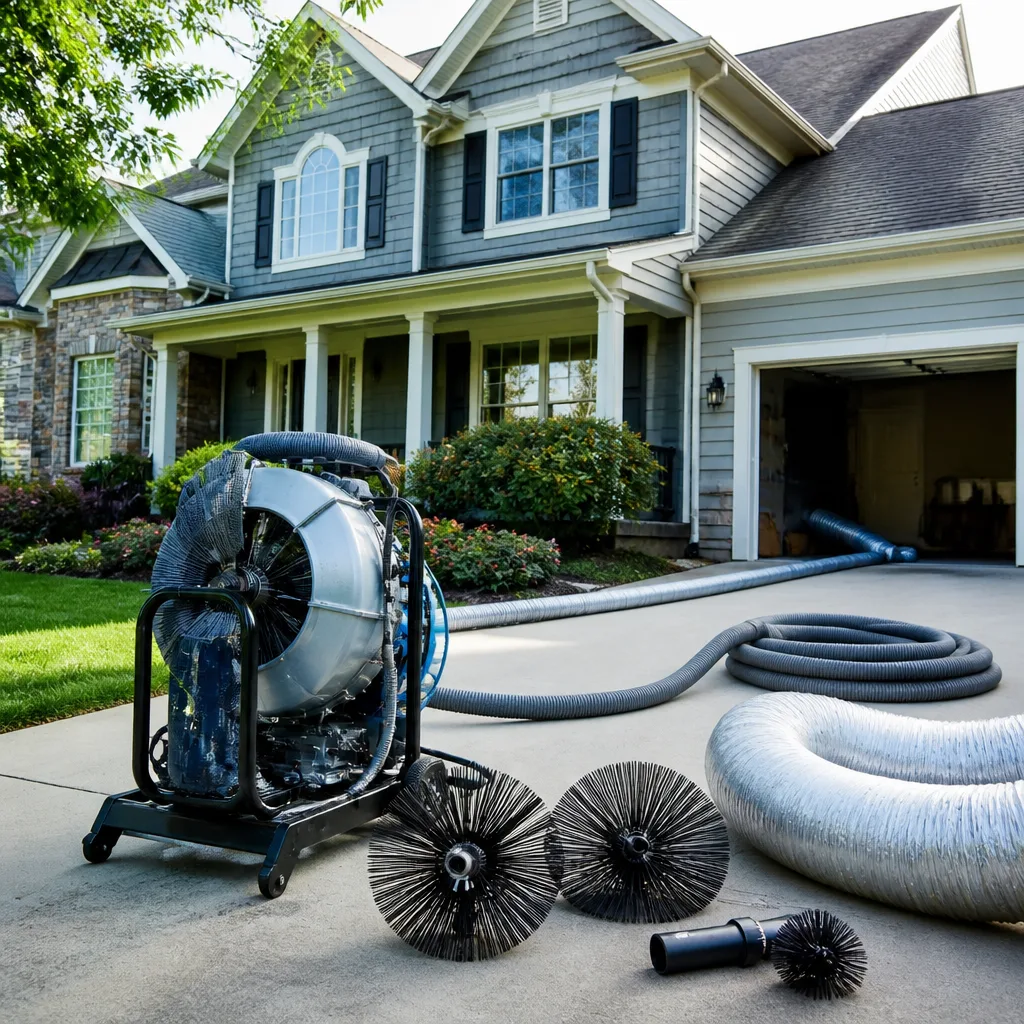 Whole-home duct cleaning
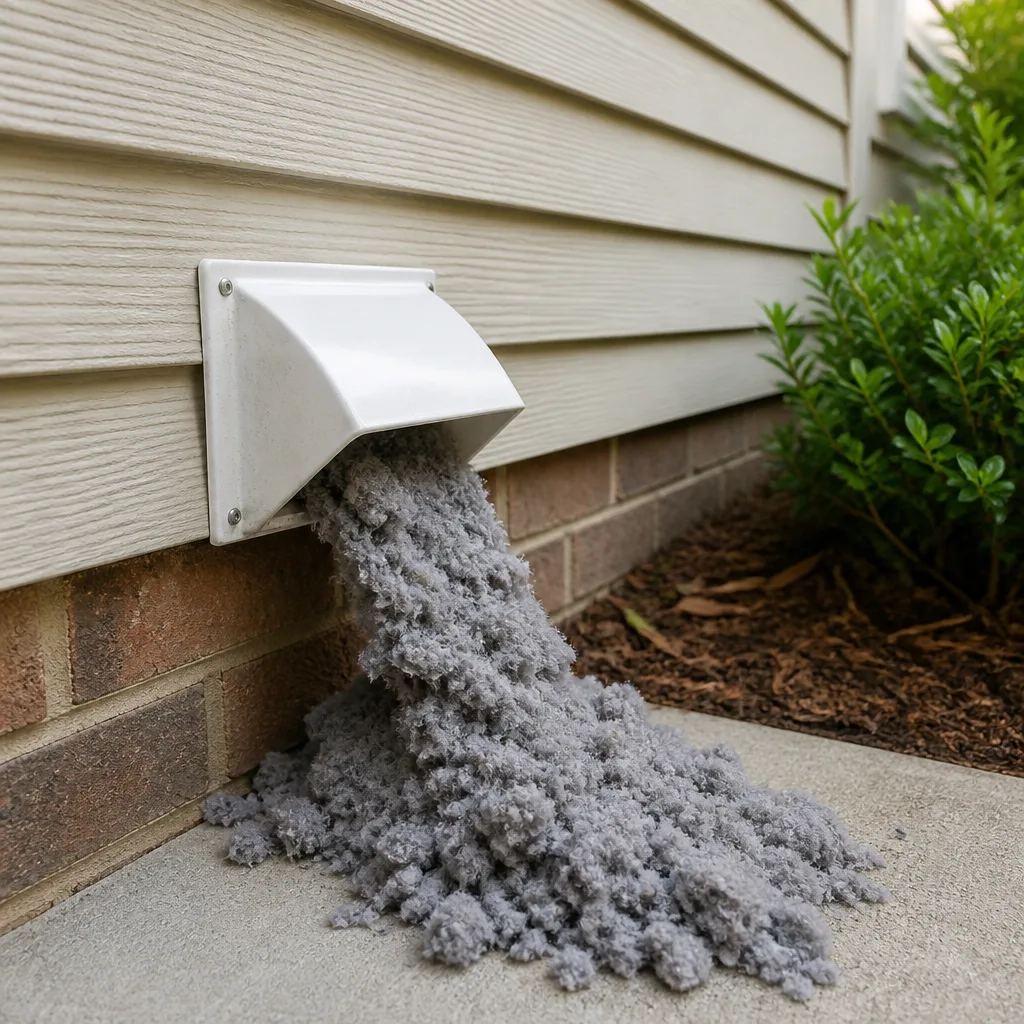 Dryer vent cleaning
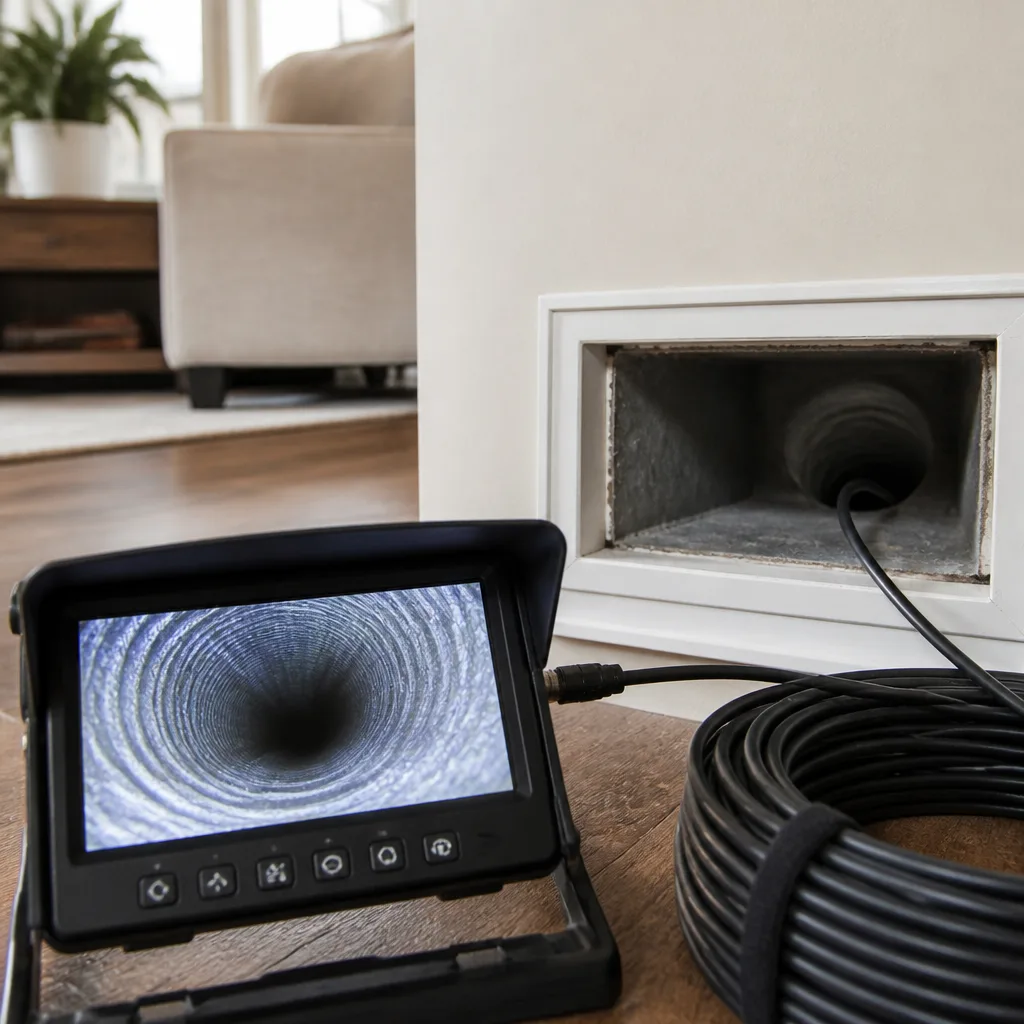 Camera inspection
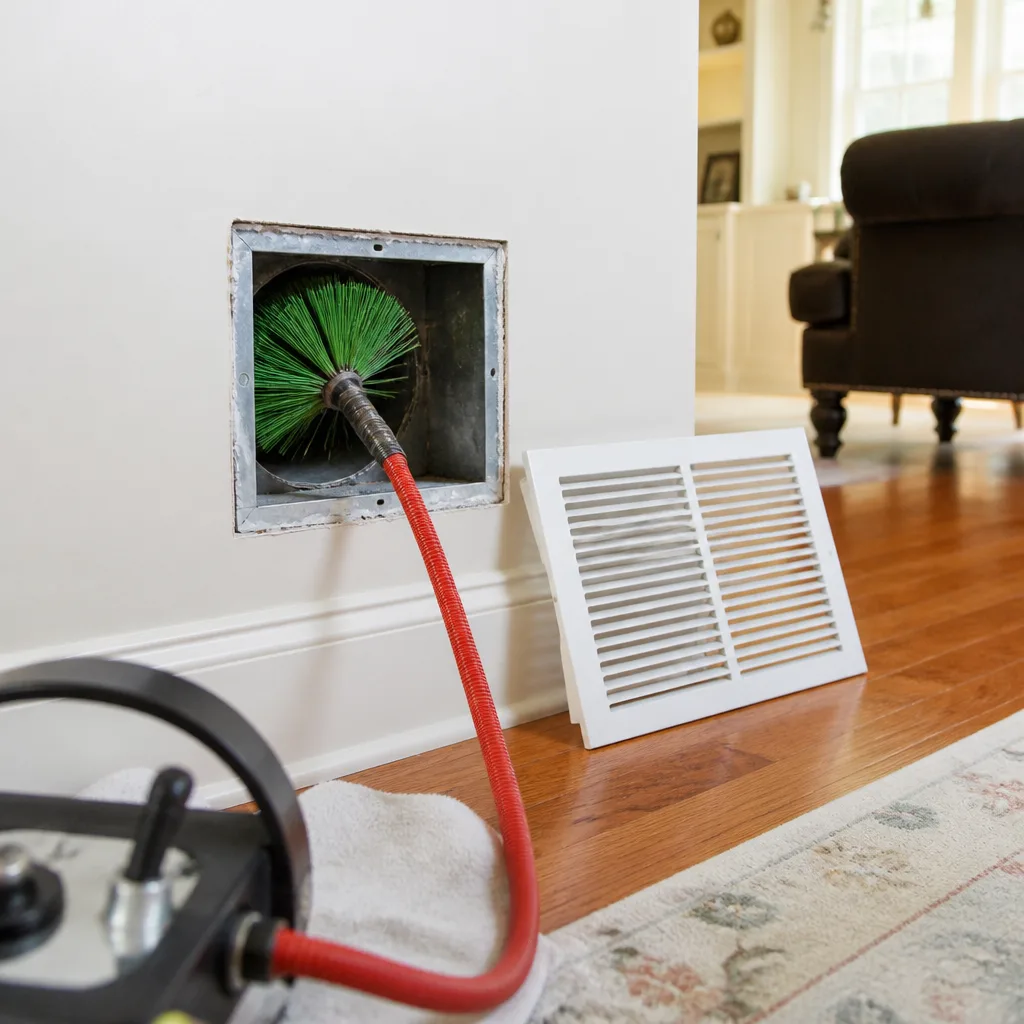 Sanitizing & deodorizing
Whole-system duct and dryer vent check with before-and-after photos - you see exactly what came out of your vents
That "$99 whole-house special" is a bait ad - the real number appears once they are in your hallway, or the "clean" is a shop-vac at the register. We photograph the inside of your ducts before and after instead.
Choosing the Right Air Duct Cleaning Brand: A Buyer’s Guide for Northwood
Five-star reviews tell you a company is pleasant to deal with. They don’t tell you whether the technician who showed up used a contact vacuum or a full negative pressure extraction system on your ducts. That gap matters more than most homeowners realize: two companies can both promise “a thorough cleaning” and use equipment that behaves nothing alike inside your walls. Choosing the right brand comes down to matching a company’s actual equipment capabilities and service scope to what your specific system needs. In this guide, we’ll show you how to evaluate duct cleaning companies in Northwood on technical merit, and which questions to ask before anyone steps into your house.
Quick Answer
The right air duct cleaning company for a Northwood home is the one that can name its equipment, explain its containment method, repair and seal compromised ductwork on the same visit, and answer all three of those questions clearly before you book. Logos and star ratings reveal very little about what actually happens inside your ductwork. Match the company’s real capabilities to your system and the decision becomes straightforward.
Styles & brands we work with
- Whole-home duct cleaning
- Dryer vent cleaning
- Camera inspection
- Sanitizing & deodorizing
Table of Contents
- Why Capability Beats Brand Recognition
- What Equipment Should a Duct Cleaning Company Own?
- Cleaning Methodology: Contact Vacuum vs. Negative Pressure
- A Full-Service Air Quality Company or a Duct Vacuuming Crew?
- What NADCA Certification Actually Covers
- How to Read Reviews for Technical Signals
- The Northwood Buyer’s Comparison Checklist
- Common Mistakes to Avoid
- When to Call a Professional
- Frequently Asked Questions
Why Capability Beats Brand Recognition
Most homeowners choose a duct cleaning company the way they choose a restaurant: by looking at the rating and the price. That works for dinner. It falls apart for air duct cleaning because the work happens inside a closed system you can’t see, and the differences between companies show up long after they’ve left your driveway.
Brand recognition in this industry is mostly a measure of marketing spend. A company can have a polished website, a fleet of wrapped vehicles, and a memorable jingle without owning a single piece of professional extraction equipment. What matters instead is capability, which comes down to three concrete things:
- What equipment the company actually owns and operates – not what it subcontracts or rents on the day.
- What its cleaning methodology is – how it dislodges debris from duct walls and what it does with that debris once it’s loose.
- What its scope includes and excludes – whether it can repair a broken duct connection found mid-job, or whether that becomes another contractor and another appointment.
In our experience in Northwood, capability is the one thing a homeowner can verify upfront if they know what to ask. You can’t inspect the inside of your ducts, but you can ask a company to name its equipment, walk you through its containment method, and list which services it handles on its own. A company with real capability answers those questions in plain terms. One without it pivots to the rating, the special, or the “trusted by thousands” line. That pivot is the clearest signal you’ll get.
Capability also matters because Northwood homes aren’t all the same. A small single-family house with short duct runs and a single central return is a different job from a recently renovated home with a new variable-speed air handler and a long trunk line to a bonus room. A company that only ever runs a vacuum hose down a register will treat both jobs identically. A company that assesses the system, adjusts its method, and can repair what it finds will treat them differently.
What Equipment Should a Duct Cleaning Company Own?
The equipment a company owns tells you the level of work it can do. Rotobrush and Nikro systems, which include rotary brush agitation combined with a high-powered vacuum, are standard in professional restoration and commercial HVAC work. They are not consumer tools. Portable shop vacuums are. When a company tells you what it brings to the job, listen for named, professional-grade systems rather than “we have a big vacuum.”
What to ask about equipment
- “What system do you use?” A professional answer names brands like Rotobrush or Nikro. A vague answer is a red flag.
- “Do you agitate the duct walls or just vacuum?” Rotary brush agitation loosens caked-on debris. A plain vacuum pulls out what’s already loose and leaves the rest.
- “What’s your containment setup?” Professional companies use negative-air equipment, such as Abatement Technologies systems, that keeps the cleaned-out debris contained and removed from the home rather than recirculating into the living area. If a company can’t explain its containment, it likely doesn’t run one.
- “How do you verify what you pulled out?” A professional company can show you what came out of your system, not a stock photo of someone else’s job.
The equipment question isn’t about brand loyalty. It’s about whether the company you’re hiring can reach the parts of a duct system that matter. A rotary brush with an attached vacuum reaches around elbows, across trunk lines, and into the return plenum that a simple hose-and-vacuum setup can’t touch. That’s the difference between a cleaning that changes what your family breathes and a cleaning that mostly changes the invoice.
Cleaning Methodology: Contact Vacuum vs. Negative Pressure
Cleaning methodology is the part of the job that determines how much actually gets cleaned and how much drifts back into your home as dust. There are two broad approaches, and they produce very different results.
Contact vacuuming
A contact vacuum uses a hose with a brush head to physically scrub duct surfaces while pulling debris into a collection point. It’s the more common method because the equipment is cheaper and easier to operate. The weak point is containment: unless the contractor pairs the contact vacuum with a full negative pressure setup, some of the dislodged debris escapes into the surrounding air during the process.
Negative pressure extraction
Negative pressure extraction uses a high-capacity vacuum to hold the entire duct system under negative pressure during the cleaning. Dislodged debris has nowhere to go but into the collection system, because the air inside the ducts is always pulling toward the vacuum, not out into your home. Professional restoration contractors use this approach because it protects occupied spaces: whatever was in the ducts comes into the vacuum and leaves through the collection system, not through the air your family is breathing in the next room.
A company with full containment capability – negative-air equipment tied to rotary brush agitation – is a step above a company with a contact vacuum alone. Ask the question directly: “During cleaning, is my duct system under negative pressure the entire time?” The answer tells you whether the company’s method is designed to protect the indoor air or just to make the ducts look cleaner when the job is done.
One more methodology detail worth asking: how does the company handle the final step of an Air Duct Cleaning Northwood job after the extraction is done? A thorough cleaning finishes with a visible check of the main trunk and registers, a look at the air handler and coil, and a conversation about what the technician observed. If a company’s process doesn’t include that closing check, the cleaning is incomplete no matter how good the vacuum is.
A Full-Service Air Quality Company or a Duct Vacuuming Crew?
There’s a structural difference between a company that only vacuums ducts and a company that handles the full indoor air quality chain. It shows up in what happens when the job reveals something the vacuum can’t fix.
What a duct vacuuming crew does
- Cleans the main runs and registers
- Removes loose debris
- Leaves the system in the same mechanical condition it arrived in
What a full-service indoor air quality company does
- Cleans ducts, dryer vent, and HVAC components, including the air handler and coil
- Repairs and seals compromised ductwork found during the job
- Recommends and installs whole-home filtration and air quality products
- Sanitizes the duct system after cleaning where it’s needed
The difference matters because most serious duct problems aren’t just dirty surfaces. Loose duct joints, disconnected flex runs, and failed sealant allow conditioned air to leak into unconditioned space and pull contaminants back in. If a company only vacuums, it cleans the ducts and then leaves the gaps that undo the cleaning almost immediately. A full-service company that repairs and seals compromised ductwork on the same visit closes the loop, which is why we see repair and sealing as a core service rather than an add-on.
The scope question also signals expertise. A company that can talk through the difference between a standard filter and an upgraded whole-home filtration system, or explain how a dehumidifier fits into a Northwood home’s humidity pattern, is showing you it understands air quality as a system. A company that only quotes duct cleaning has nothing to say on those topics because it hasn’t built the capability. Same-location review counts and price coupons tell you nothing about which of these a company is; the service list does.
What NADCA Certification Actually Covers
NADCA, the National Air Duct Cleaners Association, sets the industry’s recognized standard for how duct cleaning should be performed. A NADCA-certified company has met the association’s requirements for assessment, cleaning methodology, and source removal of contaminants from HVAC systems. The certification is a meaningful signal: it tells you the company has committed to a recognized standard rather than inventing its own.
What certification does not cover is just as important. NADCA doesn’t certify the equipment a company owns, guarantee that the equipment is professional-grade, or verify that the company has duct repair and sealing in-house. It also doesn’t test technical proficiency on any specific system found in a Northwood home. A company can be NADCA-certified and still subcontract its repair work, or operate with a contact vacuum rather than full negative pressure containment. Certification tells you the company follows a standard; it doesn’t tell you the depth of its capability.
In practice, this means NADCA is one layer of evaluation, not the whole test. Ask about it, and use it alongside the equipment and scope questions. A NADCA-certified company with Rotobrush or Nikro equipment, negative-air containment, and in-house repair capability is a stronger pick than a NADCA-certified company that only vacuums. A company without certification but with all of those capabilities in-house deserves a conversation. The certification is worth checking; it’s not worth weighting above the actual work.
Practical tip: NADCA maintains a public member directory you can check yourself before a company visits. If a company claims certification, verifying it takes a couple of minutes. This is the kind of low-effort, high-signal check most buyers skip.
How to Read Reviews for Technical Signals
Generic five-star reviews say the company was pleasant, on time, and didn’t leave a mess. Those are real signals but weak ones. What you’re looking for are reviews that describe what the technician actually did to the system. A review that mentions “they repaired the duct connection behind the air handler while they were here” is worth more than ten reviews that say “great job, would hire again.”
Here’s what to scan for in reviews:
- Named equipment or process – reviewers who mention rotary brush cleaning, negative pressure, or containment show that a technician walked them through the method.
- Follow-on work performed – reviews that describe repair, sealing, sanitizing, or product recommendations suggest the company has real scope.
- Before-and-after evidence – a reviewer who mentions seeing photos or video of the ducts before and after is describing a company that documents its work, which is a good sign.
- What happened when something went wrong – reviews that describe a company resolving a problem without defensiveness are worth reading twice. Anyone can look good on an easy job.
Look past reviews that are suspiciously uniform. Real customers notice different parts of the job. If every review reads like a marketing sentence, that tells you something too. In our experience, the most useful reviews for a Northwood homeowner mention specifics: the state of the ducts before the cleaning, what the technician found, and how long the job took. Those details are hard to fake.
The Northwood Buyer’s Comparison Checklist
Bring this list to each quote you get. The company that answers all of it on the record, without hedging, has earned a stronger position on your shortlist than a company with a bigger ad budget and a lower teaser price.
Run these questions across every quote
- Equipment. What duct cleaning system do you use? Can you name it? (Rotobrush, Nikro, or another professional line means something concrete.)
- Containment. Do you use negative air pressure and containment equipment during cleaning? How does it work?
- Scope. Do you handle duct repair and sealing in-house if you find compromised ductwork? What about dryer vent cleaning and HVAC cleaning?
- Assessment. Will you inspect the ducts before quoting, or quote from the phone?
- Verification. Can I see before-and-after photos or video of my own system after the cleaning?
- Sanitizing. Do you offer follow-up sanitizing after cleaning, and what product do you use?
- Air quality follow-through. Are you familiar with whole-home filtration and air quality product lines? (Aprilaire and Honeywell are the brands most worth asking about.)
- Price structure. Is the price per system or per register? A flat price per system is a stronger commitment than a per-vent quote.
- Documentation. Do I get anything in writing describing the work performed?
Most of these can be answered in five minutes on the phone. If a company can answer the first three confidently, you’re talking to a serious operator. If they can’t answer the first two, the rest of the conversation doesn’t matter much.
Once you’ve compared quotes, the related services matter beyond the duct cleaning itself. If your system needs dryer vent cleaning as well, or the air handler and coil could use a pass, asking whether a company handles those under the same visit saves a second appointment and gives you a single point of responsibility. We see this especially in Northwood homes where ductwork runs close to the dryer vent, or where the air handler hasn’t been opened in a while.
Common Mistakes to Avoid
- Choosing on price coupon alone. A teaser price is a marketing decision, not a technical one. Ask what’s actually included at that price, and what gets charged as an add-on once the technician is there.
- Skipping the containment question. If a company can’t explain how it keeps dislodged debris from recirculating into the home, assume it doesn’t have a real containment process. That’s the difference between a cleaning and a dust event.
- Taking a “duct cleaning and sanitizing” bundle without asking about both. Sanitizing after cleaning is a separate step, and it works differently from cleaning. Ask what product is used and whether the ducts are fully dry before treatment.
- Not checking whether repair is in-house. If the company subcontracts duct repair to another contractor, you’re now coordinating two businesses and two schedules for a job that should be one visit.
- Assuming a five-star average means technical proficiency. Read the reviews for specificity. If nobody mentions equipment, process, or a before-and-after check, the reviews aren’t telling you anything about the work.
- Booking duct cleaning for a system that also needs HVAC and dryer vent service. In Northwood, we see plenty of homes where all three need attention in the same year. Booking them separately means three visits, three assessments, and three chances to get a different answer on the same system.
- Ignoring the “what did you actually clean” question. A company that summarizes what it found and shows you photos of your own ducts is the one you want if something goes wrong later.
When to Call a Professional
Some signs should prompt a call sooner than others. If anyone in your home has developed new allergy-like symptoms that seem tied to the HVAC system, if you’ve just finished a renovation that generated dust, if you’ve moved into a Northwood home you don’t know the duct history of, or if you’ve noticed visible dust collecting at registers faster than it used to, those are all reasons to get an assessment. A recently installed HVAC system is another good moment to have the ducts checked, especially if the old system’s ductwork stayed in place. If your dryer is taking noticeably longer to dry a load, that’s a separate signal that dryer vent cleaning is due. Air Duct Cleaning Northwood offers free estimates in Northwood – call (866) 947-9073. We answer 24/7, and we dispatch technicians from 7am to 7pm, Sunday through Friday.
Frequently Asked Questions
A professional-grade cleaning system (Rotobrush, Nikro, or a comparable professional line), negative-air containment during the job, and in-house capability for duct repair and sealing. Those three checks tell you more about a company’s work than its star rating does.
No. NADCA certification confirms the company follows a recognized industry standard for how duct cleaning should be performed, but it doesn’t verify the equipment the company owns or whether repair and sealing are handled in-house. Ask the equipment and scope questions separately.
Look for reviews that mention specific process details – equipment names, containment, a before-and-after check, or repair work done during the visit. Those details are hard to fake and they show the technician explained the method. Generic “great job” reviews don’t tell you much about the technique used.
Negative pressure extraction keeps the duct system under vacuum during cleaning, so dislodged debris has nowhere to go but into the collection system. Contact vacuuming without containment can release some debris back into the room air during the job. If you’re sensitive to dust or have respiratory concerns in the household, this is the question to ask first.
Usually yes, if the ducts show any signs of leaks or failed seals. A vacuuming crew cleans the ducts; a full-service company cleans them, repairs what it finds, and can add sanitizing or filtration if the system needs it. The repair step is often what makes the cleaning stick. If you’d like a walkthrough of what your system actually needs, HVAC cleaning is a good conversation to have alongside the duct work.
Honest estimates vary because system size, accessibility, and condition vary. Ask every company the same questions with the checklist above, and ask for a flat price per system rather than a per-register price – that way you know what you’re paying before anyone starts. Call (866) 947-9073 for an exact quote. Estimates are free.
Not always, but it’s worth an assessment if you’ve had a renovation, a new HVAC install, or years without a check. Ducts can hold settled debris that doesn’t show up at registers. A technician inspecting the system will tell you whether cleaning is actually called for.
See the difference
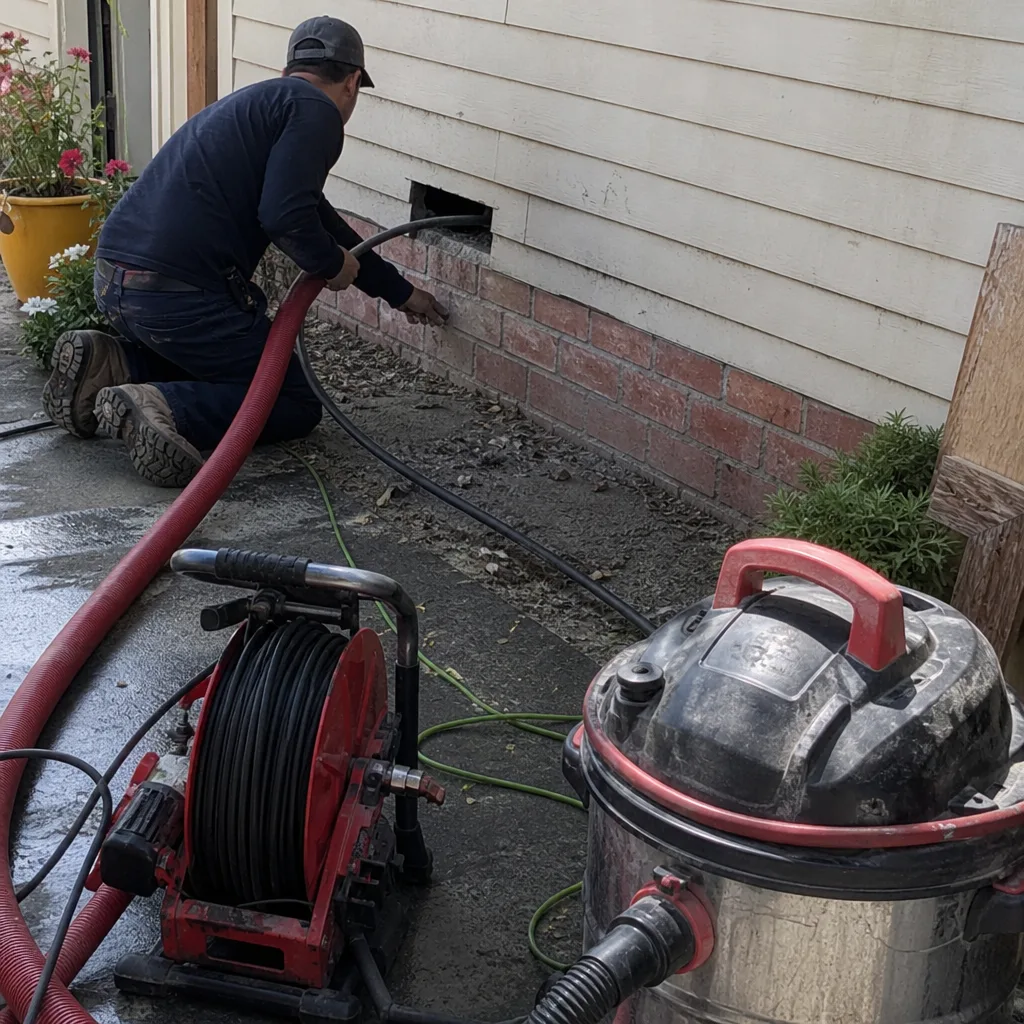 Before
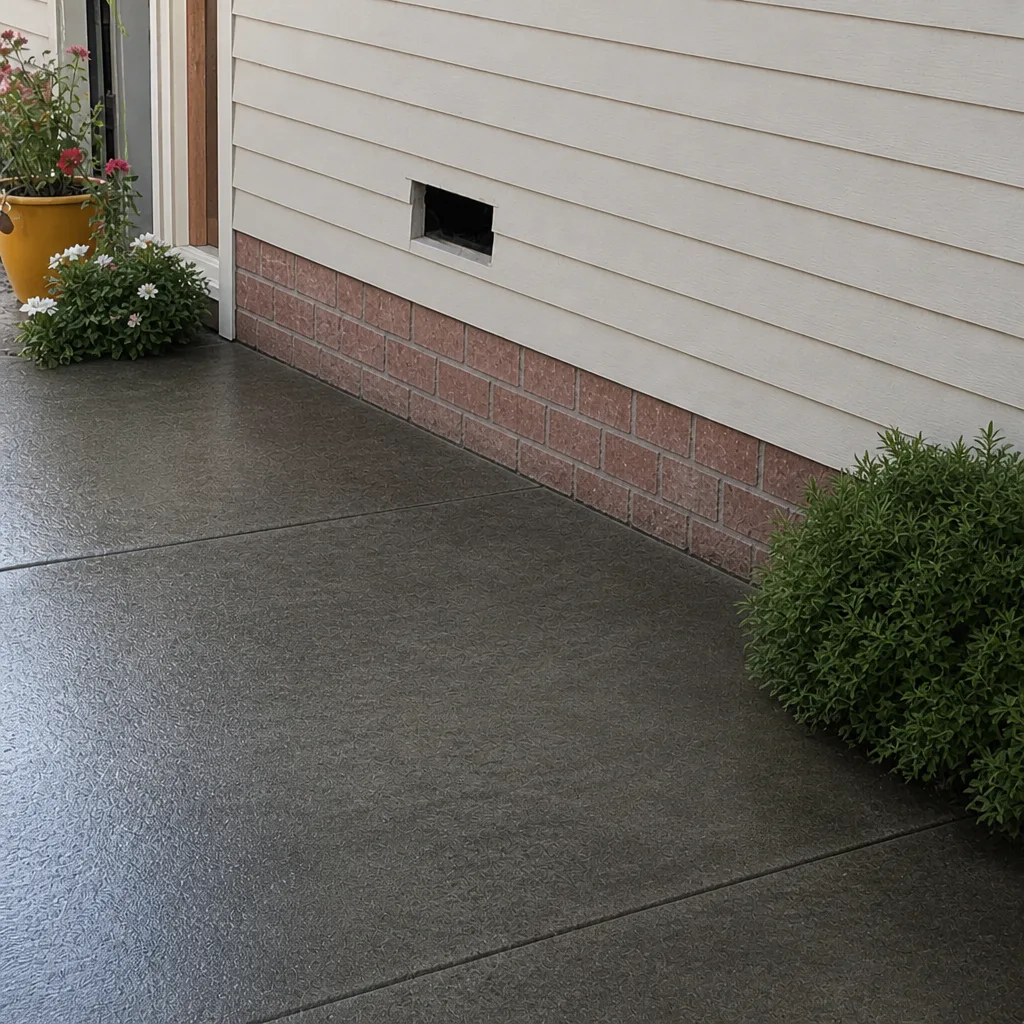 After
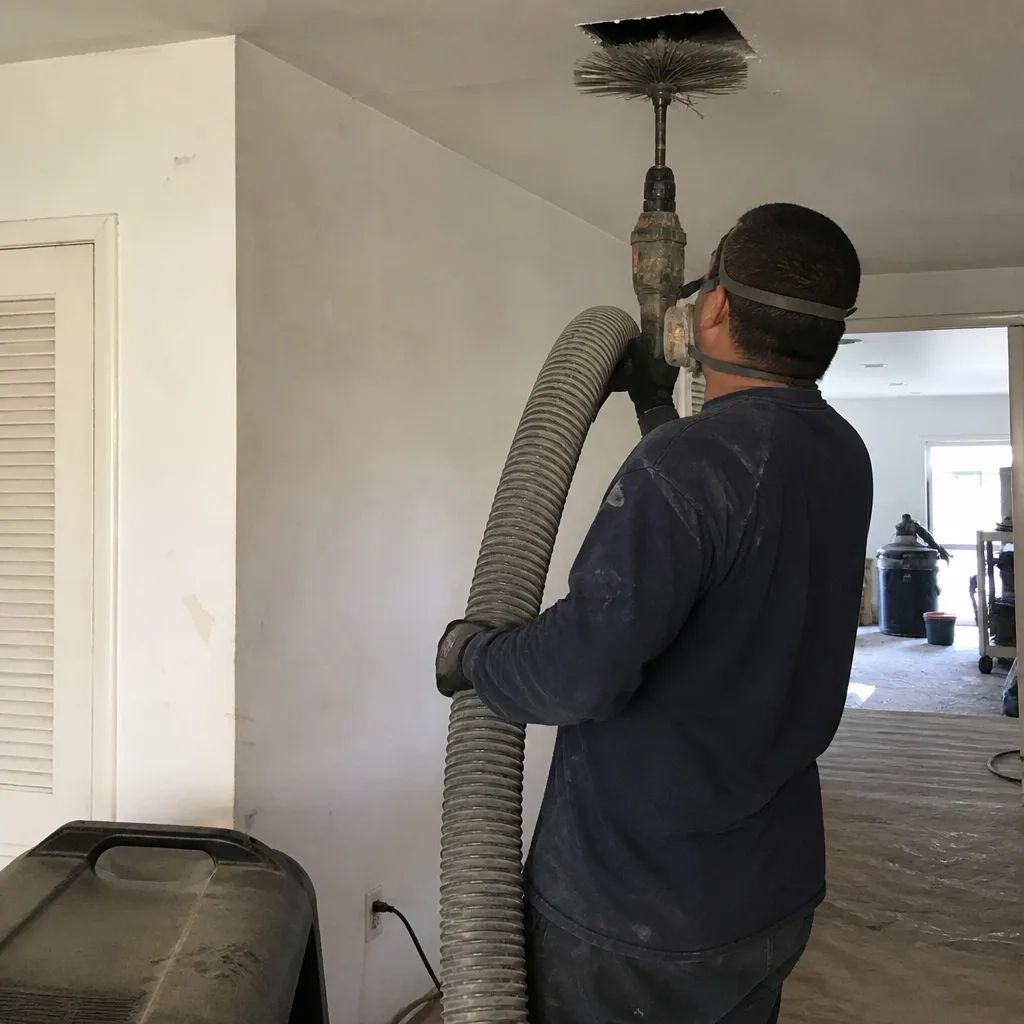 Before
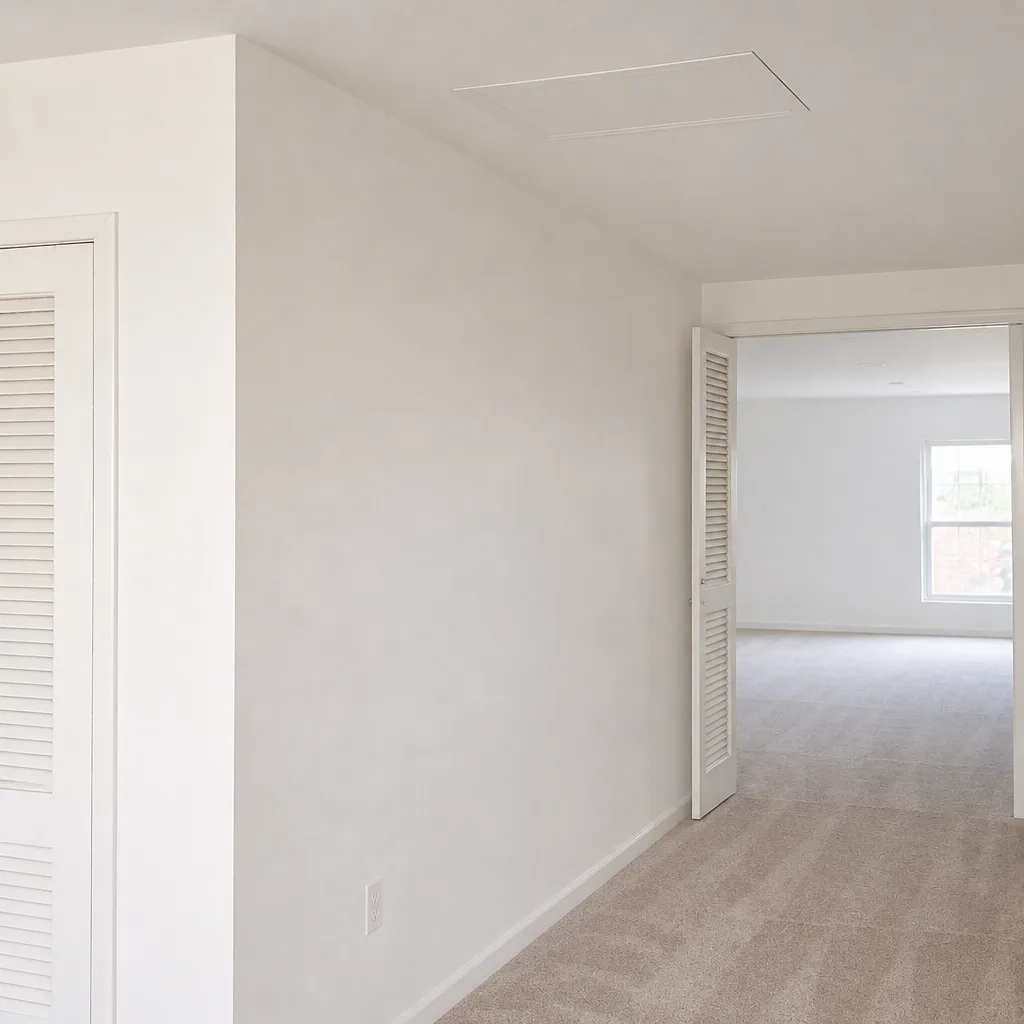 After
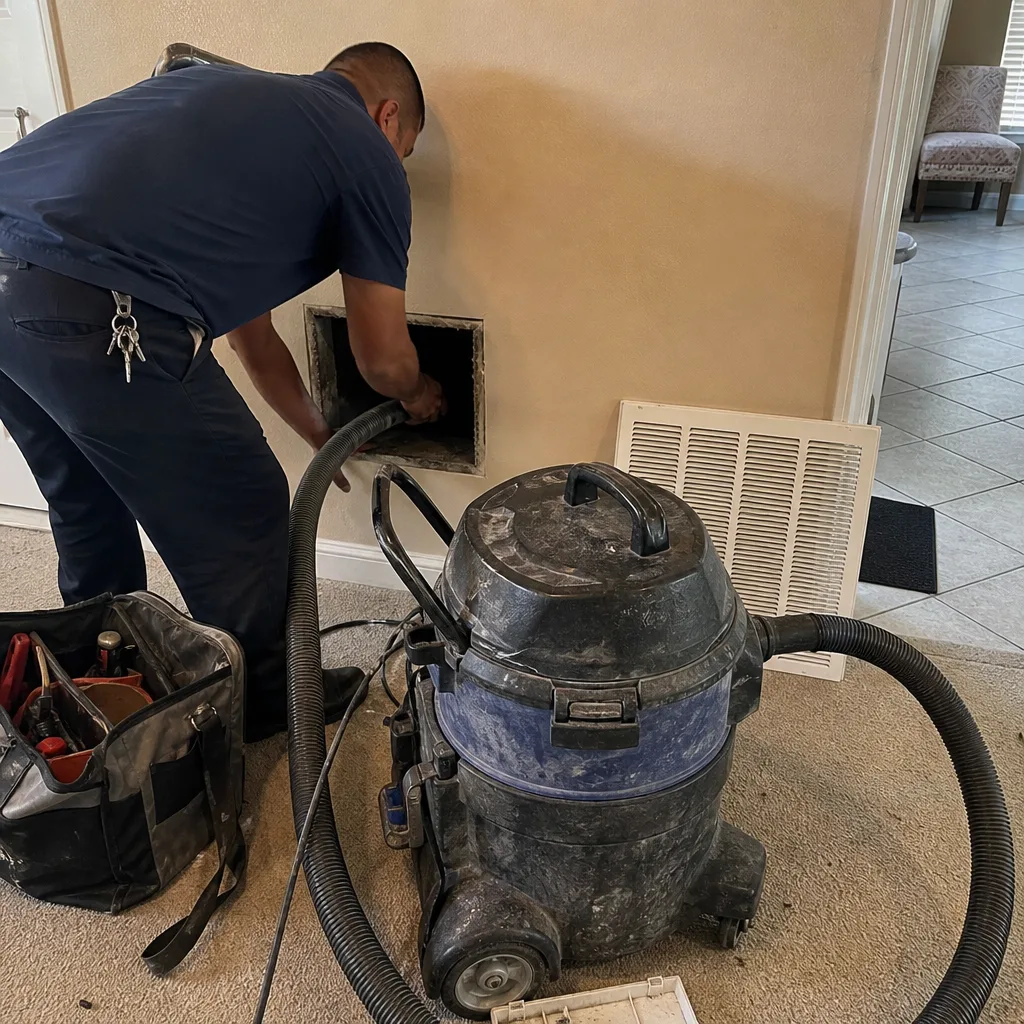 Before
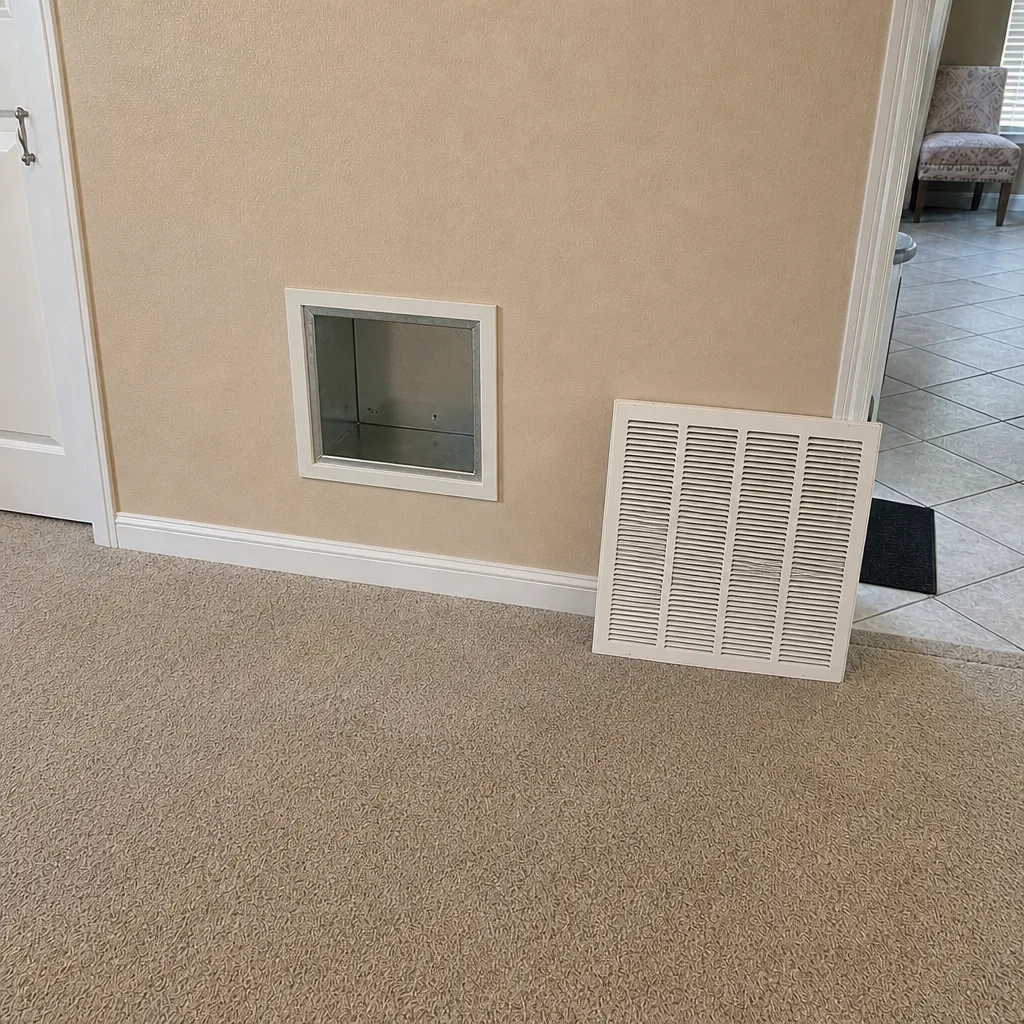 After
The Bottom Line
Choosing the right duct cleaning brand in Northwood isn’t about picking the biggest name or the lowest coupon. It’s about verifying what the company actually brings to your house: professional-grade equipment like Rotobrush or Nikro, negative-air containment that keeps dislodged debris out of your living space, and in-house capability for repair, sealing, and sanitizing so the job stays whole from start to finish. Use the checklist. Ask the questions on the phone. Read reviews for process, not politeness. Then pick the company that answers all of it clearly, and you’ll be booking the right one the first time.
Frequently Asked Questions
Pricing depends on system size, accessibility, and condition, and the written estimate is the final word. We recommend asking every company for a flat price per system rather than a per-vent price, so you know the total before the work starts. Call (866) 947-9073 for an exact quote. Estimates are free.
Low quotes usually reflect narrower scope or lighter equipment. A teaser price often covers only contact vacuuming of accessible runs, with add-ons for repair, sealing, or sanitizing once the technician is on site. Ask what’s included at the quoted price and what’s charged separately. Call (866) 947-9073 for a clear quote covering what your system actually needs.
Ask for before-and-after photos of your own system, and a written summary of what the technician found and cleaned. A company that documents its work is a company that expects to be checked. To schedule a documented cleaning, call (866) 947-9073.
Most homes don’t need it on a strict schedule. Reasonable triggers are a renovation, a new HVAC install, ongoing allergy issues, or several years since the last cleaning. Have the system assessed and let the condition drive the answer. Call (866) 947-9073 to book an assessment.
A shop vac pulls loose debris from the first few feet of a duct; a professional rotary brush and high-power vacuum system agitates the full duct surface and extracts it under containment. The two aren’t the same job. Ask what system the company uses before booking.
Yes. We handle air duct cleaning, dryer vent cleaning, HVAC cleaning, duct repair and sealing, and air quality and sanitizing as a single service. That means one company, one visit schedule, and one point of responsibility. Call (866) 947-9073 for a free estimate. We answer 24/7, and we dispatch technicians from 7am to 7pm, Sunday through Friday.
Written by the team at Air Duct Cleaning Northwood.